
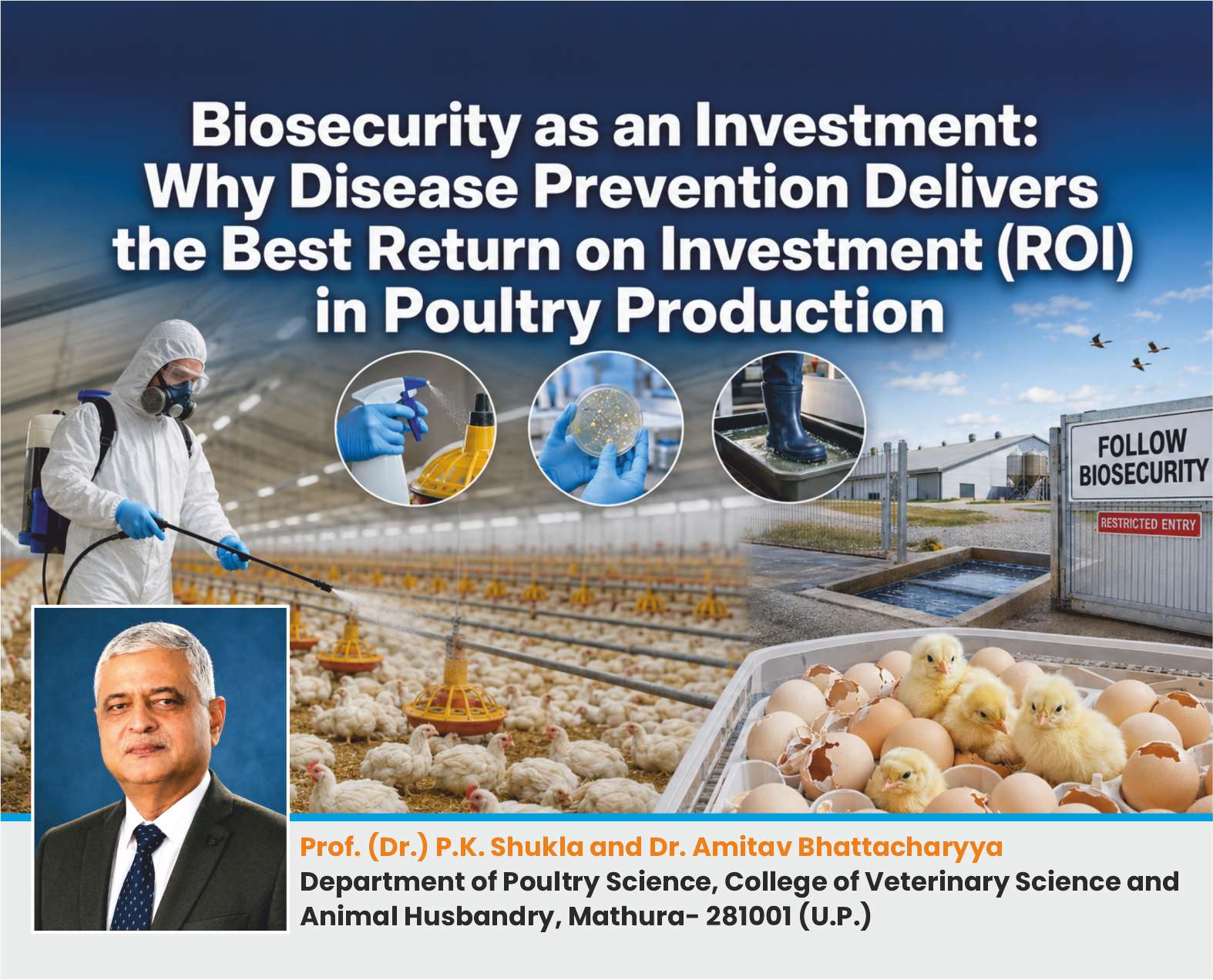

Biosecurity as an Investment: Why Disease Prevention delivers the Best Return on Investment (ROI) in Poultry Production
Prof. (Dr.) P.K. Shukla and Dr. Amitav Bhattacharyya
Department of Poultry Science, College of Veterinary Science and
Animal Husbandry, Mathura- 281001 (U.P.)
Introduction
Over the last five decades, the poultry industry has undergone a remarkable transformation. Scientific advances in genetics, nutrition, housing, disease control, and management have enabled producers to achieve unprecedented levels of productivity. Poultry meat and eggs have become among the most affordable and nutritious sources of animal protein, making the industry indispensable for global food and nutritional security. In India, poultry production has developed into an important agribusiness sector, generating employment for millions of people while supporting allied industries such as hatcheries, feed manufacturing, pharmaceuticals, processing, transportation, and retail.
Despite these achievements, infectious diseases remain one of the greatest constraints to sustainable poultry production. Diseases such as avian influenza, Newcastle disease, infectious bronchitis, infectious bursal disease, Marek’s disease, coccidiosis, salmonellosis, and mycoplasmosis continue to cause substantial economic losses. These diseases not only reduce flock productivity but also affect food safety, consumer confidence, international trade, and public health.
Under modern intensive production systems, disease outbreaks spread rapidly because of high stocking densities, frequent movement of birds and equipment, and increasing interactions among farms. Once pathogens establish themselves within a flock, economic losses accumulate through mortality, reduced growth, poor feed conversion, lower egg production, treatment expenses, and market disruptions. Consequently, preventing disease introduction is far more economical than managing disease after it has occurred.
Biosecurity has therefore become the foundation of modern poultry health management. It is no longer viewed merely as a collection of hygiene practices but as a comprehensive risk management strategy designed to prevent disease while maximizing productivity and profitability.
Economic Impact of Poultry Diseases
The financial consequences of poultry diseases extend far beyond mortality alone. Disease outbreaks affect every component of the production chain, from breeder farms and hatcheries to processing plants, retailers, and consumers.
Direct economic losses include increased mortality, poor weight gain, reduced egg production, inferior feed conversion efficiency, decreased hatchability, veterinary expenses, medication costs, diagnostic testing, and emergency vaccination programmes. Even mild infections that do not cause obvious mortality often reduce flock performance sufficiently to eliminate expected profit margins.
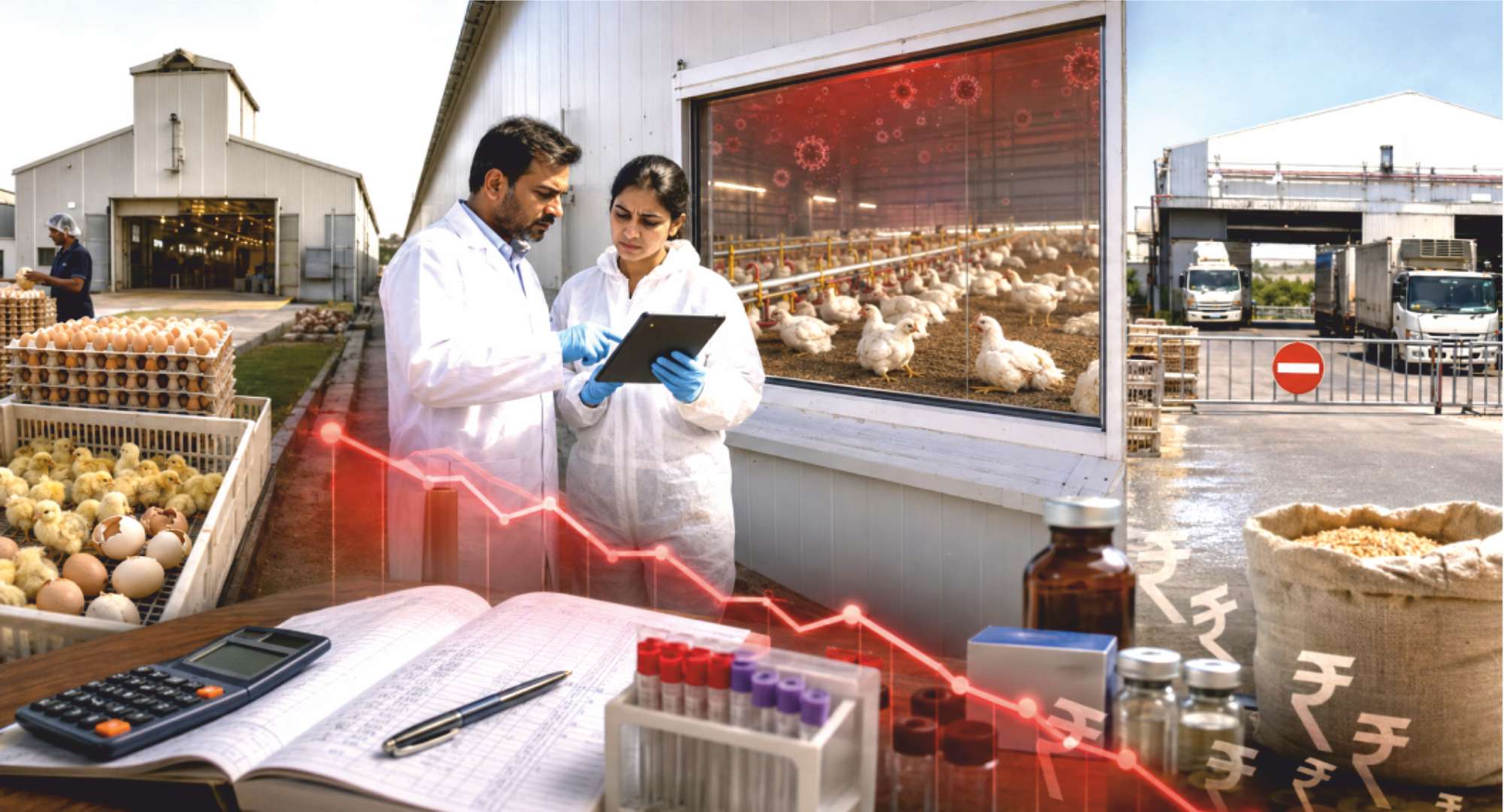
Indirect losses are frequently even greater. Disease outbreaks can result in movement restrictions, export bans, lower consumer demand, reduced processing efficiency, insurance costs, and disruption of supply chains. Highly pathogenic avian influenza has repeatedly demonstrated how a single outbreak can result in massive financial losses through depopulation, compensation payments, and trade restrictions.
Equally damaging are the hidden costs associated with subclinical infections. Chronic disease reduces flock uniformity, suppresses immune responses, increases susceptibility to secondary infections, and diminishes reproductive performance without producing dramatic clinical signs. Such losses often remain unnoticed but continuously erode farm profitability.
These economic realities highlight an important principle: disease prevention should not be regarded solely as a veterinary responsibility but as an essential business strategy that protects investments in chicks, feed, labour, housing, equipment, and marketing.
Prevention Versus Treatment: The Economics of Biosecurity
The principle that “prevention is better than cure” has special relevance in commercial poultry production. Intensive poultry systems house thousands of genetically similar birds in close proximity, allowing infectious agents to spread extremely rapidly once introduced.
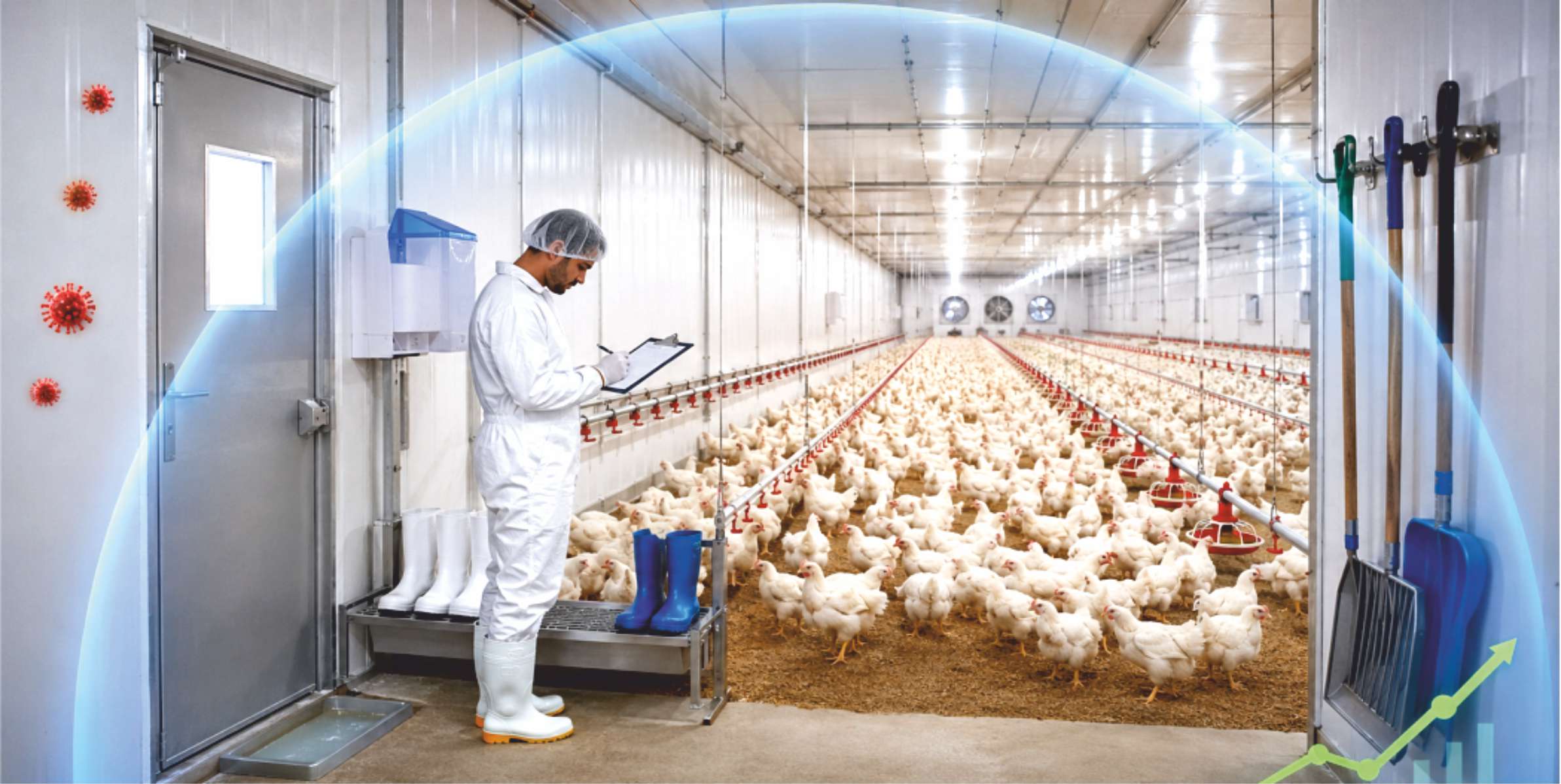
By the time clinical signs become evident, pathogens have often multiplied extensively within the flock and contaminated the surrounding environment. Even if treatment successfully controls mortality, birds rarely regain their original production potential. Reduced feed efficiency, slower growth, delayed marketing age, poor egg production, and increased susceptibility to secondary infections frequently persist throughout the production cycle.
Treatment also involves considerable expenditure on antibiotics, supportive medications, laboratory investigations, veterinary consultation, and labour. These costs are incurred after production losses have already begun, thereby reducing overall profitability.
Biosecurity interrupts pathogen transmission before infection becomes established. Investments in perimeter fencing, controlled farm access, sanitation, water treatment, pest management, employee training, and visitor control substantially reduce the probability of disease introduction. Unlike treatment costs, preventive investments continue generating economic returns throughout successive production cycles by maintaining flock health and preserving production efficiency.
Numerous studies have shown that the cost of implementing effective biosecurity programmes is significantly lower than the cumulative losses associated with disease outbreaks. Consequently, biosecurity functions as a form of biological insurance that safeguards every other investment made in poultry production.
Principles of Poultry Biosecurity
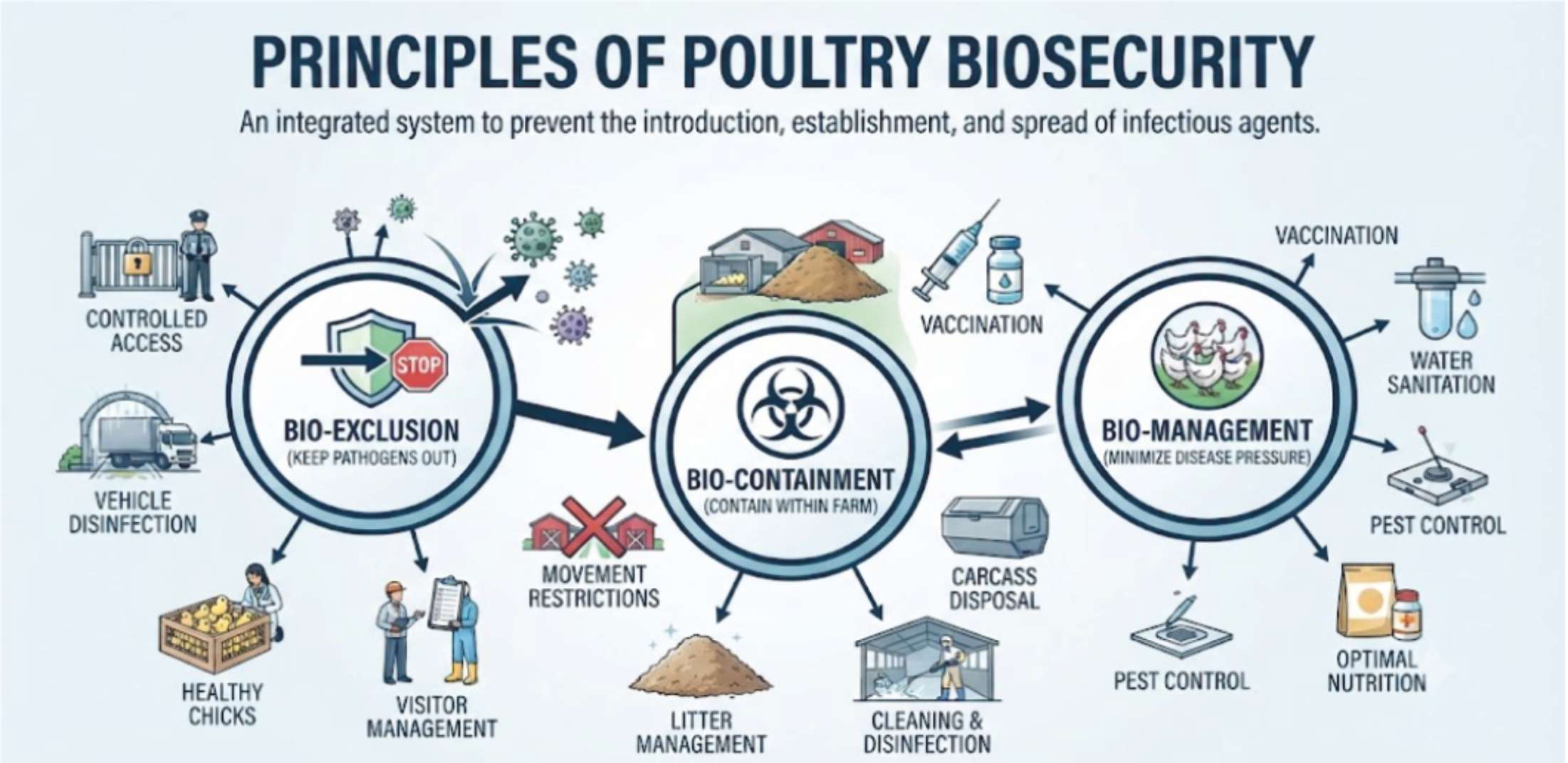
Biosecurity is a science-based management system aimed at preventing the introduction, establishment, and spread of infectious agents. Effective biosecurity requires an integrated approach involving infrastructure, operational procedures, personnel behaviour, environmental sanitation, and continuous monitoring.
Three fundamental principles form the basis of poultry biosecurity:
Bio-exclusion focuses on preventing pathogens from entering the farm through controlled access, procurement of healthy chicks, vehicle disinfection, quarantine, and visitor management.
Bio-containment prevents infectious agents from spreading outside infected premises by implementing movement restrictions, proper disposal of carcasses and litter, and thorough cleaning and disinfection.
Bio-management minimizes disease pressure within the farm through vaccination, optimal nutrition, environmental management, pest control, water sanitation, litter management, and animal welfare practices.
Farm design also plays an important role in disease prevention. Poultry farms should be located away from other commercial farms, live bird markets, and migratory bird habitats. Clearly defined clean and dirty zones, all-in/all-out production systems, and adequate downtime between flocks reduce pathogen survival and transmission.
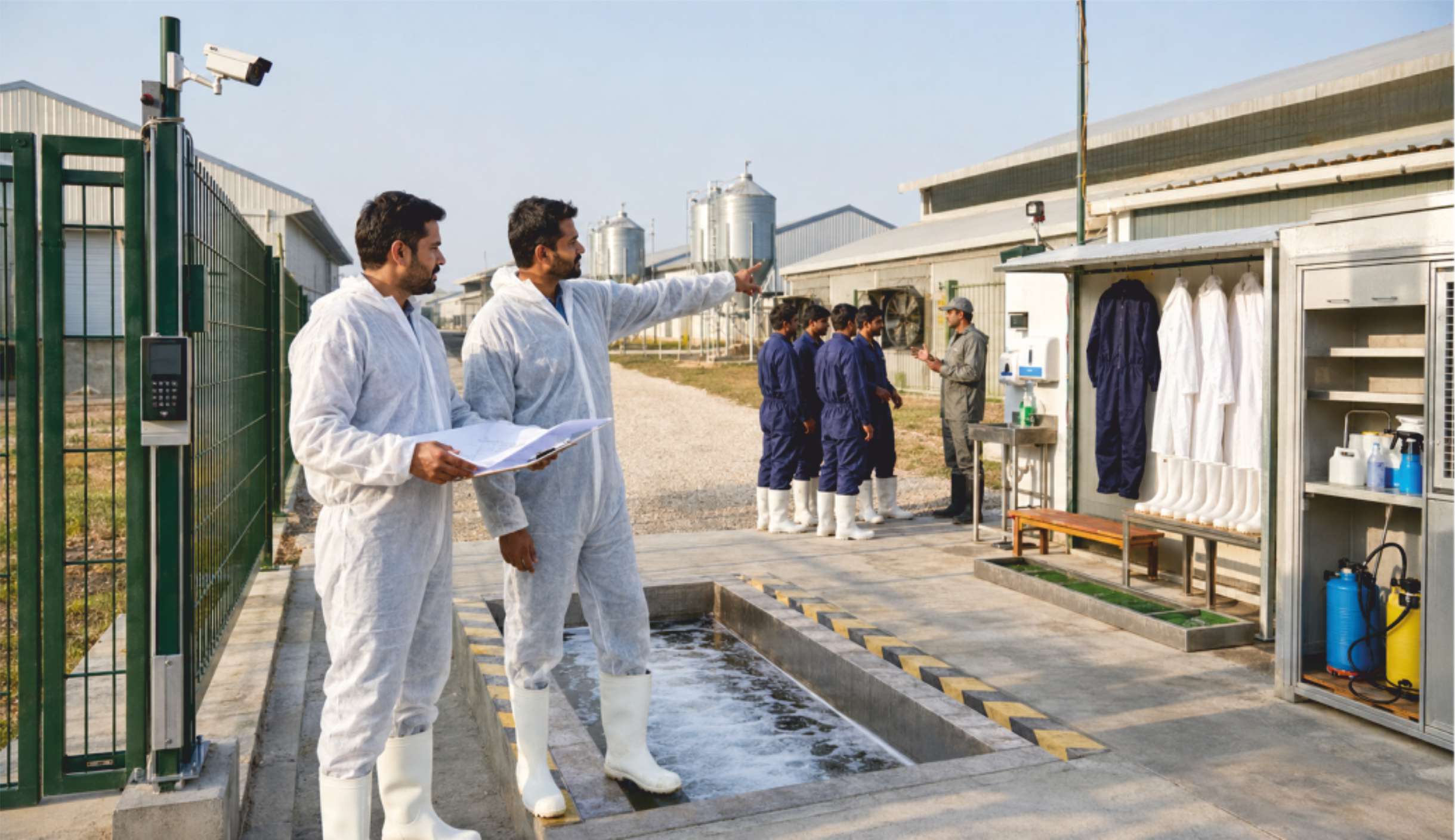
Personnel hygiene is equally critical. Farm workers should use dedicated clothing and footwear, maintain hand hygiene, comply with visitor restrictions, and receive regular biosecurity training. Similarly, feed and water must be protected from contamination through proper storage, water chlorination, and routine quality monitoring.
Rodent and insect control programmes, together with scientifically approved mortality disposal methods, further strengthen disease prevention by eliminating important sources of pathogen transmission.
Biosecurity as a Strategic Business Investment
Historically, many poultry producers regarded expenditures on sanitation, fencing, disinfection equipment, employee training, and surveillance as unavoidable operating costs. Modern poultry enterprises increasingly recognize that these expenditures are investments that protect all other farm assets.
 Feed represents nearly two-thirds of total production costs. Healthy birds utilize feed more efficiently, grow faster, produce more eggs, and require fewer medications than diseased birds. Even modest improvements in feed conversion ratio can substantially increase profitability.
Strong biosecurity systems also improve market confidence. Consumers increasingly demand poultry products that are safe, traceable, and produced under high standards of animal health and welfare. Farms maintaining effective biosecurity programmes are better positioned to comply with certification schemes, quality assurance standards, and export requirements.
From a business perspective, biosecurity reduces biological risk while improving enterprise resilience. Disease outbreaks can rapidly destroy years of investment in genetics, housing, labour, and marketing. Preventive biosecurity therefore serves as a protective framework that preserves productivity, enhances competitiveness, and ensures long-term sustainability.
Modern poultry producers should therefore ask not whether they can afford to invest in biosecurity, but whether they can afford the consequences of inadequate disease prevention.
Practical Biosecurity Measures that Enhance Profitability
The success of any biosecurity programme depends on its consistent implementation at the farm level. While sophisticated infrastructure and advanced technologies can strengthen disease prevention, many highly effective biosecurity interventions are simple, practical, and relatively inexpensive. Their value lies not in high capital investment but in disciplined and continuous application.
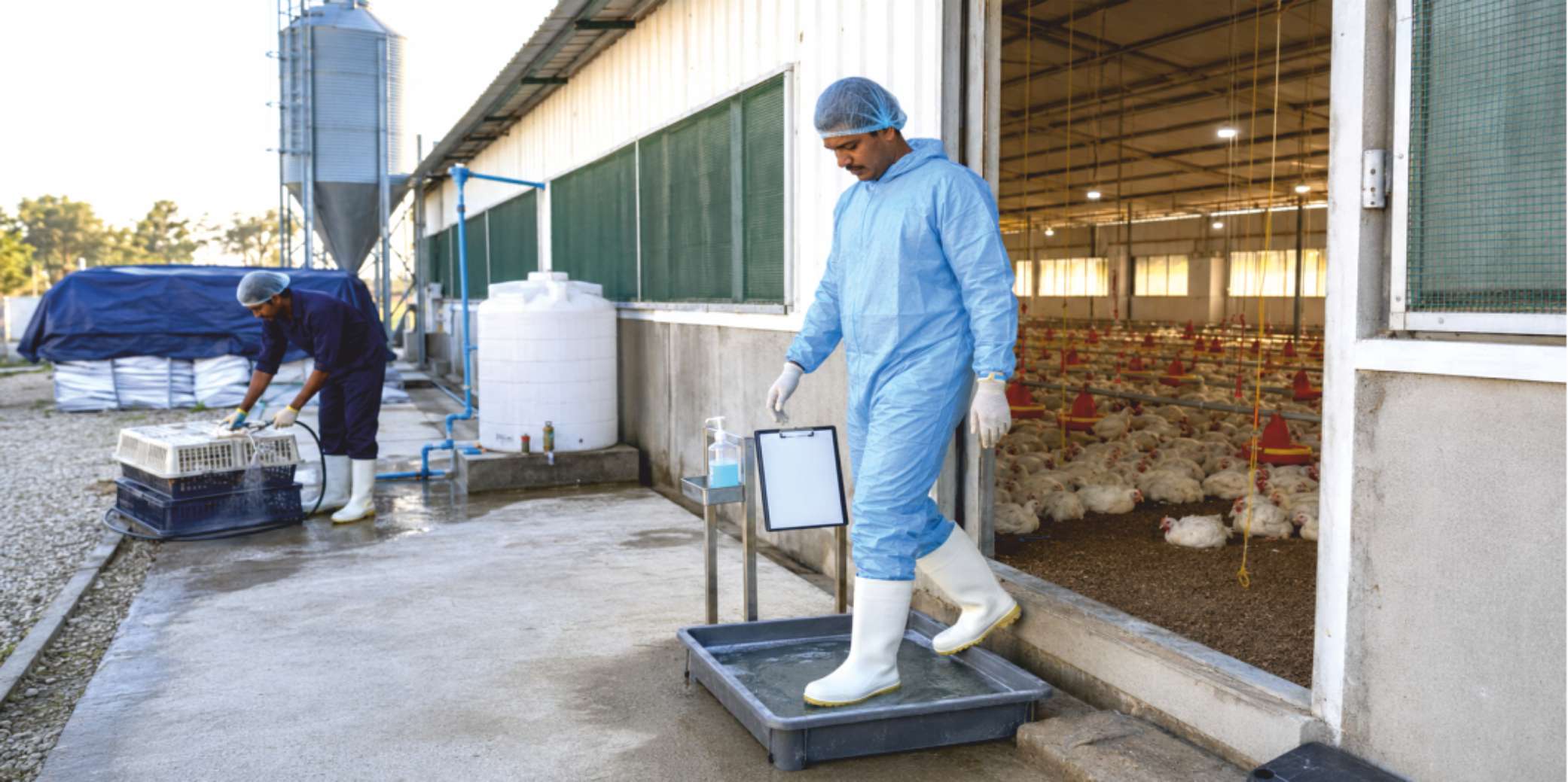
The first line of defence is strict farm access control. Entry to poultry houses should be restricted to essential personnel, and all visitors should comply with hygiene protocols including hand sanitization, use of dedicated clothing and boots, and passage through properly maintained footbaths. Maintaining visitor records and enforcing a minimum downtime for personnel who have recently visited other poultry farms significantly reduce the likelihood of introducing infectious pathogens.
Cleaning and disinfection remain the cornerstone of disease prevention. Poultry houses, equipment, feeders, drinkers, egg trays, transport crates, and vehicles should be thoroughly cleaned to remove organic matter before applying appropriate disinfectants. Adequate downtime between production cycles allows environmental pathogen loads to decline naturally and improves the effectiveness of sanitation programmes.
Feed and water hygiene are equally important because they represent continuous sources of pathogen exposure. Feed should be procured from reliable manufacturers and stored under dry, rodent-proof conditions to prevent fungal contamination and mycotoxin development.
Drinking water should be regularly tested for microbial quality, chlorinated when necessary, and supplied through cleaned pipelines to minimize biofilm formation.
Integrated pest management also plays a critical role. Rodents, flies, beetles, mosquitoes, and wild birds serve as mechanical carriers of numerous bacterial and viral pathogens. Effective pest control, combined with scientific carcass disposal methods such as composting, rendering, or incineration, minimizes environmental contamination and pathogen persistence.
Finally, employee education is perhaps the most cost-effective biosecurity investment. Every worker should understand disease transmission pathways, recognize early clinical signs, and consistently follow standard operating procedures (SOPs). A well-trained workforce transforms biosecurity from a written protocol into a daily management culture that protects flock health and farm profitability.
Digital Transformation of Poultry Biosecurity
Rapid advances in digital technologies are revolutionizing poultry health management by shifting disease control from a reactive to a predictive approach. Precision livestock farming integrates artificial intelligence (AI), machine learning, sensor technologies, automation, and molecular diagnostics to improve disease surveillance and decision-making.
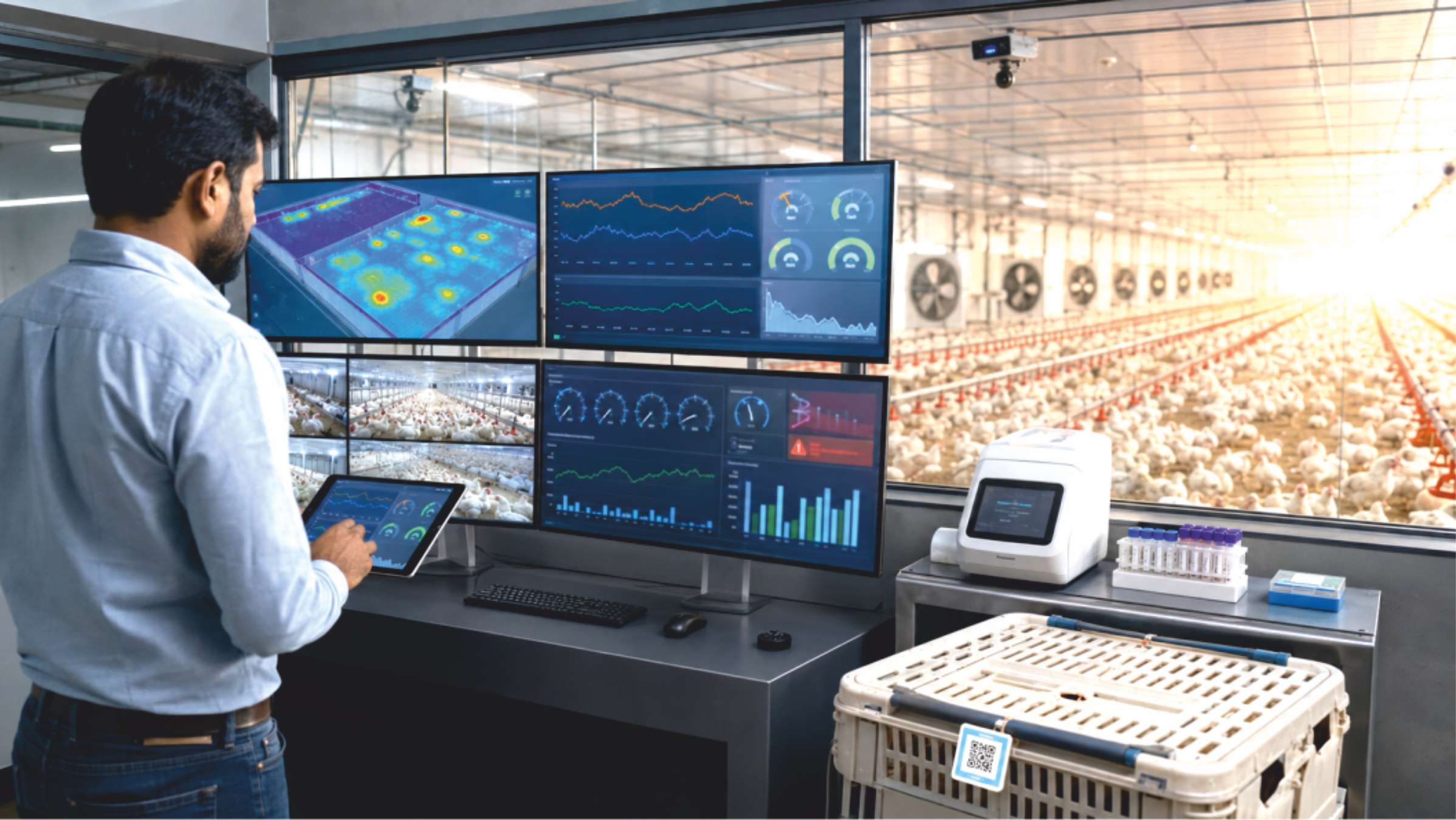 Artificial intelligence can analyse production data such as feed intake, water consumption, mortality, growth rate, and behavioural changes to detect early indicators of disease before clinical signs become apparent. Such predictive systems enable farmers to intervene promptly, thereby reducing mortality and economic losses.
The Internet of Things (IoT) has further strengthened biosecurity by enabling continuous monitoring of environmental variables including temperature, humidity, ammonia concentration, carbon dioxide, ventilation efficiency, and water quality. Automated alerts help managers respond immediately to deviations that may compromise bird health.
Computer vision systems are increasingly being used to monitor flock behaviour, feeding activity, movement patterns, and gait abnormalities. These technologies allow rapid identification of subtle behavioural changes associated with disease onset.
Molecular diagnostic tools such as polymerase chain reaction (PCR), real-time PCR, and genomic sequencing permit rapid detection of viral, bacterial, and parasitic pathogens, facilitating timely intervention. Blockchain-based traceability systems and cloud-based farm management platforms further enhance transparency, certification, and supply chain confidence.
Although digital biosecurity requires initial investment, its long-term benefits include reduced disease incidence, improved productivity, lower veterinary costs, enhanced decision-making, and increased resilience against emerging diseases.
Biosecurity Challenges and Opportunities in India
India has become one of the world’s leading producers of poultry meat and eggs, yet the country’s diverse production systems create unique biosecurity challenges. Large integrated commercial operations coexist with smallholder and backyard poultry farms, creating epidemiological interfaces that facilitate pathogen transmission.
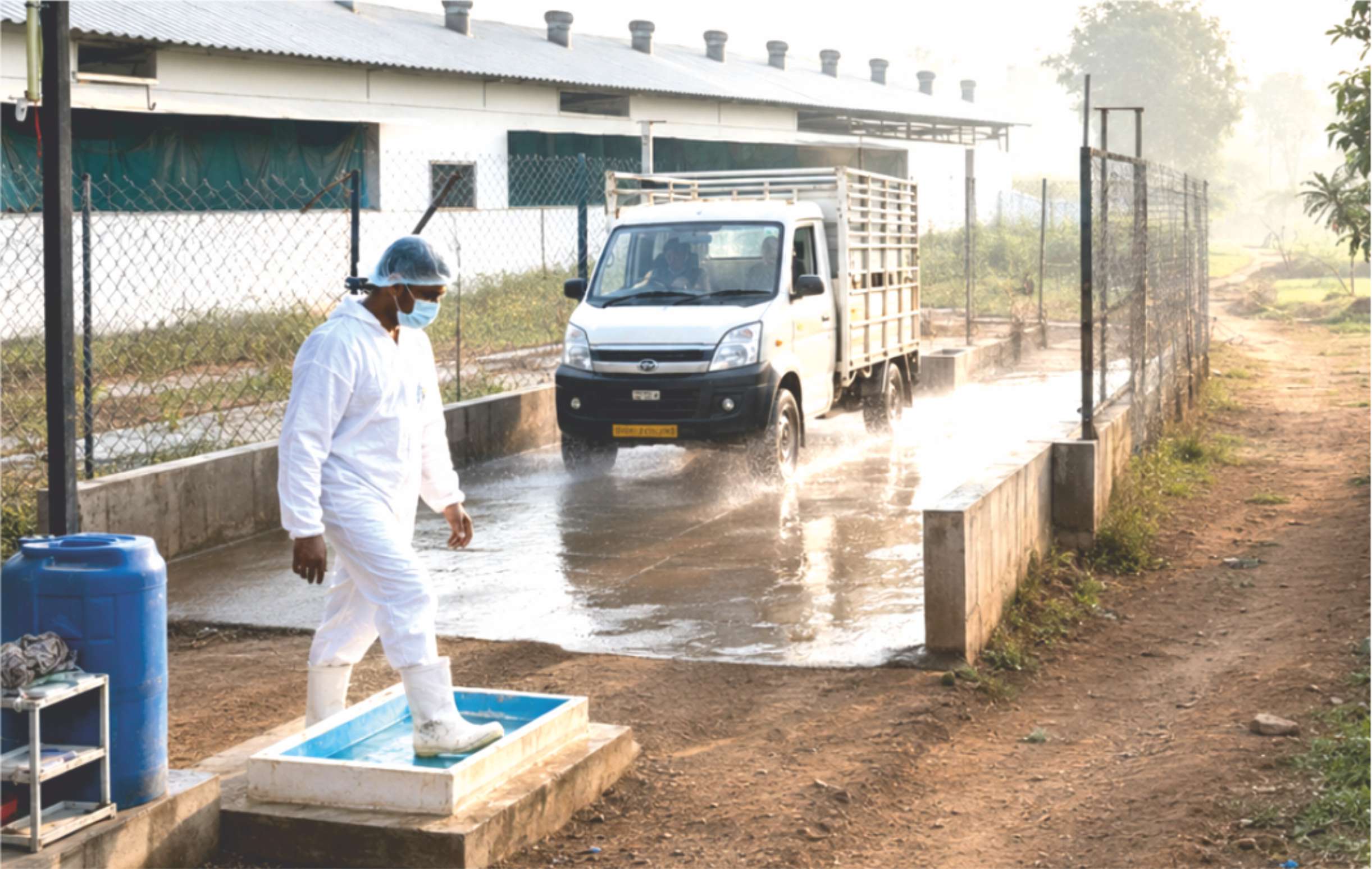 One of the major constraints is uneven awareness regarding the economic importance of biosecurity. Large poultry companies generally maintain comprehensive disease prevention programmes, whereas many small and medium-scale producers continue to regard biosecurity as an additional expense rather than a productive investment. Financial limitations often prevent investment in essential infrastructure such as perimeter fencing, vehicle disinfection facilities, controlled farm entry, and scientific carcass disposal systems.
High poultry density in several production clusters further increases disease risk. Frequent movement of day-old chicks, feed, eggs, live birds, and farm personnel across states facilitates pathogen dissemination. Backyard poultry, live bird markets, and mixed farming systems involving ducks and other livestock also increase the risk of zoonotic disease transmission.
Despite these challenges, India possesses significant opportunities to strengthen poultry biosecurity. The country has a strong network of veterinary universities, diagnostic laboratories, research institutes, extension agencies, and progressive poultry companies capable of promoting scientific disease prevention. Government initiatives supporting livestock health, antimicrobial stewardship, digital agriculture, and the One Health approach can further accelerate adoption of comprehensive biosecurity practices.
Public-private partnerships involving industry associations, academic institutions, pharmaceutical companies, and producer organizations will be instrumental in developing practical, affordable, and scalable biosecurity solutions for Indian poultry farmers.
Biosecurity within the One Health Framework
Modern biosecurity extends beyond farm profitability to encompass animal health, public health, and environmental sustainability. The One Health concept recognizes the close interdependence of humans, animals, and ecosystems.
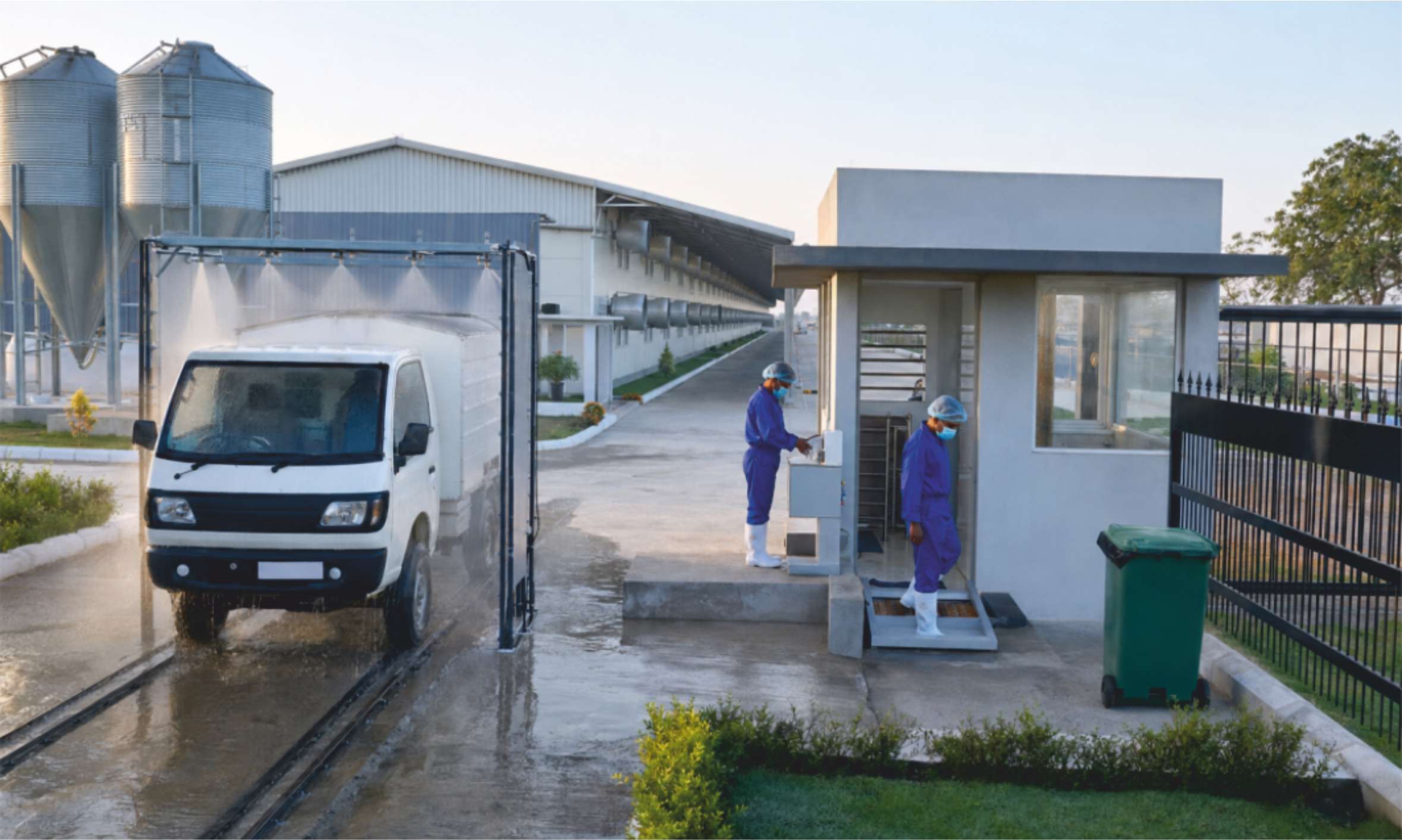 Effective poultry biosecurity reduces the circulation of zoonotic pathogens such as avian influenza and Salmonella, thereby protecting consumers, farm workers, and surrounding communities. Healthy flocks also require fewer therapeutic antibiotics, contributing to global efforts to combat antimicrobial resistance (AMR).
Good biosecurity practices improve waste management, reduce contamination of soil and water resources, and minimize environmental dissemination of infectious agents. Consequently, investments in poultry biosecurity generate societal benefits that extend far beyond individual farms by supporting food safety, environmental protection, and national food security.
Capacity Building and Policy Support
Infrastructure alone cannot guarantee successful biosecurity. Human behaviour remains one of the most critical determinants of disease prevention. Continuous training programmes should therefore be provided for farm owners, managers, veterinarians, technicians, and workers on disease recognition, personal hygiene, vaccination, cleaning and disinfection, pest control, mortality management, and emergency response.
Routine biosecurity audits, risk assessments, and comprehensive record-keeping systems enable producers to monitor flock performance and identify weaknesses requiring corrective action. Standard operating procedures should be regularly reviewed and updated in response to emerging disease threats and technological developments.
Government agencies also have an essential role in strengthening national biosecurity through veterinary services, laboratory networks, surveillance systems, science-based regulations, and financial incentives that encourage producers to invest in preventive infrastructure. Harmonization of national standards with international guidelines will further improve India’s competitiveness in global poultry trade.
Way Forward
Biosecurity has evolved from a routine veterinary recommendation into one of the most valuable strategic investments in modern poultry production. Scientific evidence consistently demonstrates that prevention delivers substantially greater economic returns than treatment. Every investment made in disease prevention safeguards valuable biological assets, preserves productivity, reduces veterinary expenditure, minimizes antimicrobial use, and enhances market confidence.
For India, where poultry production continues to expand rapidly, widespread adoption of comprehensive biosecurity systems will be fundamental to sustainable growth. Success will require coordinated efforts involving producers, veterinarians, researchers, policymakers, industry organizations, and technology providers working within a One Health framework.
The future of poultry farming will increasingly depend on predictive health management supported by digital technologies, precision farming, artificial intelligence, and robust surveillance systems. Producers who integrate biosecurity into their core business strategy will be better equipped to withstand emerging disease threats, satisfy evolving consumer expectations, and compete successfully in international markets.
Ultimately, the most profitable poultry enterprise is not the one that spends the least on disease prevention, but the one that invests wisely to ensure disease never compromises productivity. Biosecurity should therefore be regarded not as an operational expense but as a high-return investment that protects animal health, public health, environmental sustainability, and the long-term resilience of the poultry industry.
Selected References
1. Alexander, D. J. (2007). An overview of the epidemiology of avian influenza. Vaccine, 25, 5637–5644.
2. FAO. (2023). Good Practices for Biosecurity in the Poultry Sector. Food and Agriculture Organization of the United Nations.
3. Gelaude, P., Schlepers, M., Verlinden, M., et al. (2014). Measuring on-farm poultry biosecurity using Biocheck.UGent™. Poultry Science, 93, 2740–2750.
4. Glisson, J. R., Hofacre, C. L., & Christensen, J. P. (2019). Poultry Diseases. Elsevier.
5. WOAH. (2023). Terrestrial Animal Health Code.
6. Swayne, D. E. (Ed.). (2020). Diseases of Poultry (14th ed.). Wiley-Blackwell.
7. World Health Organization. (2022). One Health Joint Plan of Action (2022–2026).
8. World Bank. (2022). One Health Operational Framework for Strengthening Animal Health Systems.
9. FAO. (2022). Biosecurity Guide for Poultry Production and Value Chains.
10. USDA APHIS. (2023). Defend the Flock: Biosecurity for Poultry Owners.