

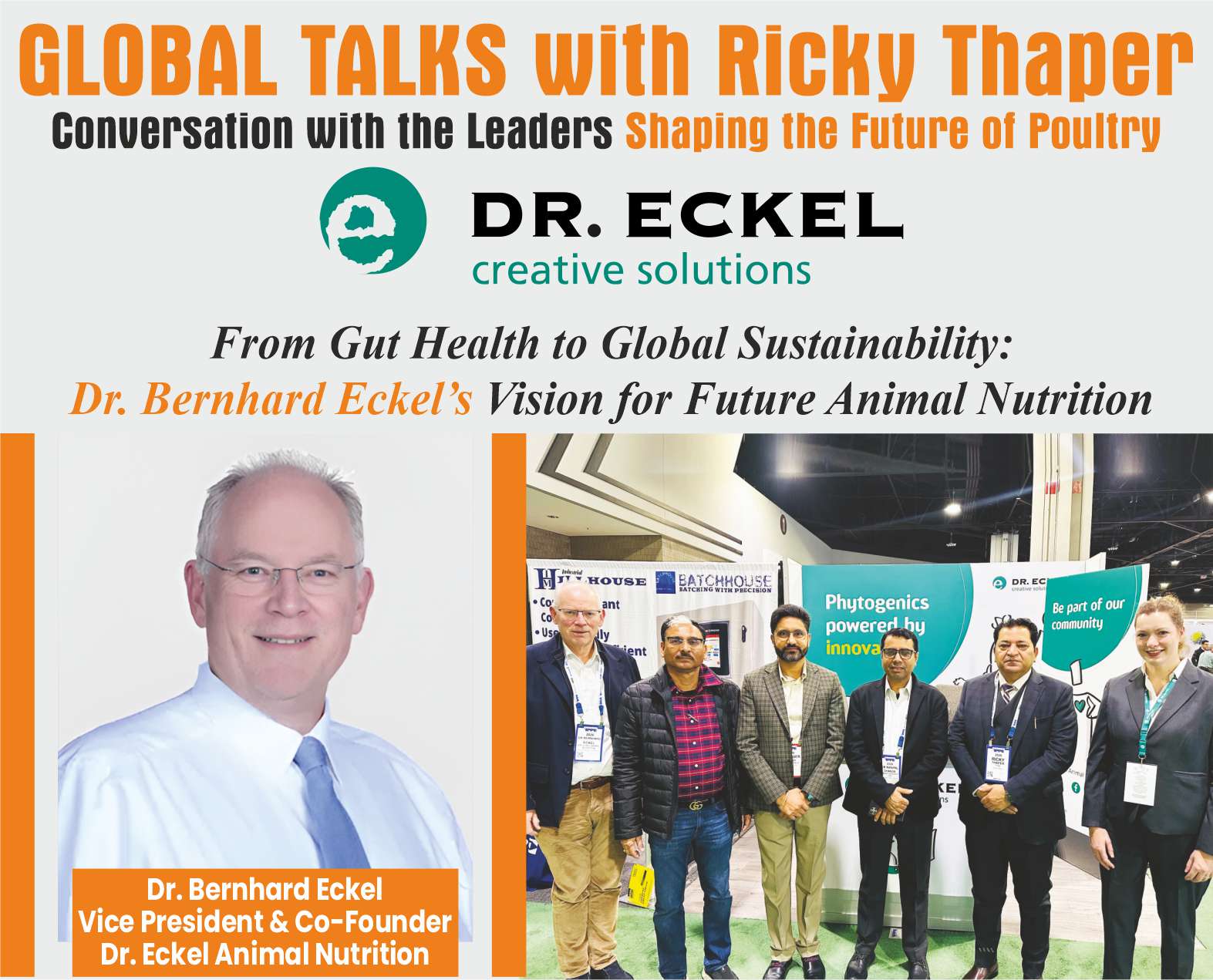
The 9th edition of the Global Talks Series features Dr. Bernhard Eckel, Vice President and Co-Founder of Dr. Eckel Animal Nutrition, Germany, a globally recognized leader in feed additive innovation and sustainable animal nutrition. This edition explores Dr. Eckel’s journey from his roots in practical farming to becoming one of the industry’s most respected voices in animal nutrition. With more than three decades of experience, he has played a pivotal role in advancing phytogenic feed additives, feed hygiene, gut health solutions, and nutritional technologies that support animal welfare, production efficiency, and sustainable livestock farming worldwide. A trained farmer and agricultural scientist with a doctorate in Animal Nutrition from the Technical University of Munich-Weihenstephan, Dr. Eckel continues to inspire the global feed and livestock industries through scientific innovation, practical expertise, and a strong commitment to sustainable protein production.
A Lifelong Passion for Animal Nutrition
Dr. Bernhard Eckel’s journey into animal nutrition began on a family farm, where he developed a deep understanding of agriculture from an early age. His practical training as a farmer revealed the close relationship between feed quality, animal health, productivity, and farm profitability. This realization inspired him to pursue agricultural science and specialize in animal nutrition.
Throughout his career, he has remained motivated by the opportunity to bridge scientific knowledge and practical application. For Dr. Eckel, animal nutrition represents a unique intersection of biology, economics, and sustainability, offering opportunities to improve production efficiency while simultaneously supporting animal welfare, environmental stewardship, and global food security.
Three Decades of Transformation in Feed Additives
Reflecting on more than thirty years of industry experience, Dr. Eckel identifies the transition away from antibiotic growth promoters as one of the most significant developments in animal nutrition. This shift fundamentally changed livestock production and accelerated innovation in scientifically validated alternatives, particularly phytogenic feed additives.
The industry’s growing emphasis on preventive health approaches has strengthened efforts to improve animal resilience, gut health, and overall performance. At the same time, the understanding that animal welfare and production efficiency can coexist has become increasingly accepted. Modern livestock systems now recognize that sustainable productivity depends on maintaining high welfare standards.
Consumer expectations have also evolved considerably. Today’s feed solutions must not only deliver performance but also meet demands for sustainability, safety, transparency, and economic viability.
The Growing Importance of Phytogenic Feed Additives
According to Dr. Eckel, the market for advanced feed additives will continue to expand in response to regulatory pressures, sustainability targets, and the need for efficient animal protein production.
Phytogenic feed additives are gaining increasing attention due to their broad range of functional benefits. Their antimicrobial properties, support for digestive health, and contribution to production stability make them valuable tools for modern livestock producers. As global markets become more volatile and producers seek greater resilience within production systems, plant-based nutritional solutions are expected to play an increasingly important role.
While regional differences will continue to influence adoption patterns, significant growth opportunities are anticipated across Asia and Latin America, where livestock production systems are undergoing rapid modernization and intensification.
Future Focus Areas: Gut Health, Feed Hygiene, and Endotoxin Management
Looking ahead, Dr. Eckel believes that future innovation will increasingly focus on supporting gut health and improving the resilience of production systems under challenging conditions. The next generation of feed additives will likely combine multiple functional benefits within a single solution, delivering antimicrobial support, microbiota stabilization, and improved digestion simultaneously.
Producers are increasingly seeking integrated solutions that address several production challenges while remaining practical and cost-effective.
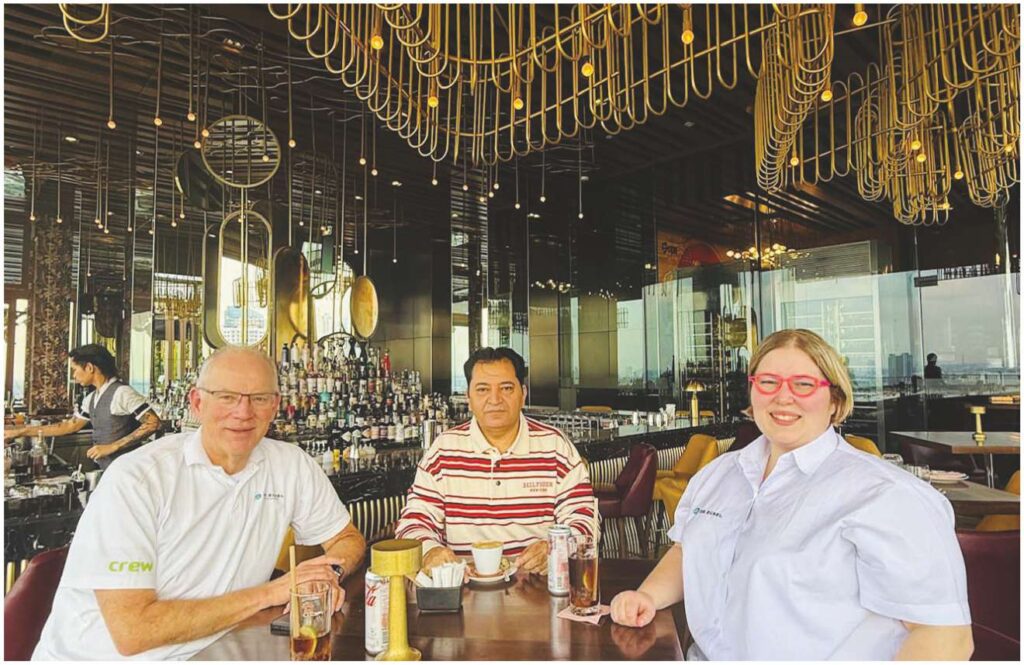
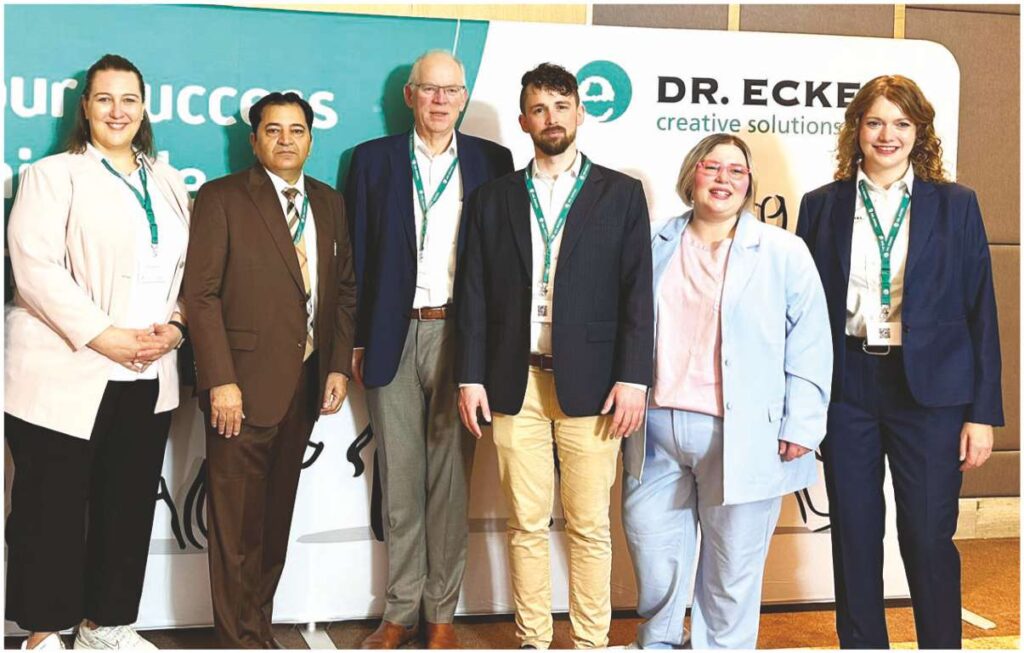
Feed hygiene remains another critical area of focus. During the Dr. Eckel World Tour seminar in Bangkok, discussions highlighted the role of improved feed hygiene in reducing the risk of African Swine Fever transmission through contaminated feed. This continues to be an important issue in many regions worldwide and emphasizes the need for stronger biosecurity throughout the feed chain.
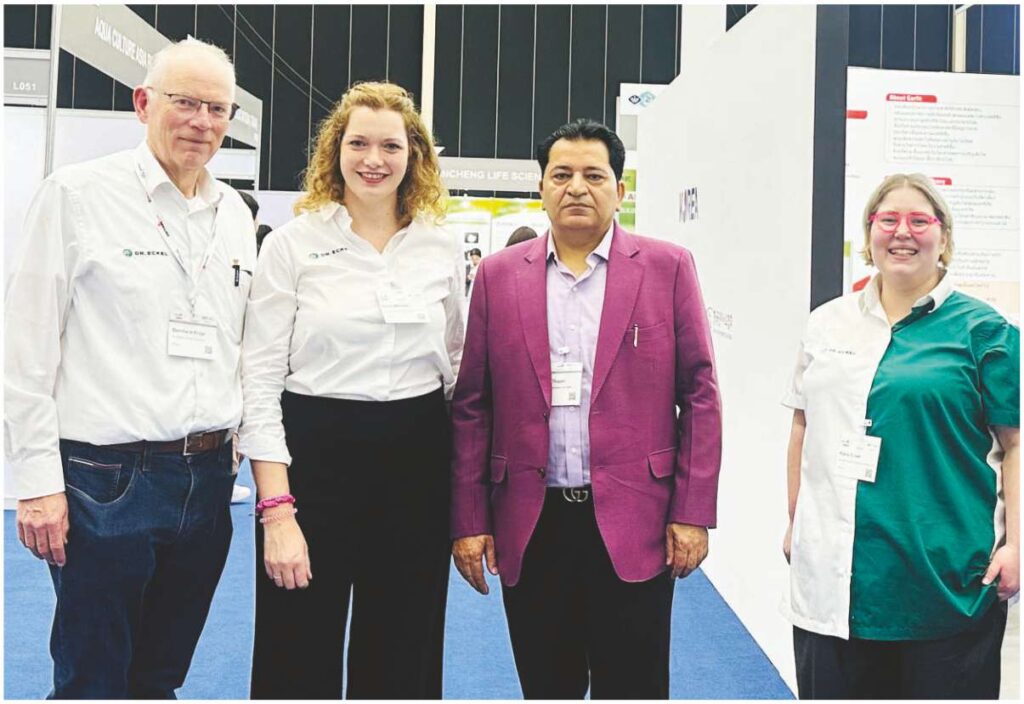
Equally important is the growing awareness of endotoxin management. Once viewed primarily as a livestock concern, endotoxins are now receiving increasing attention within the aquaculture sector. Discussions during the Aquatic Conference at VIV Health & Nutrition Asia demonstrated the industry’s growing recognition of the impact endotoxins can have on animal health and production performance.
“The future of livestock production lies in combining science, innovation, and sustainability. By strengthening gut health, feed hygiene, and animal welfare, we can create more resilient and efficient food systems for generations to come.”
— Dr. Bernhard Eckel
Shaping the Future of Animal Nutrition
Dr. Eckel believes the future of animal nutrition will be driven by the need to balance efficiency, resilience, and sustainability while ensuring reliable protein production in an increasingly uncertain world.
Several key trends are expected to define the industry’s future. Greater emphasis on gut health, wider adoption of multifunctional feed additives, and continued efforts to reduce antibiotic use will remain central priorities. Transparency and traceability across the livestock value chain will become increasingly important as consumers seek greater confidence in food production systems.
At the same time, digital technologies and artificial intelligence are expected to transform decision-making processes. Data-driven management tools will enable producers to optimize nutrition strategies, improve efficiency, and manage production complexity with greater precision.
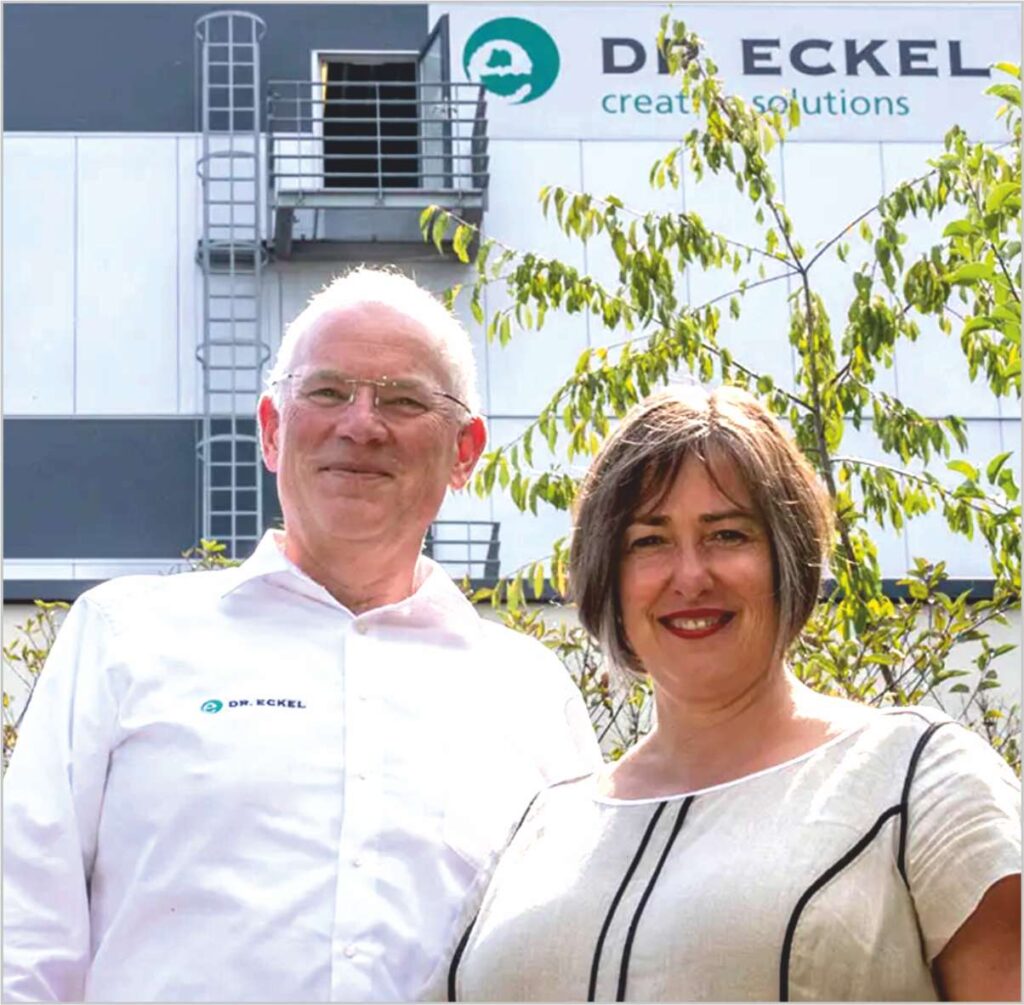
For Dr. Bernhard Eckel, the future of animal nutrition lies in combining scientific innovation with practical solutions that strengthen animal health, support sustainable livestock production, and contribute to global food security.