

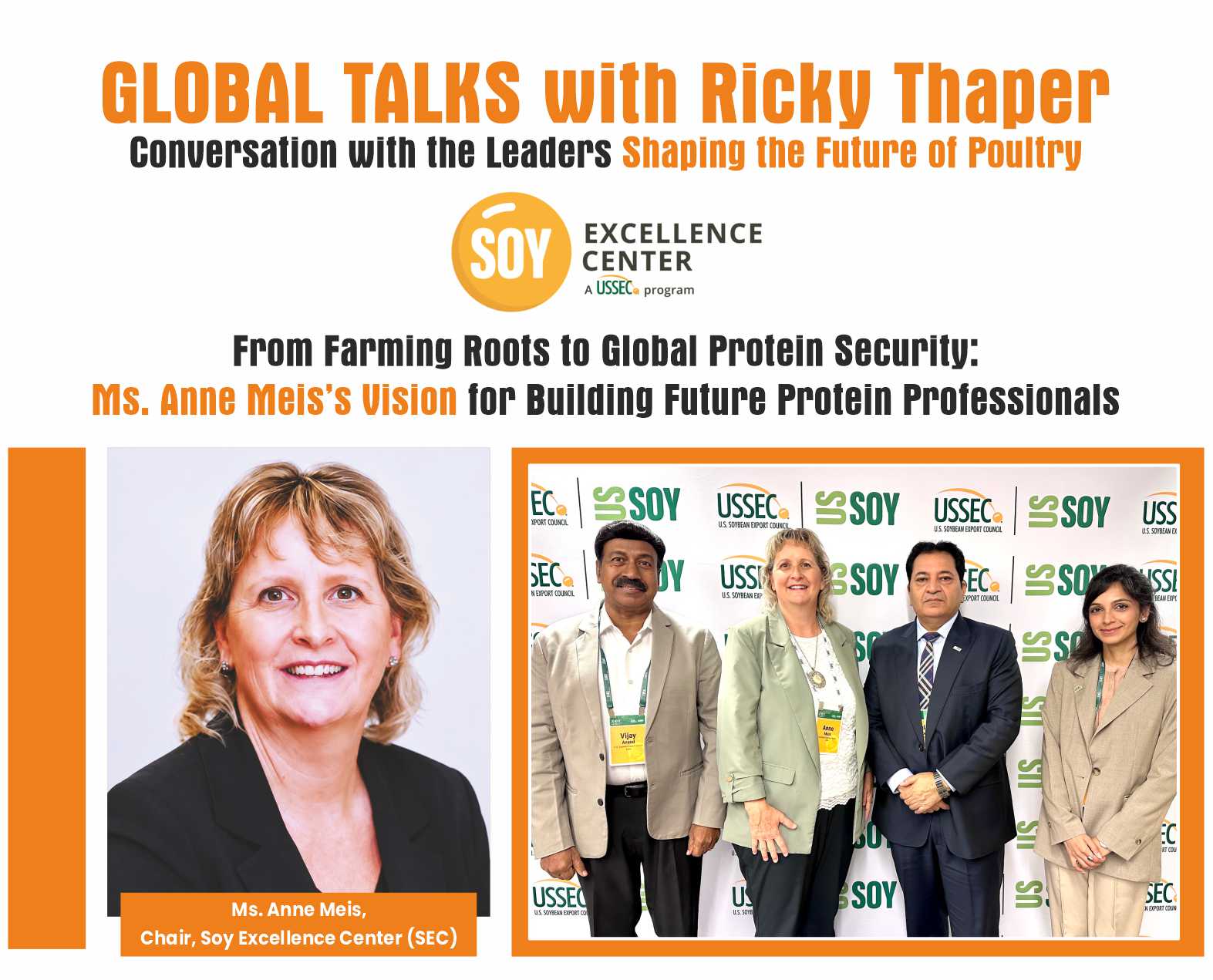
The 11th edition of the Global Talks Series features Ms. Anne Meis, Chair of the Soy Excellence Center (SEC), a U.S. soybean grower from Nebraska and a member of the Nebraska Soybean Board. Representing the farming community at the foundation of the U.S. soy value chain, she brings a valuable perspective that connects agricultural production with the evolving needs of the global food, feed and protein industries. This edition explores the important role of the Soy Excellence Center, a strategic initiative of the U.S. Soybean Export Council (USSEC), in developing the next generation of protein professionals. Ms. Meis shares her insights on continuous education, practical training, workforce development and international knowledge exchange across the poultry, livestock, aquaculture, feed and food-processing sectors. Grounded in practical farming experience and industry leadership, Ms. Meis strongly advocates investing in people as the key to building productive, innovative and sustainable food systems. Her vision highlights how skilled professionals, empowered through knowledge and global collaboration, can strengthen businesses, advance protein security and support the future growth of the global agriculture industry.
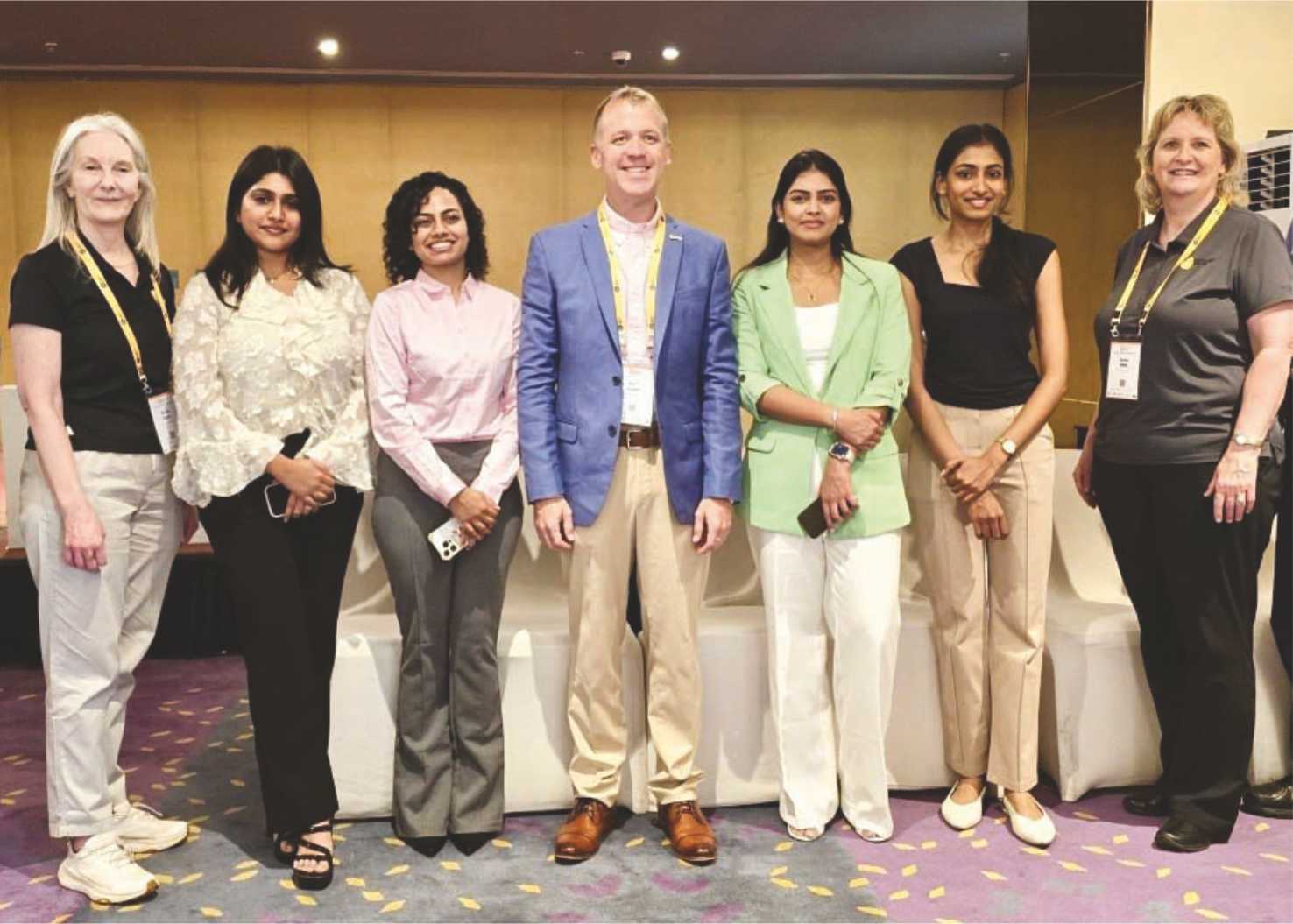
As global protein demand rises, the food and agriculture sectors face the challenge of providing nutritious, safe and affordable food to a growing population. Human capital development and continuous professional education have therefore become increasingly important. The Soy Excellence Center (SEC), an initiative of the U.S. Soybean Export Council (USSEC), addresses this challenge by developing skilled professionals across the poultry, livestock, aquaculture, feed and food industries.
In this edition of the Global Talks Series, I interacted with Ms. Anne Meis, Chair of the Soy Excellence Center, a Nebraska soybean grower and member of the Nebraska Soybean Board. Representing the farming community at the foundation of the U.S. soy value chain, she brings a valuable producer’s perspective to the initiative.
Soy: A Key Pillar of the Global Protein Value Chain – With global protein demand projected to increase significantly over the coming years and the world population approaching 10 billion, ensuring adequate nutrition for a growing population is one of the defining challenges facing the global food system.
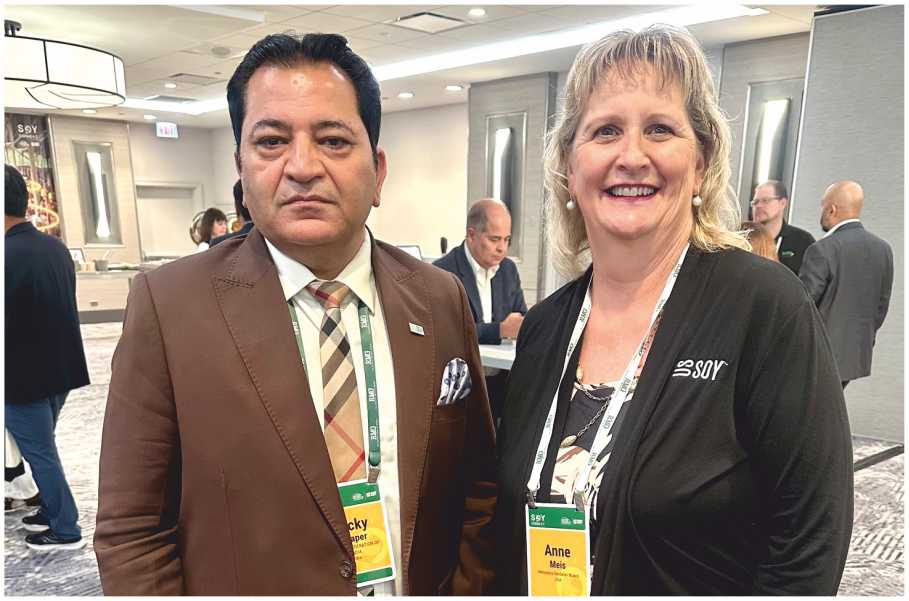
During my interaction with Ms. Anne Meis in Chicago, USA during Soy Connext 2026 conference she said U.S. Soybean Export Council (USSEC) works to expand market access and promote the use of U.S. soy for human consumption, aquaculture and livestock feed in more than 90 countries. Its membership represents the complete soy value chain, including farmers, processors, commodity shippers, merchandisers, allied agribusinesses and agricultural organisations. The organisation is supported through the U.S. soybean checkoff, USDA Foreign Agricultural Service matching funds and industry contributions.
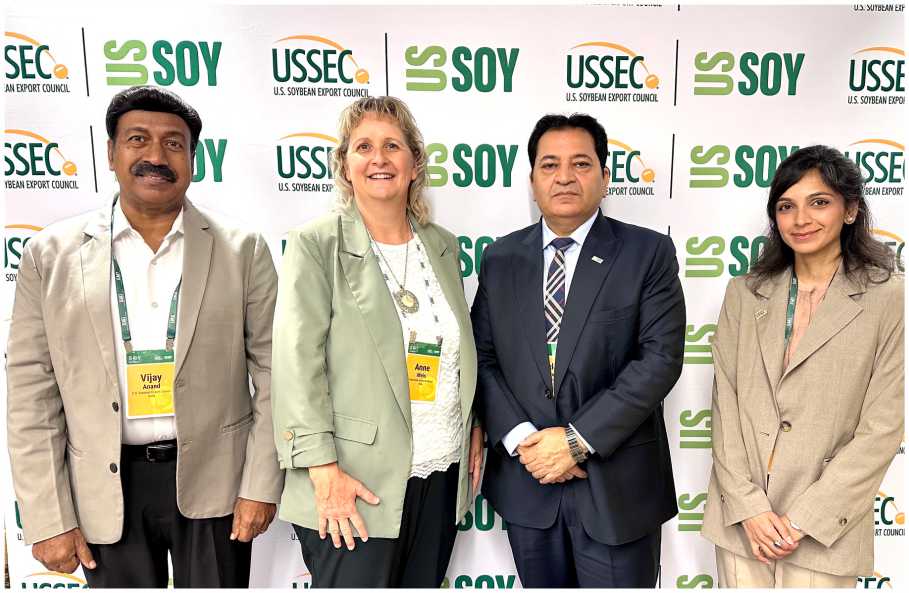
Soy Excellence Center: Investing in People – Since its launch in 2019, the Soy Excellence Center has expanded its reach across different regions of the world, developing programs designed around local workforce and industry needs.
Ms. Anne Meis added the fundamental philosophy behind SEC is simple but powerful: strengthen people so they can strengthen the food and agriculture sector. The centres focus on building the capacity and market potential of businesses throughout the food and agriculture value chain.
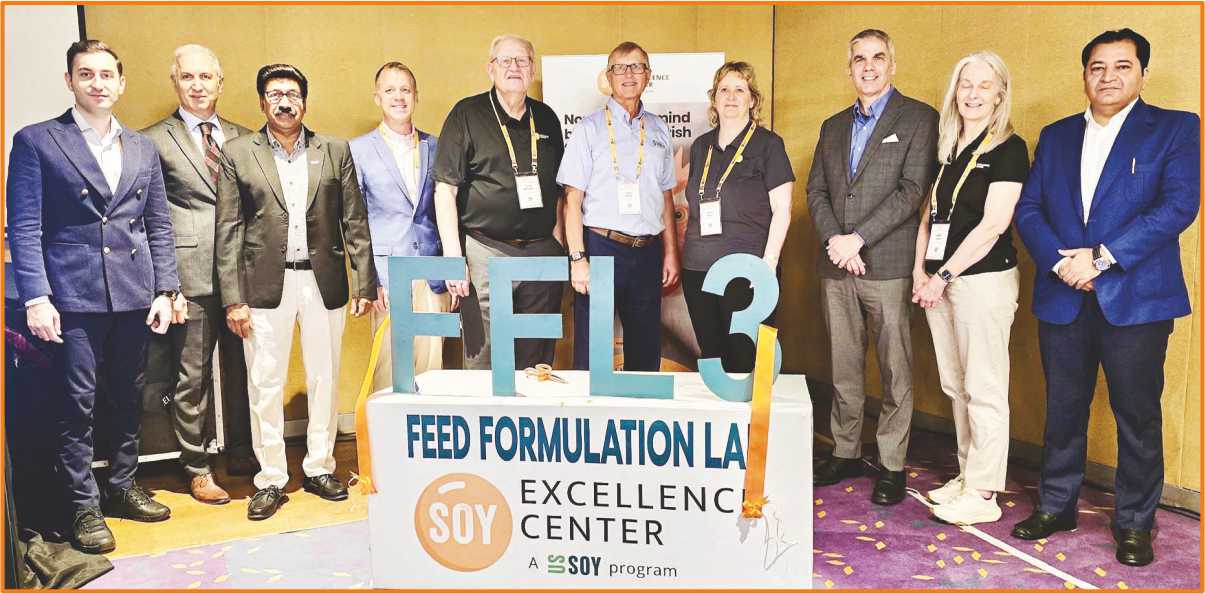
SEC programmes provide professionals with opportunities to enhance their knowledge through specialised courses covering areas such as poultry, feed milling, aquaculture and soy food and beverage processing. USSEC currently operates SEC regional hubs covering the Americas, Asia, India, the Middle East and North Africa and Sub-Saharan Africa. Through expert-led training, practical learning and interaction with professionals from around the world, SEC participants gain knowledge in areas including feed formulation, feed manufacturing, aquaculture technologies, production practices and soy-based food innovation.
Ms. Anne Meis said The protein industry is changing rapidly. Customer expectations are evolving, food regulations are becoming more stringent, production technologies are advancing, digitalisation is transforming businesses, and our understanding of nutrition, genetics and animal health continues to develop. In this environment, professional education cannot be viewed as a one-time activity. Continuous learning has become essential for remaining competitive and relevant. Training enables professionals to acquire new skills, strengthen existing competencies and remain aligned with changing industry standards. For companies, investing in workforce development can translate into improved productivity, innovation, employee engagement and long-term competitiveness.
Building Confidence and Employee Engagement – Workforce development also has an important human dimension – When organisations invest in the professional growth of their employees, they demonstrate that people are valued as an important strategic asset. Training can enhance employee confidence, motivation and job satisfaction while creating a stronger sense of commitment to the organisation. Leadership development, technical education, soft skills and professional certification can help employees prepare for greater responsibilities and create opportunities for career progression. For the rapidly evolving protein industry, this is particularly important because the sector requires professionals who can combine technical expertise with adaptability and leadership.
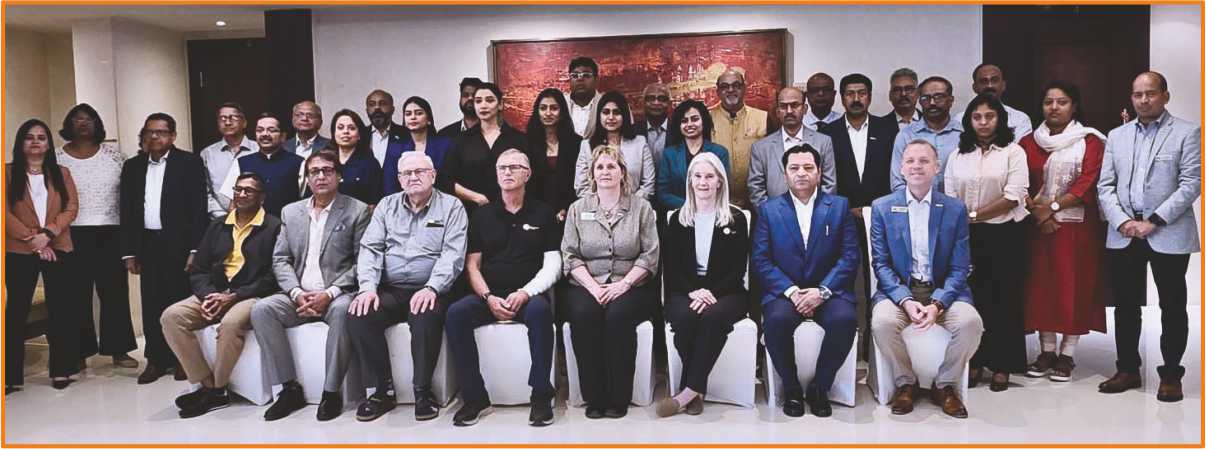
 Training as a Driver of Innovation – Innovation and adaptability are essential in today’s food and protein value chains – Digital technologies are increasingly being integrated into poultry production, feed manufacturing, farm management and other areas of agribusiness. Automation, data analytics, precision management and digital decision-support systems are changing the way businesses operate. Training enables professionals to understand and adopt these technologies more effectively. A workforce that continuously learns is better prepared to respond to changing markets, new technologies and evolving customer expectations. It also creates an environment in which innovation and continuous improvement become part of the organisational culture.
From Training to Higher Productivity – Training has a direct relationship with operational performance – Professionals who understand processes, equipment, quality standards and preventive practices are better positioned to reduce errors, improve efficiency and minimise downtime. For example, in a feed mill, training employees in proactive maintenance practices can help identify potential problems before they develop into major production failures. Similarly, better understanding of feed formulation, ingredient quality and manufacturing practices can contribute to improved feed efficiency and consistency. Across the protein value chain, small improvements in knowledge and execution can create significant economic benefits.
Supporting Career Development – Another important contribution of SEC is its focus on career development – Professional education provides employees with the knowledge and qualifications needed to move into more responsible positions.
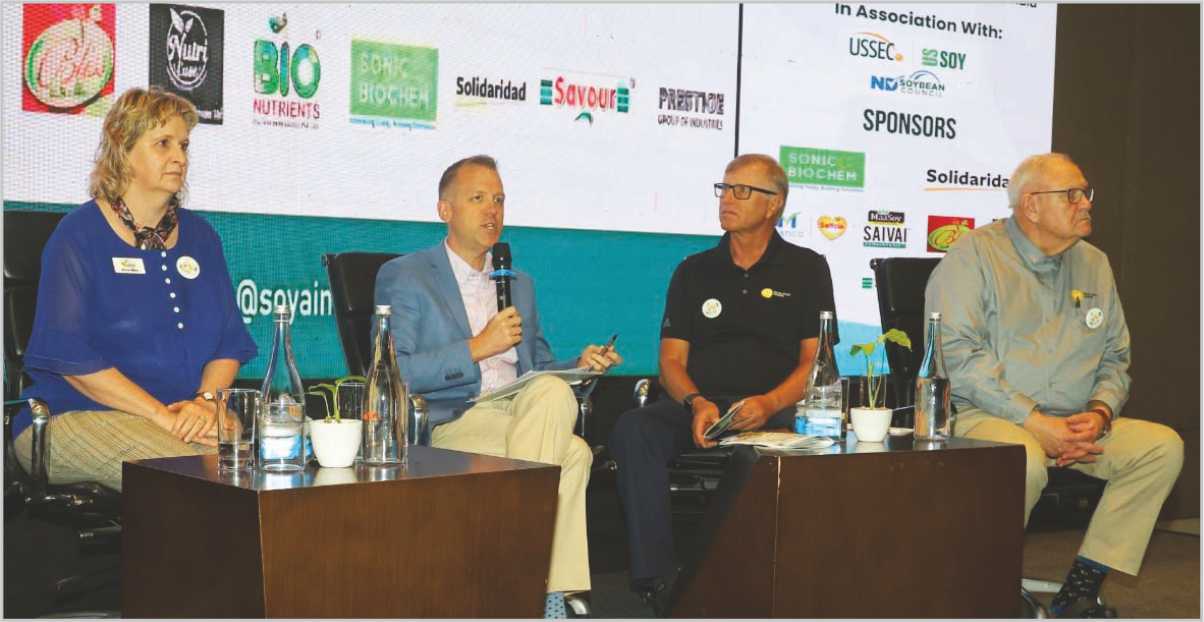

Mentorship, specialised courses and continuing education can help companies develop talent internally rather than relying exclusively on external recruitment. This creates a win-win situation: employees gain opportunities for professional growth, while organisations develop a stronger pipeline of skilled talent.
Ms. Anne Meis said SEC India: Addressing the Needs of a Growing Protein Sector – Recognising India’s rapidly growing food and agriculture sector, USSEC launched the Soy Excellence Center India in February 2024, with a focus on early- to mid-career professionals associated with livestock and food industries. The initiative also aligns with India’s broader emphasis on skill development and preparing the country’s young workforce for emerging opportunities. SEC India offers free online programs covering poultry, feed milling, aquaculture, and soy food and beverage processing. The objective is to bridge the gap between conventional education and the practical skills required by a rapidly modernising food and agriculture industry. For India, this is particularly relevant. The country has a large and young workforce, while its poultry, dairy, aquaculture, feed and food-processing sectors continue to evolve. Developing skilled professionals will be essential to support this growth.
Contributing to National Protein Security – Workforce development has implications that extend beyond individual companies. Protein is fundamental to human growth, development and health. Ensuring a reliable supply of safe, nutritious and affordable protein is therefore an important component of national food security. A skilled workforce can contribute to protein security by improving production efficiency, feed utilisation, food safety, quality management, processing, preservation and distribution. Training can also encourage professionals to adopt more sustainable approaches, reduce waste and explore innovative technologies capable of meeting future demand. In this context, capacity building should be viewed as a strategic investment in national protein secure.
Mr. Kevin Roepke, Executive Director for Middle East, North Africa and South Asia (MENASA), USSEC, has emphasised the importance of investing in people and human capital development. According to Mr. Roepke, human capital development is a critical driver of organisational growth. Companies that prioritise workforce development are better positioned to achieve higher performance and stronger employee retention. He also highlighted the opportunity presented by India’s young and dynamic workforce. The establishment of SEC India reflects USSEC’s commitment to supporting the development of India’s agriculture and food sectors while creating opportunities for the next generation of professionals.
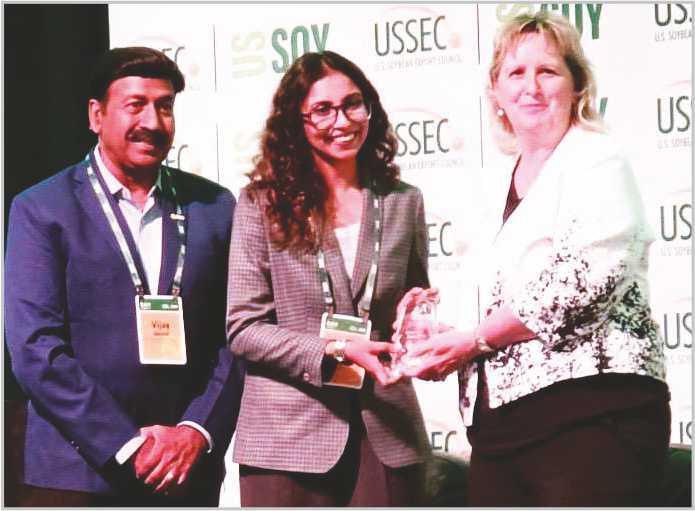
Dr. Vijay Anand, Center Lead – India, Soy Excellence Center, described SEC India as a reflection of USSEC’s commitment to its mission of “feeding the minds of those who will feed the world.” The program is designed to develop the next generation of agricultural professionals by providing access to technical knowledge, global expertise and continuing education. The SEC model also creates an international community in which professionals can learn from experts and from one another, helping to facilitate knowledge exchange across borders. Dr. Vijay highlighted SEC India as more than simply a training programme. It is a transformative digital continuing-education platform designed to encourage lifelong learning. Participants can engage with educational content, peers and experts from around the world, creating a global exchange of knowledge and experience. This global community is particularly valuable for

professionals in emerging markets, where access to specialised international expertise can help accelerate industry development. Dr. Vijay Anand said today India is number one in dairy, number 2 in aqua, number 2 in egg production, number 4 in broiler production and number 5 in global feed milling worldwide. So to cater this growing industry, SEC-India is playing an important role. India is a great consumer market and shall open doors for International Trade. SEC-India is preparing the workforce to support the market which is ready for the transformation.
A Global Community of Protein Professionals
One of the most valuable aspects of the Soy Excellence Center concept is that it goes beyond individual courses. It is creating a global community of protein professionals connected through education, knowledge sharing and common industry objectives. By strengthening workforce capabilities, SEC is helping businesses improve their technical expertise while contributing to the development of stronger and more resilient food supply chains. For emerging markets such as India, these initiatives can help bridge knowledge gaps and accelerate the adoption of global best practices.
The Road Ahead
The future of the global protein industry will depend not only on access to raw materials, technology and investment, but also on the availability of skilled people who can effectively utilise these resources. The challenges facing the protein sector—from rising demand and sustainability to food safety, digitalisation and resource efficiency—require professionals who are continuously learning and adapting. The Soy Excellence Center represents a forward-looking approach to this challenge. By investing in knowledge, skills and people, USSEC is supporting the development of professionals who can contribute to more efficient, innovative and sustainable food and protein systems.
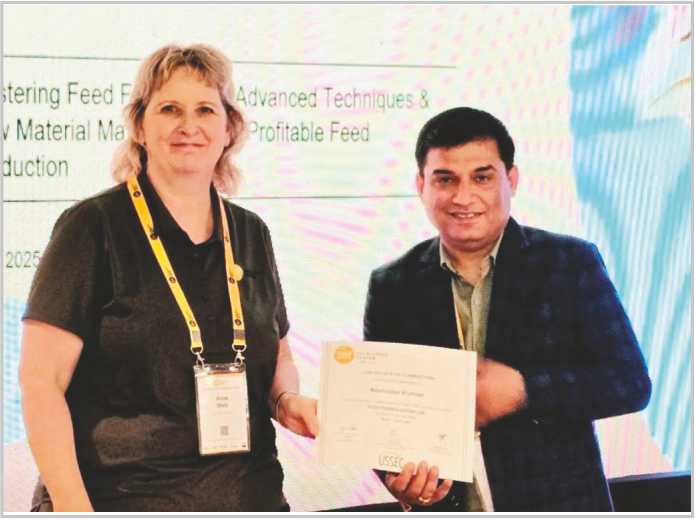
As Anne Meis, Chair of the Soy Excellence Center, represents the farming community at the foundation of the U.S. soy value chain, her involvement also reflects an important connection between farmers and the professionals who ultimately use soy across the global food, feed and protein industries. The message is clear: the future of protein security depends not only on what we produce, but also on what we know and how effectively we apply that knowledge. In a rapidly changing world, investing in people is perhaps one of the most important investments the food and agriculture industry can make.