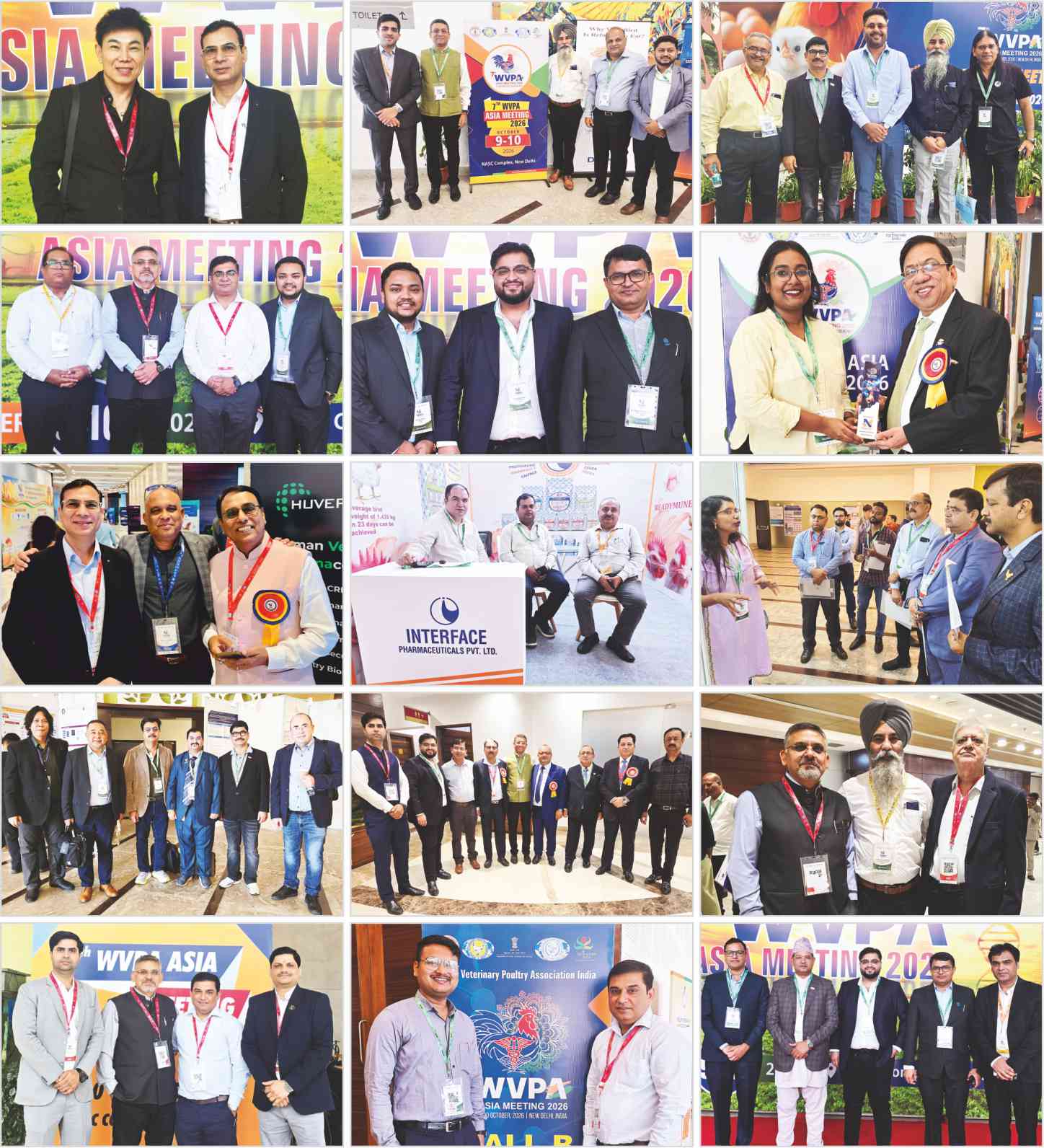


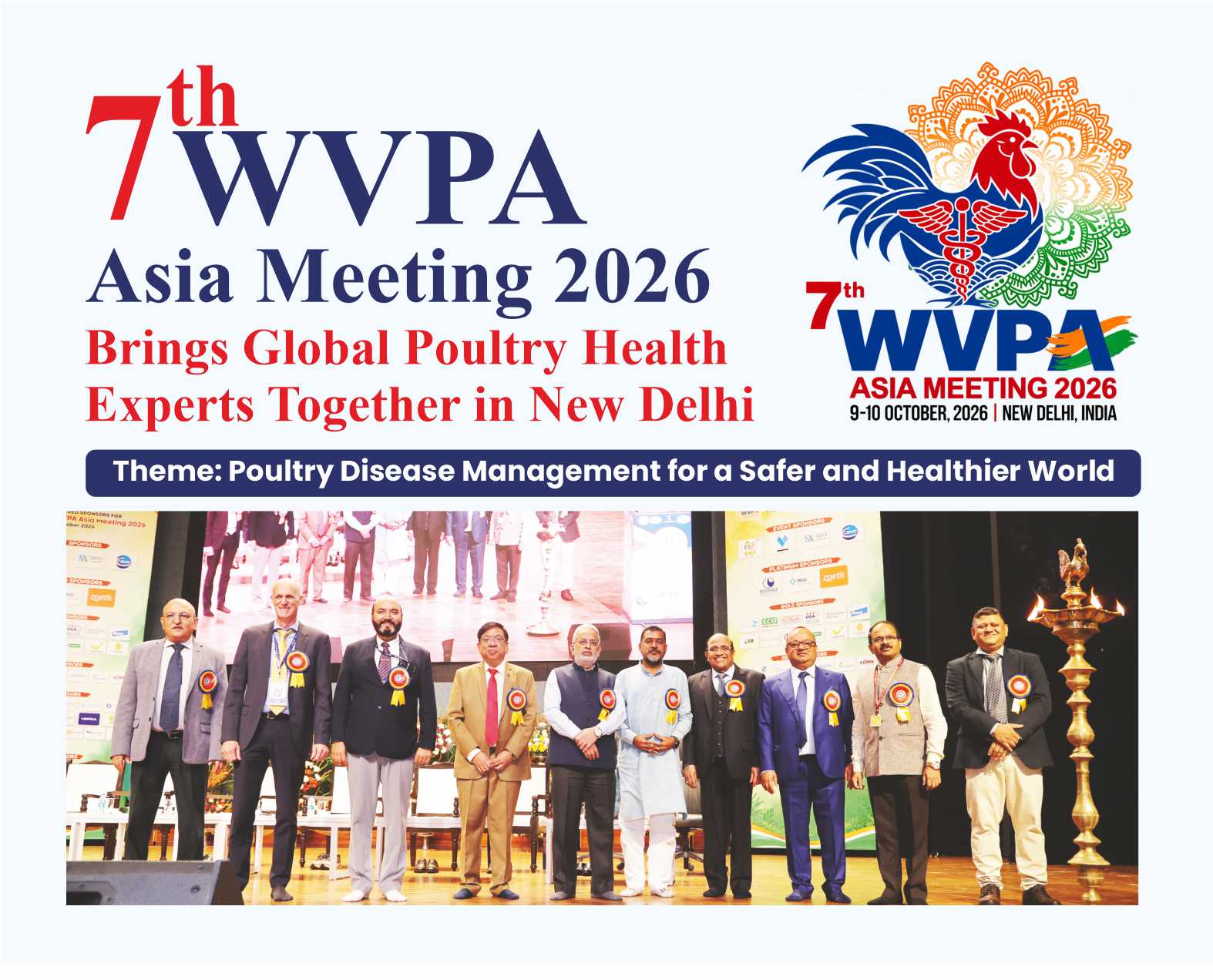
 The 7th WVPA Asia Meeting 2026 brought together 576 participants from India and abroad at the National Agricultural Science Complex (NASC), New Delhi, on 9–10 October 2026. Organised under the theme “Poultry Disease Management for a Safer and Healthier World,” the meeting provided an international platform for poultry scientists, veterinarians, industry leaders, policymakers, researchers and young professionals to exchange scientific knowledge and discuss practical approaches to strengthening poultry health, productivity, welfare and food safety.
A notable feature of the meeting was its commitment to inclusive scientific participation. A total of 83 travel grants were supported: 44 for participants from India through WVPA India and 39 international grants through WVPA Global. This support helped facilitate broader participation and scientific exchange, particularly among researchers and professionals seeking opportunities to engage with the international poultry health community.
The two-day scientific programme covered a broad range of topics, including poultry health management, emerging health challenges, vaccination and biologicals, diagnostics, antimicrobial resistance (AMR), nutrition, gut health, biosecurity, safe meat and egg production, poultry breeding and genetics, and the application of research to field-level challenges. The meeting also included a dedicated HPAI Vaccine Conference and an MSD Scientific Symposium on 8 October, followed by keynote lectures, parallel technical sessions, oral and poster presentations, industry interactions and a student and young scientist programme.
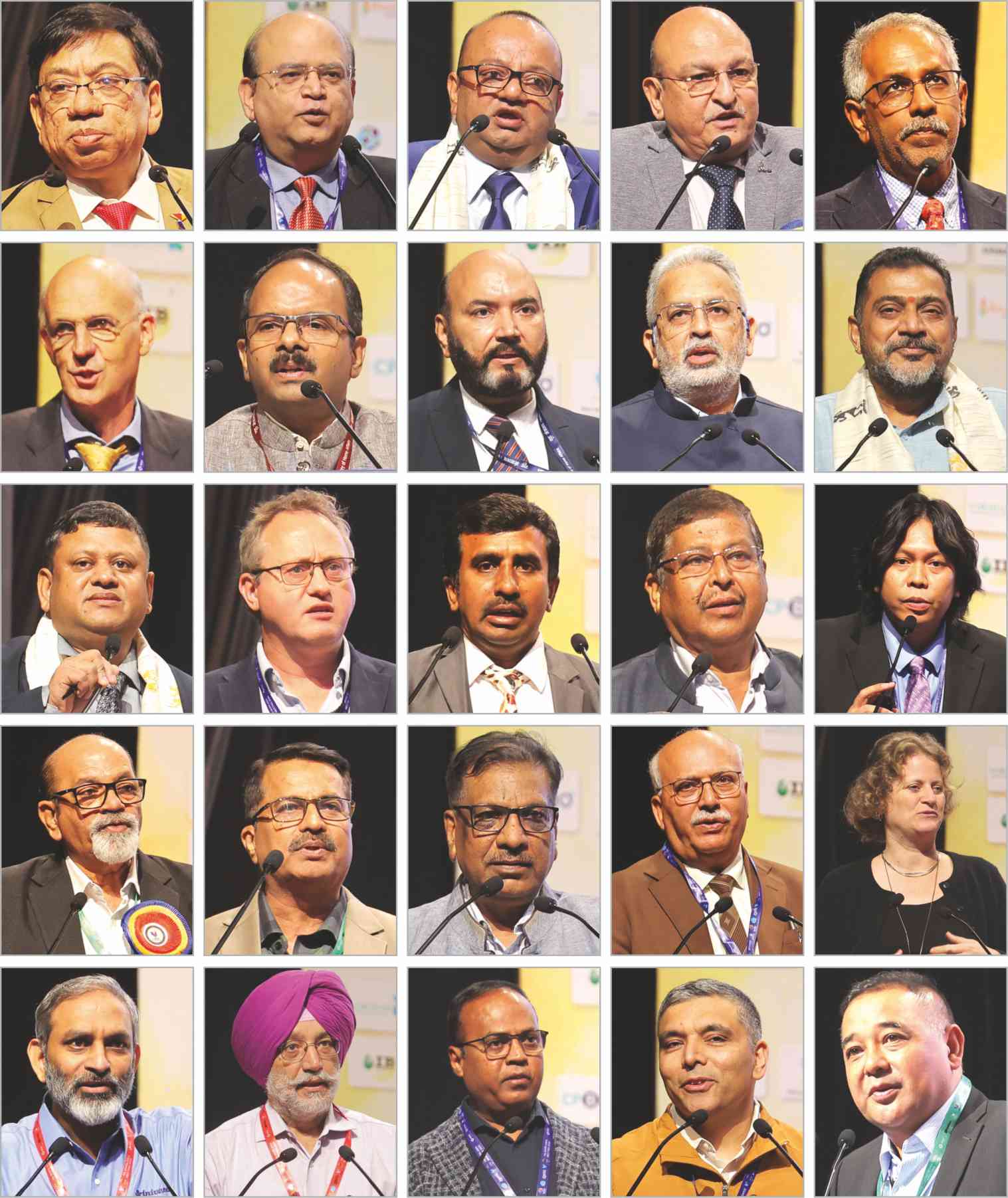
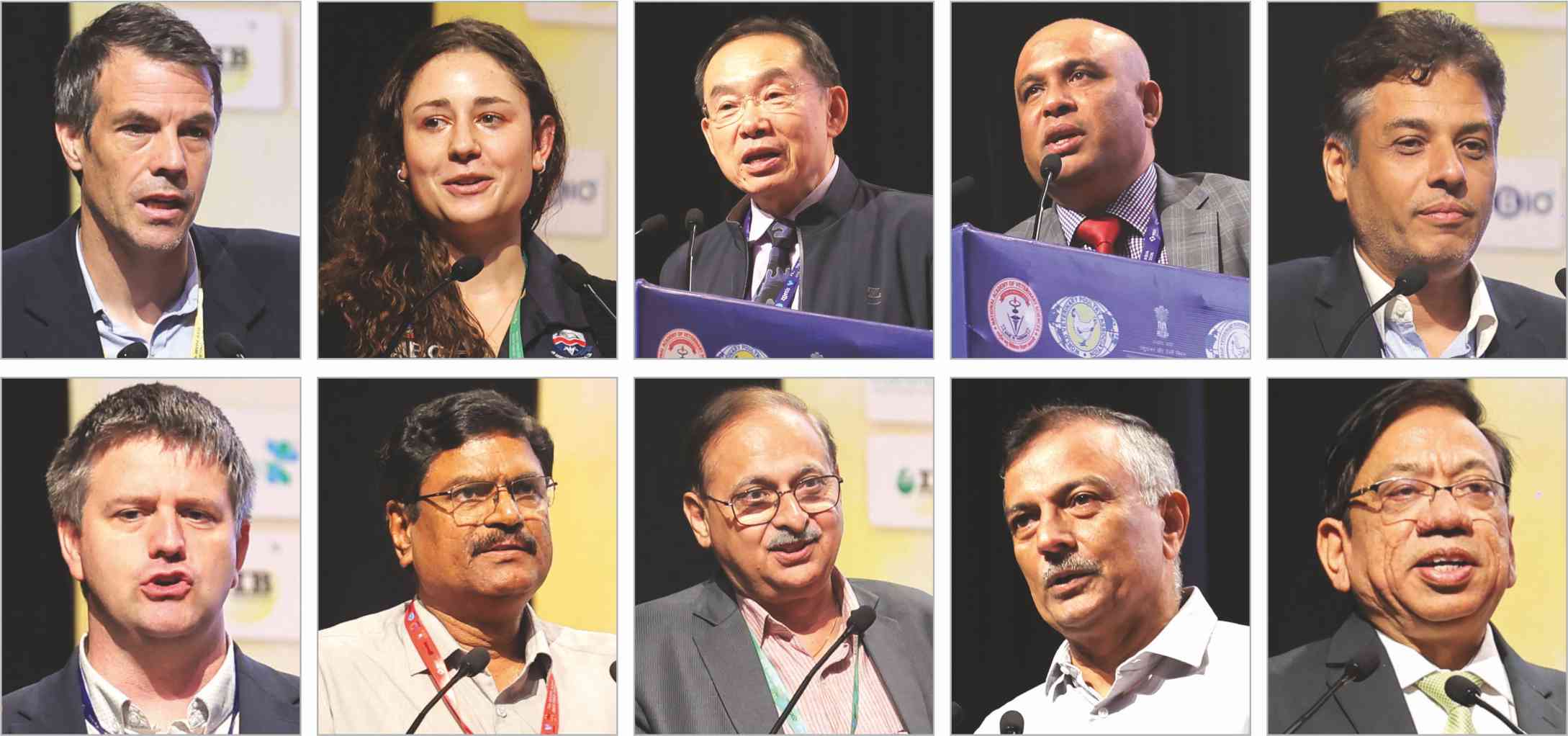
International participation and scientific leadership
The meeting featured experts from India and several other countries, bringing together perspectives from research institutions, universities, international organisations and the poultry industry. The programme included keynote lectures and scientific presentations by Prof. Venugopal Nair (United Kingdom), Prof. Ganapathy Kannan (United Kingdom), Prof. Damer Blake (United Kingdom), Dr. Dennis Umali (Philippines), Dr. Javier Uriarte (Spain), Dr. Robin Achari (Australia), Dr. Esther Schonewille (Germany), Dr. Insaaf Riahi (Spain), Dr. Gwenaelle Dauphin (France), Dr. Vijay Durairaj (USA), Prof. Ken Bufando (USA, as listed in the programme), Dr. Gounalan Pavade (WOAH, France), Dr. Marc Henninger (France), Dr. Teguh Yadiantara Prajitno (Indonesia), Dr. Steven Goh (Malaysia), Prof. Naola M. Furguson (USA, as listed in the programme), Dr. Indu Upadhyay (USA), Dr. Scott Dawson (Thailand), Dr. Dina Joardar (USA), Dr. Gunther Antonessen (Belgium), Dr. Vorachai Leethochawalit (Thailand) and Dr. Nuvee Prapasarakul (Thailand).
Indian speakers and experts included Dr. Nitin V. Kurkure, Dr. Sanjay Gavkare, Dr. Padma V. Devarajan, S. K. Malhotra, Prof. Sunil Nayak, Dr. Younis Ali, Dr. Avinash Dhawale, Dr. Anju Nayak, Dr. Sachin Patil, Dr. Nikita Deshmukh, Dr. R. Chanthirasekaran and Satinder Wahi, among others. The programme also brought together academic institutions, veterinary universities, research organisations, international bodies and poultry-sector stakeholders, underscoring the importance of collaboration across science, policy and industry.
Inauguration highlights the importance of collaboration
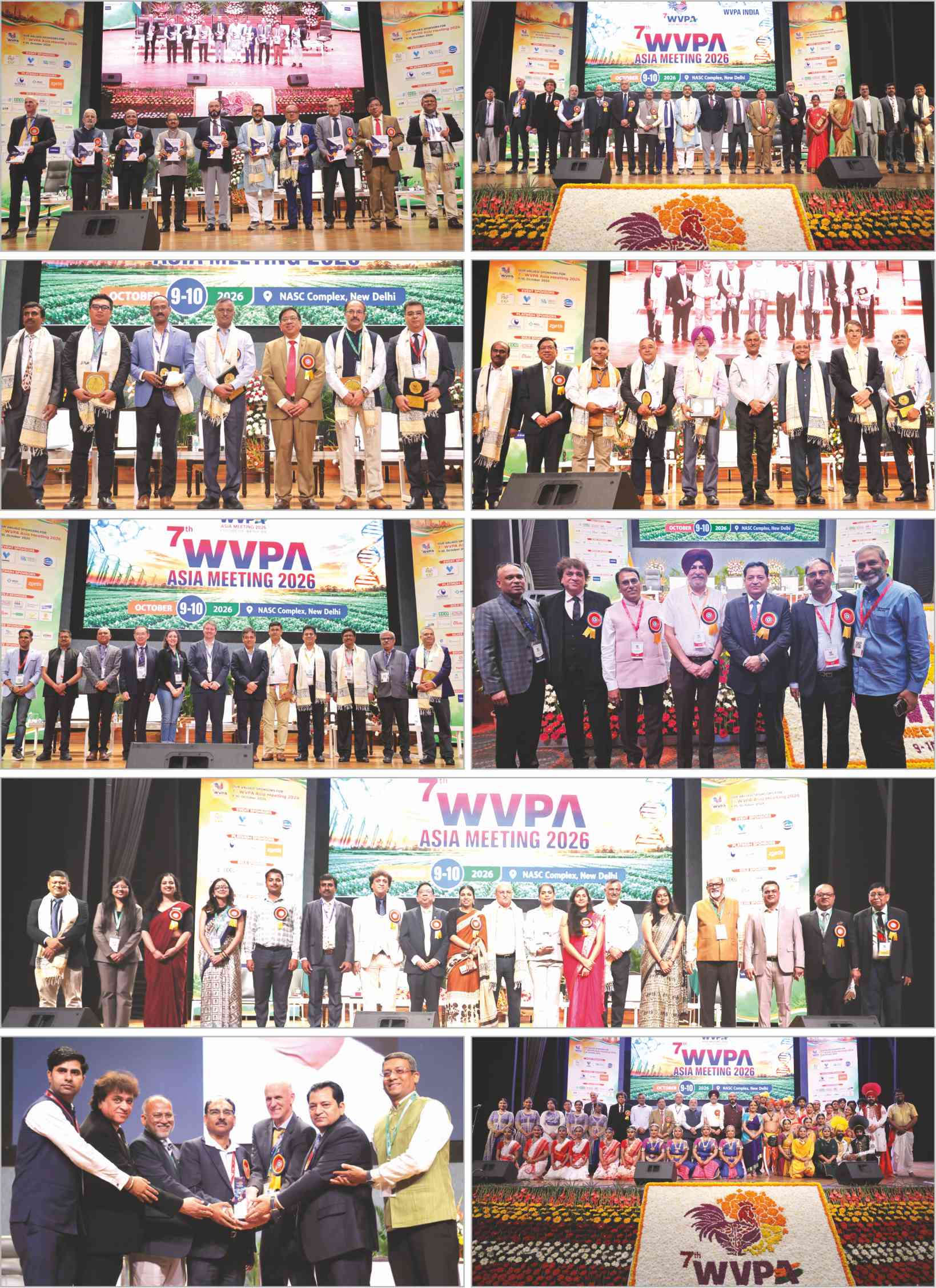
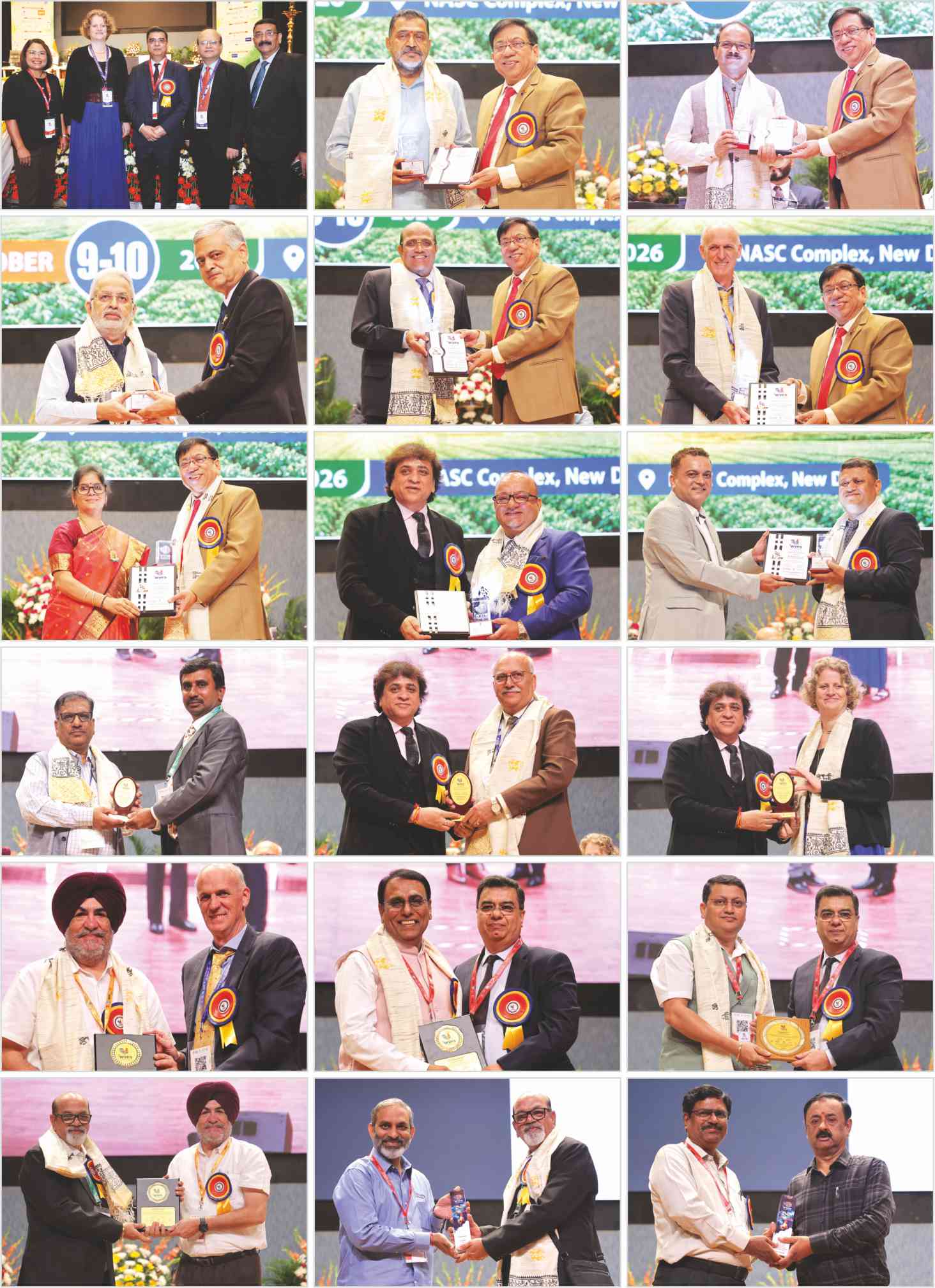
The inaugural programme brought together senior representatives from veterinary education, animal husbandry, research, professional organisations and the poultry sector. Dr. Naveena B. Maheshwarappa, Animal Husbandry Commissioner, Department of Animal Husbandry and Dairying, Government of India, was listed as the Chief Guest in the inaugural script. Other distinguished guests included Dr. D. V. R. Prakash Rao, President, National Academy of Veterinary Sciences (India); Dr. Umesh Chandra Sharma, President, Veterinary Council of India; Dr. Tarun Sridhar, IAS, former Secretary, Department of Animal Husbandry and Dairying; and Prof. Sjaak de Wit, President of the World Veterinary Poultry Association (WVPA).
The programme also acknowledged the participation of veterinary university leadership and representatives of research and industry, including Dr. Inderjeet Singh, Vice-Chancellor, Bihar Animal Sciences University; Dr. Niranjan Kalita, Vice-Chancellor, Assam Veterinary and Fishery University; Dr. J. P. S. Gill, Vice-Chancellor, Guru Angad Dev Veterinary and Animal Sciences University; Dr. Praveen Malik, Chief Executive Officer, Agrinnovate India Limited; Dr. Jeetendra Varma, President, WVPA India; Dr. Shirish Nigam, General Secretary, WVPA India; and Dr. Bichitra Barman, Joint Secretary, WVPA India.
The inaugural proceedings emphasised the value of sustained cooperation among veterinary scientists, public institutions, professional associations and industry in addressing the changing needs of poultry production and health management.
Keynote lectures: advancing prevention, surveillance and poultry health
The keynote session addressed important challenges in poultry health, with presentations examining Marek’s disease and other avian neoplastic diseases, avian metapneumovirus in chickens, and new challenges associated with coccidiosis and the improvement of performance and gut health.
The Houghton Trust Avian Pathology Lecture, delivered by Dr. Dennis Umali of the Philippines, focused on innovations in molecular epidemiology for poultry health management, covering the relationship between pathogen evolution and field interventions. The lecture highlighted the importance of integrating advanced molecular tools with field-based evidence to support informed prevention and control strategies. Across the programme, the emphasis was on moving beyond isolated interventions towards coordinated approaches that combine early detection, reliable diagnostics, appropriate vaccination, effective biosecurity, improved husbandry and evidence-based management. These approaches are important for reducing health risks, supporting flock performance and strengthening the resilience of poultry production systems.
Vaccines, biologicals and innovations in health management
Vaccination and biological interventions formed a major part of the scientific programme. The session on Innovations in Vaccines and Biologicals addressed vaccine technologies for avian influenza, including the transition from conventional vaccines to next-generation platforms. Other presentations examined the role of vaccine thermostabilisation, strategies for improving immunity in poultry, and the integration of diagnostics and research to support poultry health and production.
The dedicated HPAI Vaccine Conference held on 8 October provided an additional forum for discussion on vaccination and avian influenza management. Together, these sessions highlighted the importance of scientific innovation, appropriate vaccine selection, delivery systems, field evaluation and robust monitoring in developing effective poultry health programmes.
The programme also included a presentation on recombinant HVT technology in India, focusing on indigenous innovation and its contribution to poultry protection. Targeted drug delivery for animal healthcare and nutraceutical approaches to selected pathological conditions were among the other areas discussed.
Antimicrobial resistance and alternatives to antibiotic growth promoters
Antimicrobial resistance was a prominent topic at the meeting. The scientific programme explored alternatives to antibiotic growth promoters (AGPs), the use of feed additives, and strategies to support gut health and flock performance while promoting responsible antimicrobial use.
Presentations examined nucleotides as feed additives and alternatives to antibiotic growth promoters, nutraceutical approaches, immunotherapy, and the contribution of nutrition and management to poultry health. Discussions across the programme reinforced the importance of combining sound husbandry, vaccination, biosecurity, nutrition, diagnostics and responsible antimicrobial practices rather than relying on any single intervention.
The AMR-focused discussions also aligned with the broader One Health approach, recognising that the responsible use of antimicrobials and the management of health risks in food-producing animals are relevant to animal health, public health and environmental stewardship.
Nutrition, Gut health and Sustainable poultry production
Nutrition and gut health featured prominently in the technical sessions. Topics included sustainable nutrition and alternative feed ingredients, mycotoxins in poultry production, good husbandry practices for safe poultry production in South Asia, postbiotic nutrition pathways, and the relationship between nutrition, immunity and performance.
Speakers discussed the potential of postbiotics and feed-based interventions to support measurable improvements in poultry performance. Other presentations examined the effects of immunosuppression on vaccination success, automated monitoring of broiler health and welfare, and emerging tools for understanding physiological changes in production birds. These discussions reflected a growing emphasis on integrated flock management, in which nutritional strategies, welfare, biosecurity and preventive health measures are considered together. The programme also addressed poultry breeding and genetics, climate change and water resource management, recognising that resilient production systems require attention to both biological performance and environmental sustainability.
Advancement in Safe Meat and Egg Production
The Advancement in Safe Meat and Egg Production session focused on food safety and the management of health risks throughout poultry production. Topics included the control of resistant zoonotic Salmonella at farm level, approaches to poultry safety before and after harvest, and the contribution of improved production practices to safer poultry products. The session reinforced the importance of integrating farm-level prevention, sound husbandry, hygiene and biosecurity with food safety measures to protect consumers and strengthen confidence in poultry products.
Nutritional, Parasitic, Immunosuppressive and Metabolic Health
The session on Nutritional, Parasitic, Immunosuppressive and Metabolic Diseases examined the complex interactions among nutrition, immunity, parasitic challenges and metabolic health in poultry. It provided a forum for research presentations addressing factors that influence bird health, productivity and reproductive performance. The session emphasised the importance of integrated management strategies that consider nutrition, immune function, health monitoring and production conditions together.
Poultry Breeding and Genetics
The Poultry Breeding and Genetics session addressed research and innovation relevant to genetic improvement and sustainable poultry production. Oral presentations provided a platform for sharing scientific findings in this area, highlighting the importance of continued research in breeding strategies and the development of productive, resilient poultry populations.
Climate Change and Water Resource Management
Climate change and water resource management were also represented in the scientific programme and poster presentations. These topics broadened the meeting’s focus beyond immediate flock health to include environmental conditions and resource management as important considerations for sustainable poultry production.
The inclusion of this theme recognised the need for poultry systems to respond to changing environmental pressures while maintaining production efficiency, bird welfare and food safety.
One Health, Biosecurity and Food safety
The meeting’s scientific scope extended beyond flock-level health to include safe meat and egg production, zoonotic risks, surveillance, biosecurity and One Health. Presentations addressed the control of zoonotic Salmonella, poultry safety from pre-harvest to post-harvest, and the use of good husbandry practices to support safe production.
A dedicated session on disease surveillance, One Health and biosecurity provided a forum for considering coordinated approaches to emerging health challenges. The programme also included discussion of high pathogenicity avian influenza and international standards and tools for prevention and control, alongside presentations on avian mycoplasmosis and coccidiosis management.
The panel discussion titled “One Health, One Poultry: Integrating Academics, Industry and Policy for a Disease-free Future” brought the importance of cross-sectoral collaboration into focus. It highlighted the need to connect research findings with practical implementation and policy decisions, while recognising that poultry health, food safety, public health and environmental considerations are closely linked.
Research translation, young scientists and scientific communication
Oral and poster presentations enabled researchers to share findings across multiple scientific themes, including emerging poultry health challenges, AMR and AGP alternatives, sustainable nutrition, vaccines and biologicals, safe meat and egg production, gut health, surveillance and biosecurity, and poultry breeding and genetics.
The student and young scientist programme, together with the Avian Pathology authors’ session, supported early-career researchers and encouraged engagement with scientific publishing and communication. A dedicated session on publishing in the WVPA journal Avian Pathology offered a further opportunity to connect research development with the dissemination of scientific knowledge.
The breadth of the programme demonstrated the value of providing researchers with opportunities not only to present their work but also to interact with experienced scientists, industry specialists and international experts. The travel-grant support provided through WVPA India and WVPA Global added an important dimension to this effort by enabling wider participation.
Industry engagement and the way forward
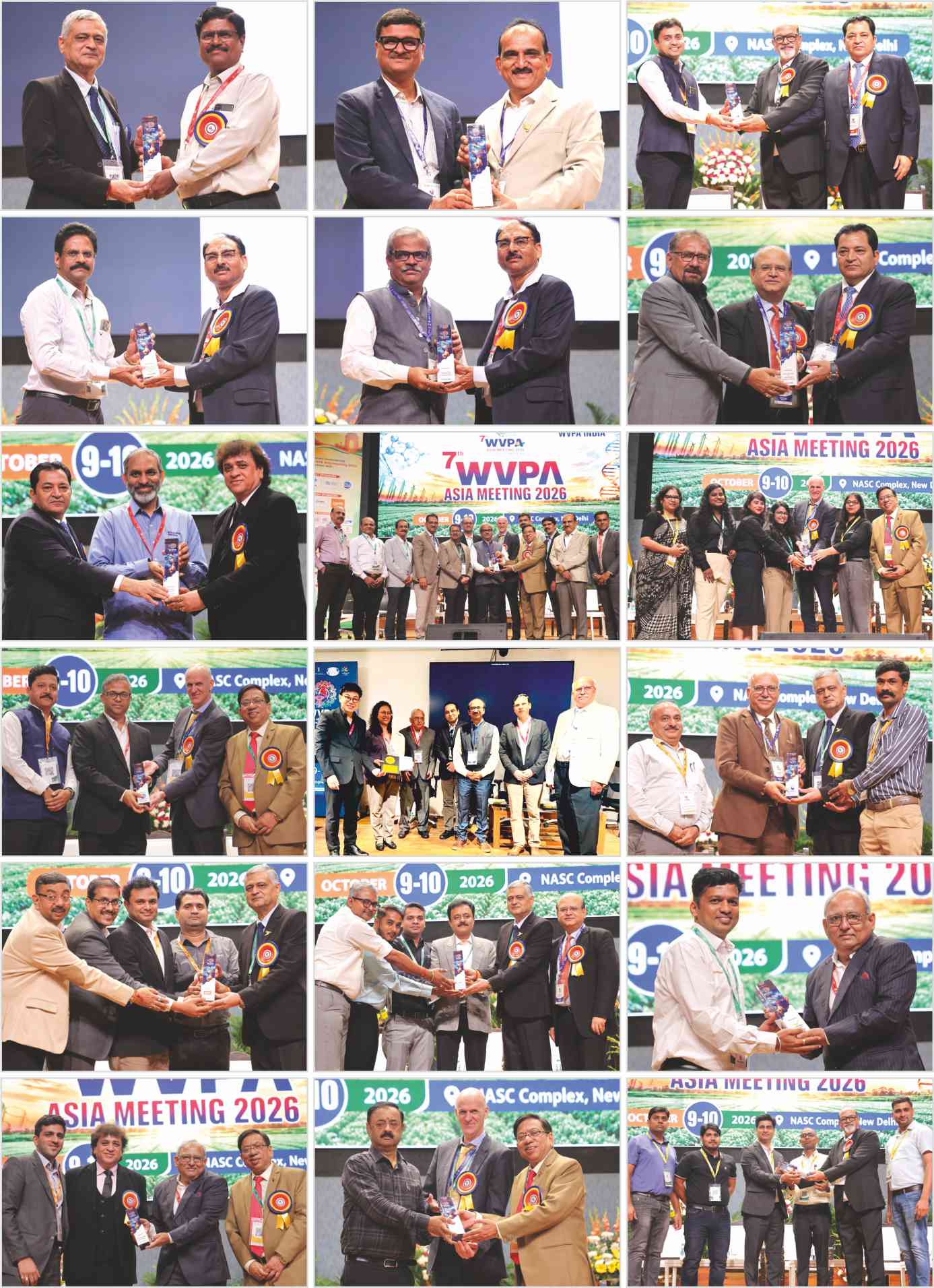
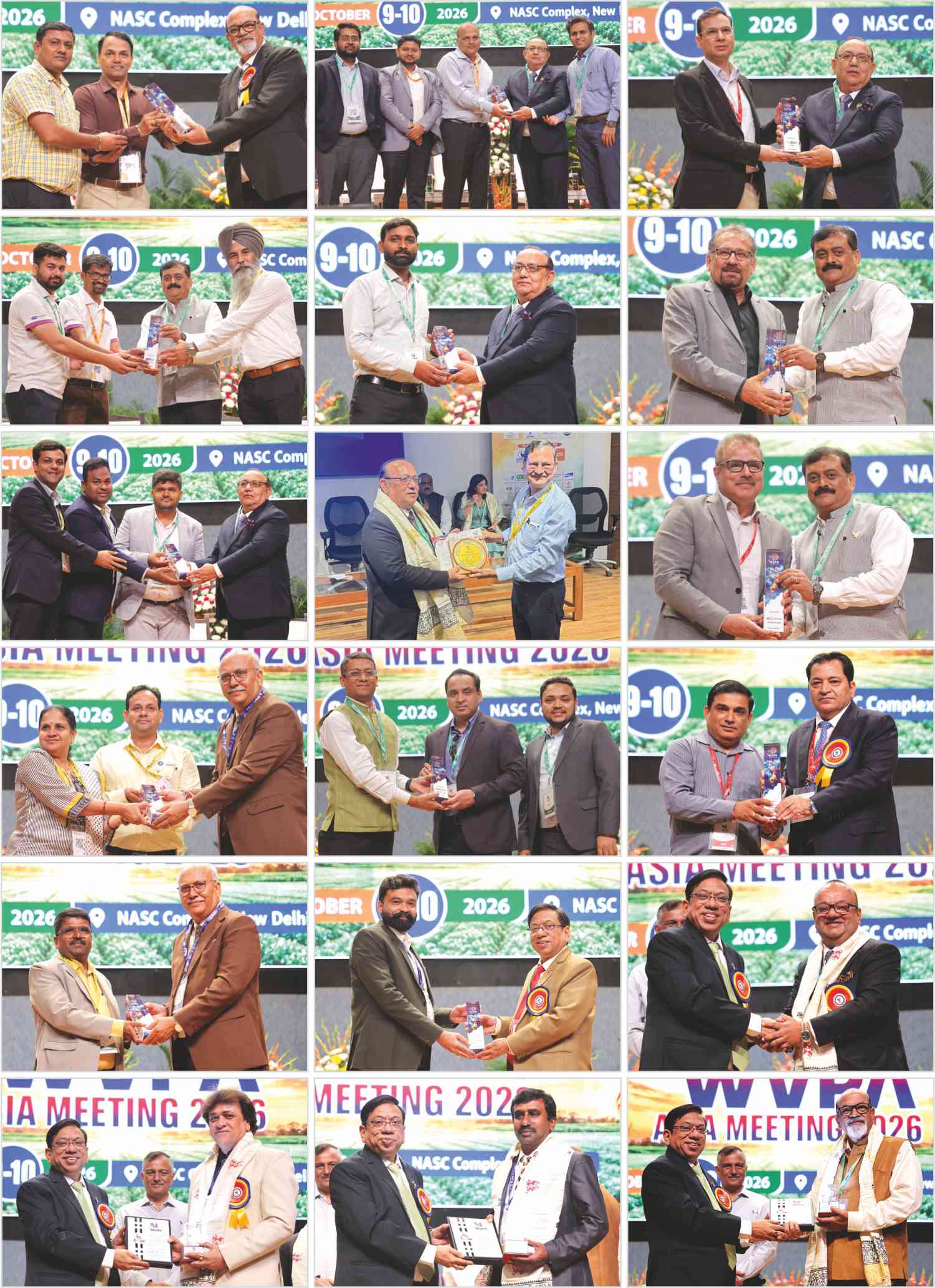
The meeting included industry-focused interactions, sponsor recognition and presentations addressing technological developments and practical needs in poultry production. Contributions from industry leaders and technical specialists complemented the academic programme, supporting dialogue on how scientific advances can be translated into workable solutions for poultry farms and production systems.
The discussions across the meeting pointed towards several shared priorities: strengthening surveillance and diagnostic capacity; improving vaccination strategies and biosecurity; promoting responsible antimicrobial use; investing in nutrition and gut health; supporting safe meat and egg production; encouraging research and innovation; and building stronger links between veterinary institutions, public agencies and the poultry industry.
The meeting also underscored the importance of international scientific networks in responding to emerging and cross-border health challenges. Continued collaboration among researchers, professional associations, policymakers and industry stakeholders can help accelerate the translation of evidence into practical interventions, improve preparedness and support sustainable poultry production.
A platform for global scientific exchange
With 576 participants and 83 travel grants—44 supported by WVPA India and 39 by WVPA Global—the 7th WVPA Asia Meeting 2026 provided a significant forum for scientific exchange and professional engagement in poultry health. The combination of international expertise, technical sessions, research presentations and industry participation strengthened the meeting’s role as a platform for collaboration across disciplines and regions.
The meeting concluded on 10 October 2026 with a valedictory and closing ceremony, bringing the scientific programme to a close and recognising the contributions of speakers, session chairs, researchers, sponsors, organisers and participants.
By bringing together science, field experience and industry perspectives, the 7th WVPA Asia Meeting 2026 reinforced the need for integrated, evidence-based approaches to poultry health and production. Its central message was clear: improving poultry health and welfare, protecting food safety, addressing antimicrobial resistance and strengthening biosecurity require sustained collaboration across veterinary science, industry, policy and the wider One Health community.
The WVPA India team, under the leadership of Dr. Jeetendra Varma, President, played a pivotal role in organising the 7th WVPA Asia Meeting 2026. The team including Vice-Presidents Dr. Ajit S. Ranade, Dr. Pankaj K. Shukla and Dr. Shailendra Das; Dr. Shirish Nigam, General Secretary; Dr. Bichitra Barman, Joint Secretary-cum-PRO; Dr. P. G. Phalke, Treasurer; and Executive Members Dr. Dinesh K. Arora, Dr. D. Nagalakshmi and Dr. V. Gowthaman significantly contributed to the success of this important scientific gathering.