

 Introduction
Modern poultry production demands exceptional growth, feed efficiency, and productivity. While advances in genetics, nutrition, and management have helped achieve these goals, they have also placed greater metabolic pressure on the liver the primary organ responsible for regulating nutrient utilization, fat metabolism, and energy production. To support hepatic function and prevent excessive fat accumulation, synthetic choline chloride (SCC) has long been incorporated into poultry diets due to its essential role in lipid transport and metabolism.
However, despite its widespread use, SCC presents several practical challenges, including its highly hygroscopic nature, reduced feed stability, accelerated degradation of certain vitamins, and the formation of trimethylamine (TMA) during microbial metabolism. These limitations, coupled with the industry’s growing focus on efficiency, sustainability, and precision nutrition, have driven the search for more advanced nutritional solutions.
Why Liver Health Matters More Than Ever
In poultry, the liver is the primary site of lipogenesis, accounting for nearly 80–85% of total fatty acid synthesis. Every day, it coordinates the conversion of nutrients into energy, regulates lipid metabolism, synthesizes proteins, and supports numerous physiological functions essential for growth and production. When lipid metabolism becomes impaired, triglycerides accumulate within liver cells, leading to excessive fat deposition, poor feed utilization, reduced growth performance, and an increased risk of fatty liver conditions. These metabolic disturbances can significantly impact both biological efficiency and economic returns. Consequently, maintaining optimal liver function is no longer viewed merely as a health objective; it has become a key driver of productivity and profitability in modern poultry production.
Kolin Plus® : A New Generation Phytogenic Solution
Developed as a scientifically validated phytogenic alternative to synthetic choline chloride, Kolin Plus® represents a new approach to metabolic nutrition. Rather than functioning solely as a nutrient replacement, Kolin Plus® supports liver health and fat metabolism through multiple interconnected biological pathways. Formulated from carefully selected botanical ingredients rich in bioactive compounds, Kolin Plus® works by influencing key metabolic processes involved in lipid synthesis, fat mobilization, fatty acid oxidation, and energy utilization. This multi-pathway mode of action enables the bird to utilize nutrients more efficiently while supporting optimal hepatic function. Backed by transcriptomic research and performance validation studies, Kolin Plus® exemplifies the shift from conventional nutrient supplementation to scientifically driven metabolic optimization.
A Transcriptomic Window into Poultry Metabolism
One of the most exciting developments in animal nutrition has been the application of transcriptomics to understand how dietary interventions influence biological functions.
Transcriptomics enables researchers to evaluate thousands of genes simultaneously and identify the molecular pathways affected by nutritional interventions. To unravel the molecular basis of Kolin Plus® activity, liver gene expression profiling was conducted in broilers challenged with choline-deficient diets. The analysis identified key genes and signaling pathways involved in lipid synthesis, mobilization, oxidation, and overall hepatic lipid regulation. The gene expression patterns were studied for four groups normal diet: normal, choline chloride deficient, Kolin Plus®, and CCL using microarray on day 42. The hierarchical cluster analysis was carried out on 12,614 differentially expressed genes (DEGs) with a similar expression.
Regulating Fat Synthesis at Its Source
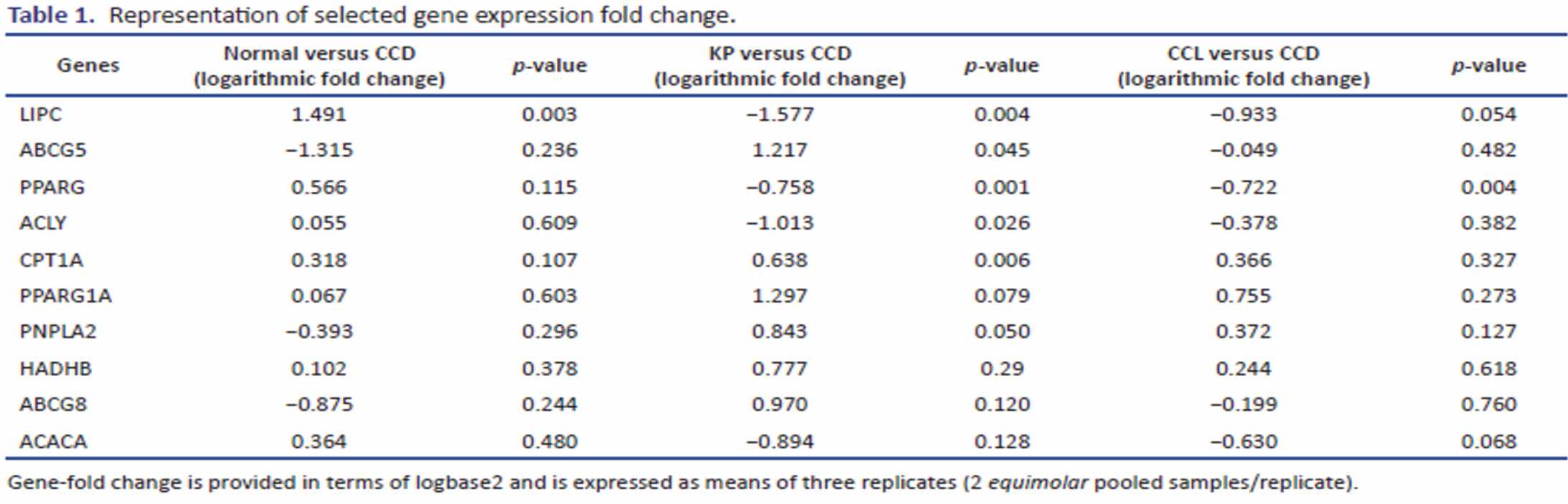
One of the most significant findings from transcriptomic research was the modulation of genes involved in hepatic fat synthesis. Key genes associated with lipogenesis—including PPARG, ACACA, ACLY, and LIPC were regulated in a manner that supports healthier lipid metabolism. These genes play important roles in: Fatty acid synthesis, Triglyceride accumulation, Lipid storage, Hepatic lipid regulation. By influencing these pathways, Kolin Plus® helps create a metabolic environment that favours efficient nutrient utilization while reducing excessive fat deposition within the liver. (Table 1, Fig1)
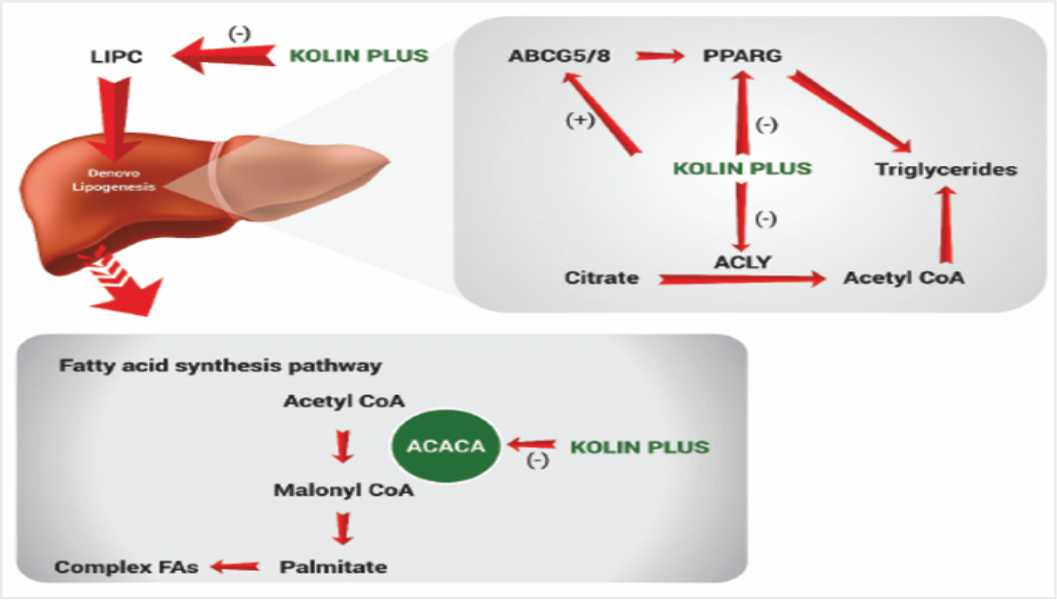 Figure 1. Effect of KP on gene expression related to de novo lipogenesis.
Activating the Fat-Burning Machinery
While reducing fat synthesis is important, optimal metabolic health also requires efficient utilization of stored fats. The transcriptomic analysis revealed enhanced expression of genes associated with fatty acid oxidation, including: CPT1A, PPARGC1A, HADHB, PNPLA2
These genes are directly involved in transporting fatty acids into mitochondria and converting them into usable energy through β-oxidation. In practical terms, this means the bird becomes more efficient at utilizing dietary energy rather than storing it as excess fat.
Further studies demonstrated increased circulating levels of L-carnitine in supplemented birds.
L-carnitine serves as the transport system that carries long-chain fatty acids into mitochondria, where they are oxidized to generate energy. Improved L-carnitine status has been associated with:
– Enhanced fat utilization
– Reduced carcass fat deposition
– Improved energy efficiency
– Better production performance
This finding provides an important physiological link between molecular changes and measurable production outcomes. ((Table 1, Fig 2)
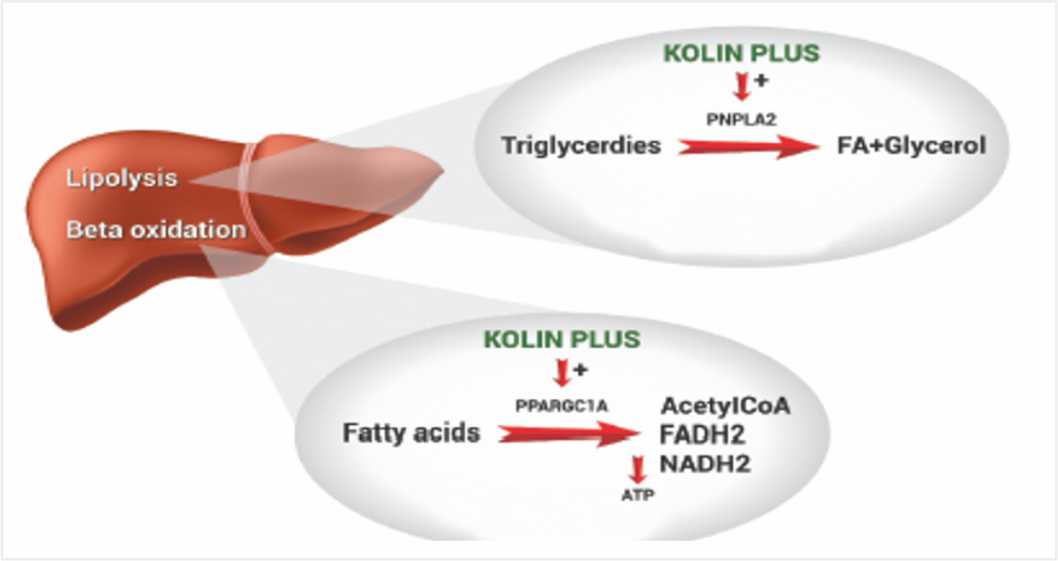 Fig 2: Effect of KP on catabolism of lipids (lipolysis and beta-oxidation of fatty acids.
From Molecular Science to Farm Performance
The true value of any nutritional intervention lies in its ability to improve on-farm performance.
Research Studies has demonstrated benefits including:
– Improved body weight gain
– Better feed conversion ratio (FCR)
– Reduced fat accretion
– Enhanced livability
– Improved European Production Index (EPI)
These improvements reflect the practical impact of optimizing lipid metabolism and liver function. Rather than acting as a simple replacement for choline, this approach supports multiple interconnected pathways that collectively improve metabolic efficiency.
Sustainability Through Better Metabolism
Modern poultry production increasingly demands solutions that are not only effective but also sustainable. Improved lipid utilization means more dietary energy is directed toward productive purposes rather than being lost through inefficient metabolism.
This can contribute to:
– Better feed efficiency
– Lower resource utilization
– Reduced environmental impact
– Improved economic sustainability
As the industry continues to pursue precision nutrition and sustainable production systems, metabolic optimization will play an increasingly important role.
Conclusion
The future of poultry nutrition is moving beyond simple nutrient supplementation toward a deeper understanding of how nutrition influences biological systems. Advances in transcriptomics and nutrigenomics have shown that phytogenic technologies can regulate gene expression, optimize lipid metabolism, support mitochondrial function, and enhance metabolic efficiency.
By influencing key pathways involved in fat synthesis, lipid transport, and fatty acid oxidation, these next-generation nutritional solutions help improve liver health, nutrient utilization, and production performance. Kolin Plus®, backed by transcriptomic validation and performance studies, exemplifies this scientific approach by supporting metabolic health through multiple biological pathways rather than functioning as a conventional choline replacement alone.
As the poultry industry continues to focus on efficiency, profitability, and sustainability, scientifically validated phytogenic solutions such as Kolin Plus® are redefining metabolic management and shaping the future of precision poultry nutrition.