

FERMNUTRAL: A POSTBIOTIC INNOVATION TO MAXIMIZE GUT HEALTH AND EFFICIENCY IN POULTRY PRODUCTION
Gut Health: The Key to Modern Poultry Production
The expression of the genetic potential of poultry largely depends on intestinal health. The gastrointestinal tract houses nearly 70% of the immune cells and constitutes the primary barrier against enteric pathogens. However, during the early stages of life, immune immaturity increases susceptibility to infections and microbiota imbalances, particularly under intensive production systems.
Traditionally, antibiotic growth promoters (AGPs) have been used to improve productive performance and reduce health-related challenges. However, their continuous use has been associated with antimicrobial resistance, intestinal dysbiosis, and concerns regarding food safety and public health.
In this context, postbiotics have emerged as a sustainable alternative. They are defined as preparations of inanimate microorganisms and/or their bioactive components, including short-chain fatty acids, bacteriocins, exopolysaccharides, peptides, and cell
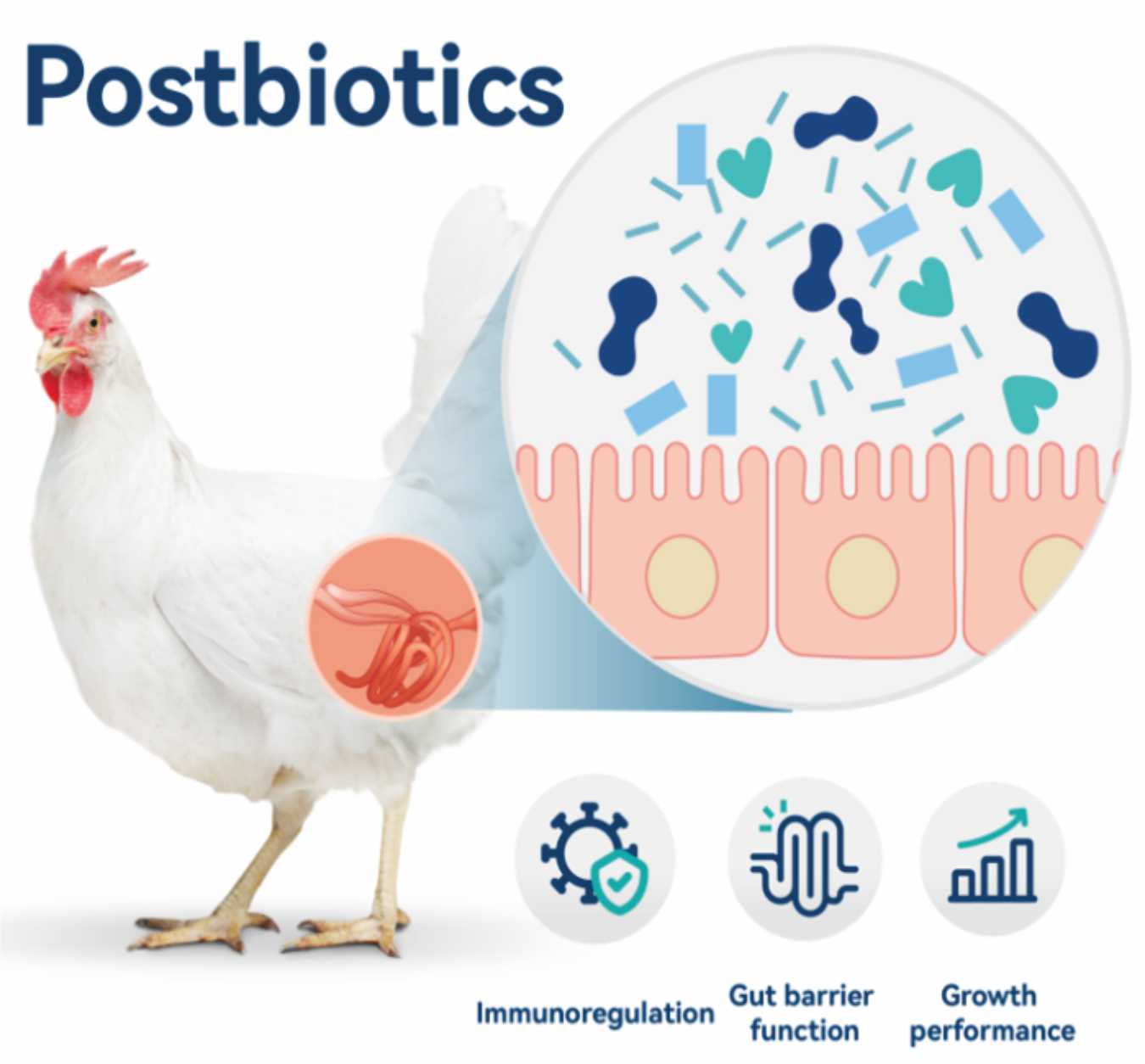
wall fragments. Unlike probiotics, postbiotics offer greater stability, safety, and consistency, making them an effective alternative to AGPs (Zhong et al., 2022).
Postbiotics vs. Probiotics: A Real Competitive Advantage
The probiotics most commonly used in poultry production, such as Lactobacillus spp. and spore-forming Bacillus spp., present certain limitations when compared with postbiotics.
Lactobacillus species are heat-sensitive microorganisms; therefore, their survival during feed pelleting and storage may be compromised. In addition, factors such as chlorination of drinking water can reduce their viability and, consequently, their biological efficacy.
In contrast, Bacillus spp. exhibit high resistance to elevated temperatures due to spore formation. However, their beneficial effects may depend on successful intestinal germination and on the physiological and microbiological conditions of the host. Furthermore, these bacteria do not permanently colonize the gastrointestinal tract, meaning that their biological impact may depend on continuous administration through feed or drinking water.
Postbiotics exhibit high stability during feed processing and storage, as well as in chlorinated drinking water, because they do not rely on cell viability. Moreover, their bioactive compounds can exert their effects immediately upon ingestion, without requiring germination or intestinal colonization. This allows for a faster, more reproducible, and more consistent response (De Marco et al., 2018).
FermNutral: Bioactive Profile of a Full-Spectrum Postbiotic
FermNutral is a postbiotic developed and manufactured by CPBIO through the controlled biological fermentation of the Clostridium butyricum CPBIO3000 strain using natural raw materials. (Figure1)
The product is supplied as granules with demonstrated stability at temperatures exceeding 80°C (simulating the feed pelleting process). The recommended inclusion rate for poultry is 300–500 g/t of feed. FermNutral is produced under FAMI-QS, FDA-cGMP, and ISO 9001/14001/18001 certifications, which have been maintained since 2001.
FermNutral contains a diverse range of bioactive compounds generated during the fermentation process, including teichoic acids, lipoteichoic acids, butyricin, antimicrobial peptides, and exopolysaccharides.
Within its short-chain fatty acid (SCFA) fraction, butyric acid represents approximately 40% of the total SCFAs. Other SCFAs are present at lower concentrations, including acetic acid (21.6 mg/kg) and propionic acid (81.6 mg/kg).
The vitamin fraction includes vitamin E (13.9 IU/kg), vitamin B1 (17.2 mg/kg), vitamin B2 (5.08 mg/kg), vitamin B5 (57.3 mg/kg), vitamin B6 (98.3 mg/kg), vitamin B12 (0.34 mg/kg), folic acid (30.9 mg/kg), and vitamin K3 (1.97 mg/kg). The mineral profile provides calcium (15.2%), total phosphorus (0.76%), iron (760 mg/kg), zinc (42 mg/kg), magnesium (3,600 mg/kg), and chromium (11.67 mg/kg). Additionally, FermNutral contains 17 amino acids, including glutamic acid (1.37%), alanine (0.59%), valine (0.46%), leucine (0.50%), and lysine (0.29%). Altogether all amino acids are between 10-12% in product.
This unique combination of bioactive metabolites, nutrients, vitamins, minerals, and amino acids supports intestinal integrity, microbial balance, immune function, and productive performance in poultry.
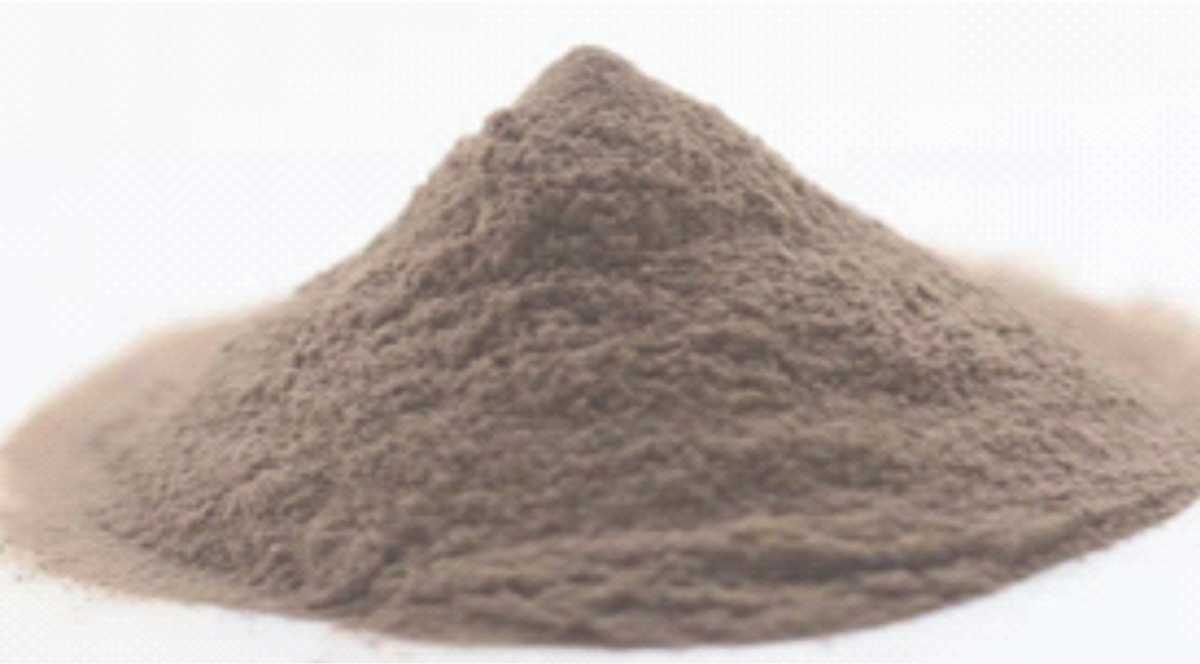
Figure 1: A postbiotic product derived from biological fermentation of Clostridium butyricum CPBIO3000 using natural raw materials
FermNutral: Bioactive Compounds
FermNutral contains a wide range of bioactive compounds generated during the fermentation process, with butyric acid being the predominant short-chain fatty acid (SCFA), representing approximately 40% of the product. Butyrate serves as a major energy source for enterocytes and promotes epithelial renewal, mucin synthesis, and the expression of tight junction proteins. These effects contribute to maintaining intestinal barrier integrity and reducing intestinal permeability.
In addition, butyrate exhibits immunomodulatory and anti-inflammatory properties through its ability to regulate epigenetic processes, promote goblet cell differentiation, and stimulate the activation of regulatory T lymphocytes. It may also enhance intestinal serotonin release, which has been associated with the gut-brain axis and productive performance. Acetic and propionic acids complement these effects by regulating the intestinal environment and inhibiting undesirable microorganisms.
FermNutral also provides teichoic acids and lipoteichoic acids, which are recognized by Toll-like receptor 2 (TLR-2) on the intestinal mucosa. These components modulate both innate and adaptive immune responses, promoting a balance between immune defense and tolerance while helping to control intestinal inflammation (Pasquina et al., 2013; Muhammad et al., 2021).
Furthermore, FermNutral supplies butyricin (a bacteriocin), bioactive peptides, and antimicrobial peptides produced during fermentation, which contribute to the control of undesirable microorganisms and the modulation of intestinal microbiota. Exopolysaccharides are also present and have been reported to stimulate secretory IgA production and strengthen the mucosal barrier. In addition, the product’s vitamin and mineral profile acts synergistically to support immune function, antioxidant status, intestinal integrity, and productive performance.
FermNutral in poultry production
Several experiments conducted in China and Thailand have demonstrated the efficacy of FermNutral in poultry production. In a study at Guizhou University (China) comparing a control diet with additives such as FermNutral, Clostridium butyricum, protected sodium butyrate, and tributyrin in broiler chickens, the postbiotic (FermNutral) was confirmed to improve weight gain (+13%) and reduce feed conversion ratio (-11.68%) compared with the control and other experimental treatments.
In addition, another experiment carried out in a commercial broiler farm in China found that FermNutral reduced the feed conversion ratio (1.73 vs 1.77) and improved viability (+1.94) and the European Production Efficiency Factor (EPEF; 338.70 vs 315.30) in relation to the control diet.
Likewise, in a commercial broiler farm in Thailand, the use of FermNutral increased weight gain (+4.2%) and EPEF (+11.70%) and reduced feed conversion ratio (-7.69%). Furthermore, other trials conducted at Guizhou University (China) showed that FermNutral increased villus height in the duodenum (+9%), jejunum (+4%), and ileum (+8%), and improved the villus height to crypt depth ratio (V/C) in the duodenum (6.92 vs 6.27) and jejunum (5.71 vs 5.04).
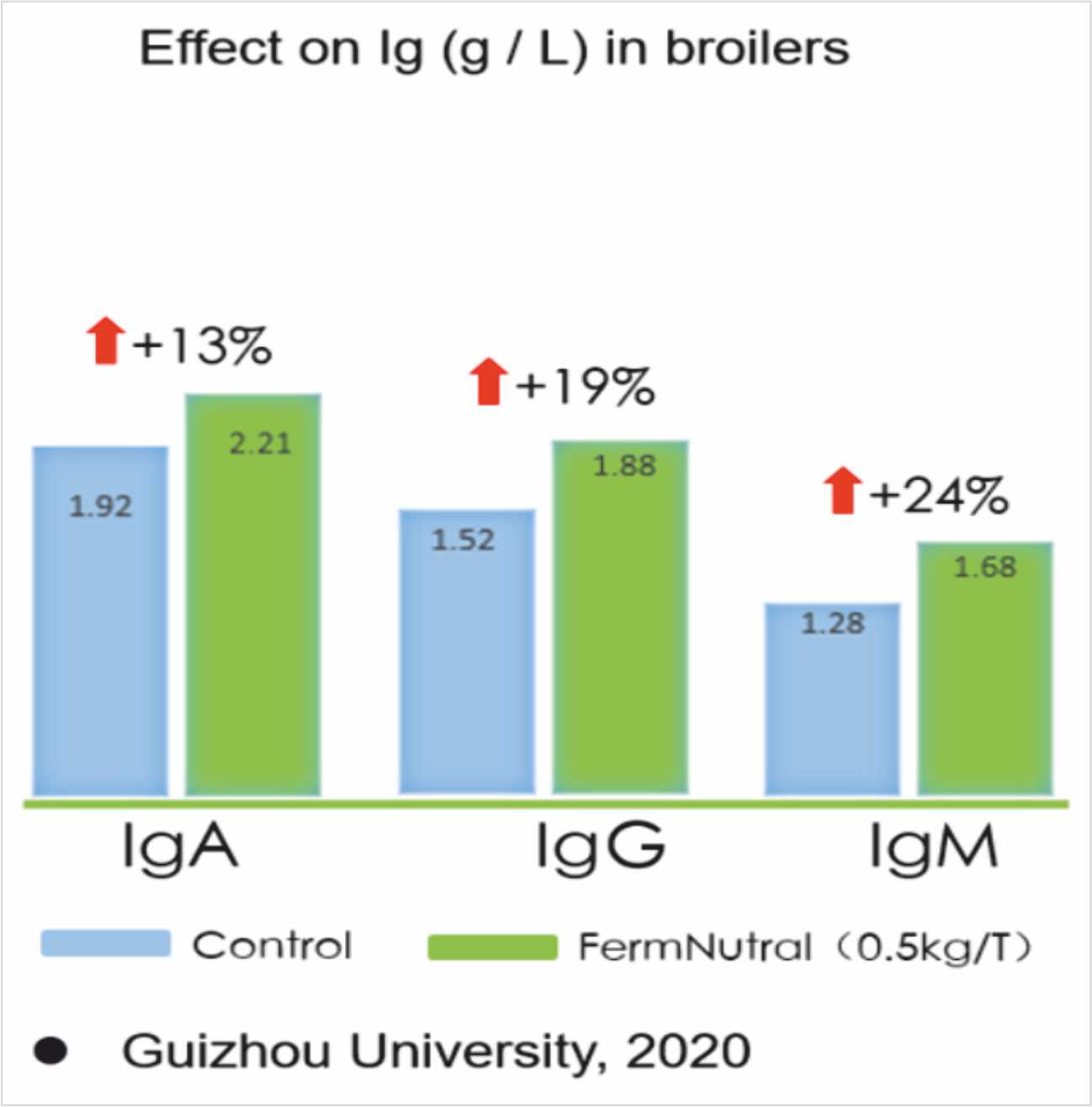
Figure 3 : FermNutral effect on Immunoglobulins
Additional results from this experiment reported that FermNutral decreased the population of Escherichia coli in the duodenum (0.014 vs 0.234) and jejunum (0.0004 vs 0.013). Moreover, it promoted the growth of Lactobacillus in different intestinal segments, as determined by the relative abundance of microorganisms through 16S rDNA sequencing. (Figure 2) Finally, the inclusion of FermNutral in the diet improved the concentration of IgA (+13%), IgG (+19%), and IgM (+24%) compared with the control diet. (Figure 3)
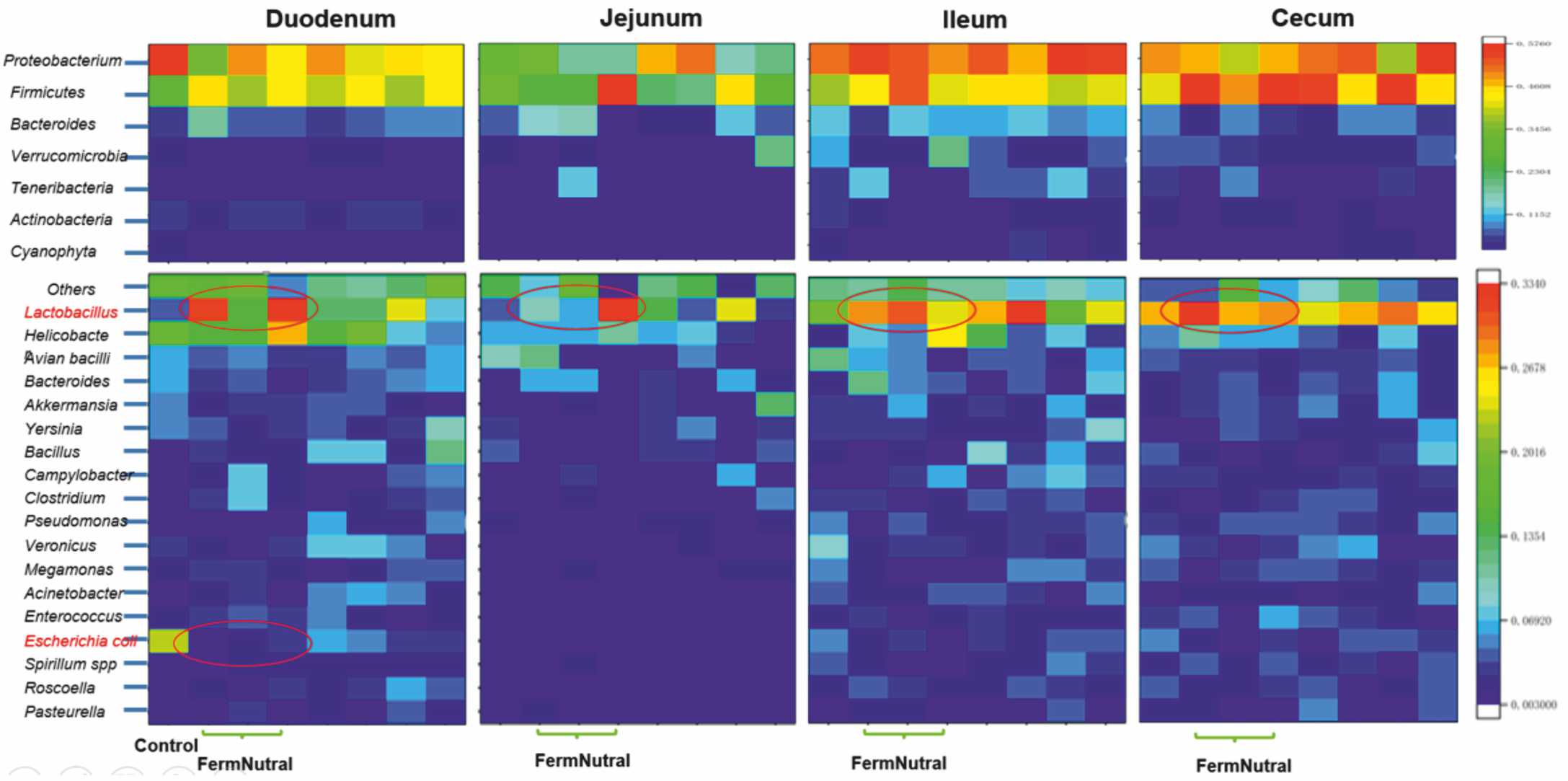
Figure 2 : 16S rDNA sequencing to determine relative abundance of microorganisms in Poultry Intestine
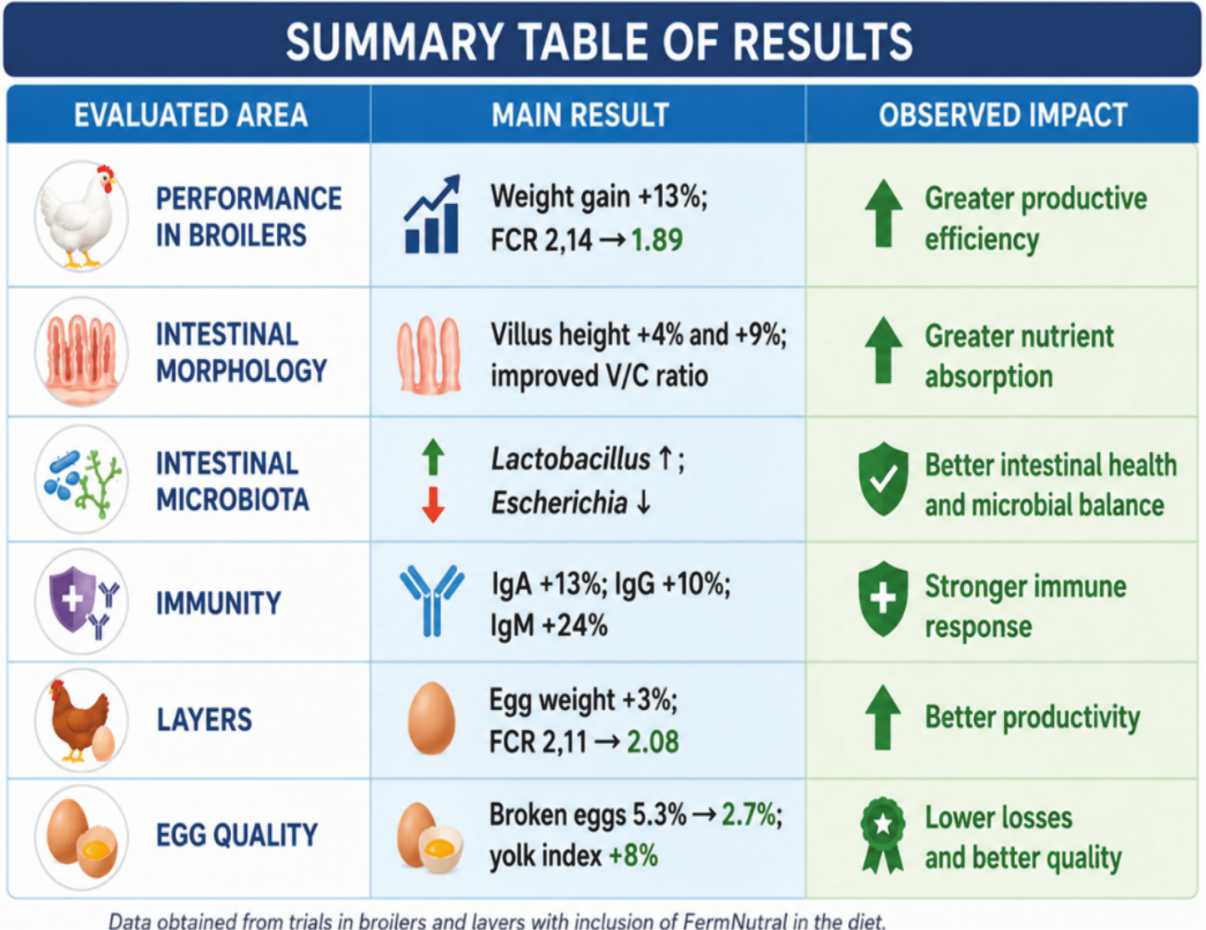
Other trials conducted on a commercial farm in China with 48-week-old laying hens showed that FermNutral improved laying rate (+1.4) and shell thickness (+0.05 mm), while reducing feed conversion ratio (-0.06) and broken eggs (-2.6%), without affecting other productive performance parameters.
Likewise, in an experiment carried out at Henan Agricultural University, China, using 50-week-old laying hens, FermNutral increased egg weight (61.63 vs 59.77 vs g) and improved feed conversion ratio (2.08 vs 2.11 vs), while reducing dirty eggs (0.17 vs 0.45 %), broken eggs (0.32 vs 0.47 %), and unfit eggs (0.15 vs 0.28 %). These results demonstrate that FermNutral is an innovative and differentiated alternative within the new generation of postbiotics.
References
De Marco S, et al. (2018). Probiotic cell-free supernatants exhibit anti-inflammatory and antioxidant activity. Evidence-Based Complementary and Alternative Medicine.
Liu H, et al. (2023). Postbiotics modulate gut health and laying performance in laying hens. Animal Nutrition, 14, 244–256.
Muhammad I, et al. (2021). Lipoteichoic acid from Bacillus subtilis improves immune function of broiler chickens. Antioxidants, 10(9), 1414.
Pasquina LW, et al. (2013). Teichoic acid biosynthesis as an antibiotic target. Current Opinion in Microbiology, 16(5), 531–537.
Zhong R, et al. (2022). Gut microbiota and its interactions with postbiotics in animal production. Frontiers in Microbiology, 13, 831495.
About CPBIO – A Global Biotech Company, Based on the global practice of Charoen Pokphand Group in the agricultural, animal husbandry and food industry chain, CPBIO has extensively and deeply participated in the health cause of animals, the earth and human beings with the thinking of the whole industry chain. Organizations and individuals in large-scale validated products and solutions.

About CPBIO – A Global Biotech Company, Based on the global practice of Charoen Pokphand Group in the agricultural, animal husbandry and food industry chain, CPBIO has extensively and deeply participated in the health cause of animals, the earth and human beings with the thinking of the whole industry chain. Organizations and individuals in large-scale validated products and solutions.