


Introduction
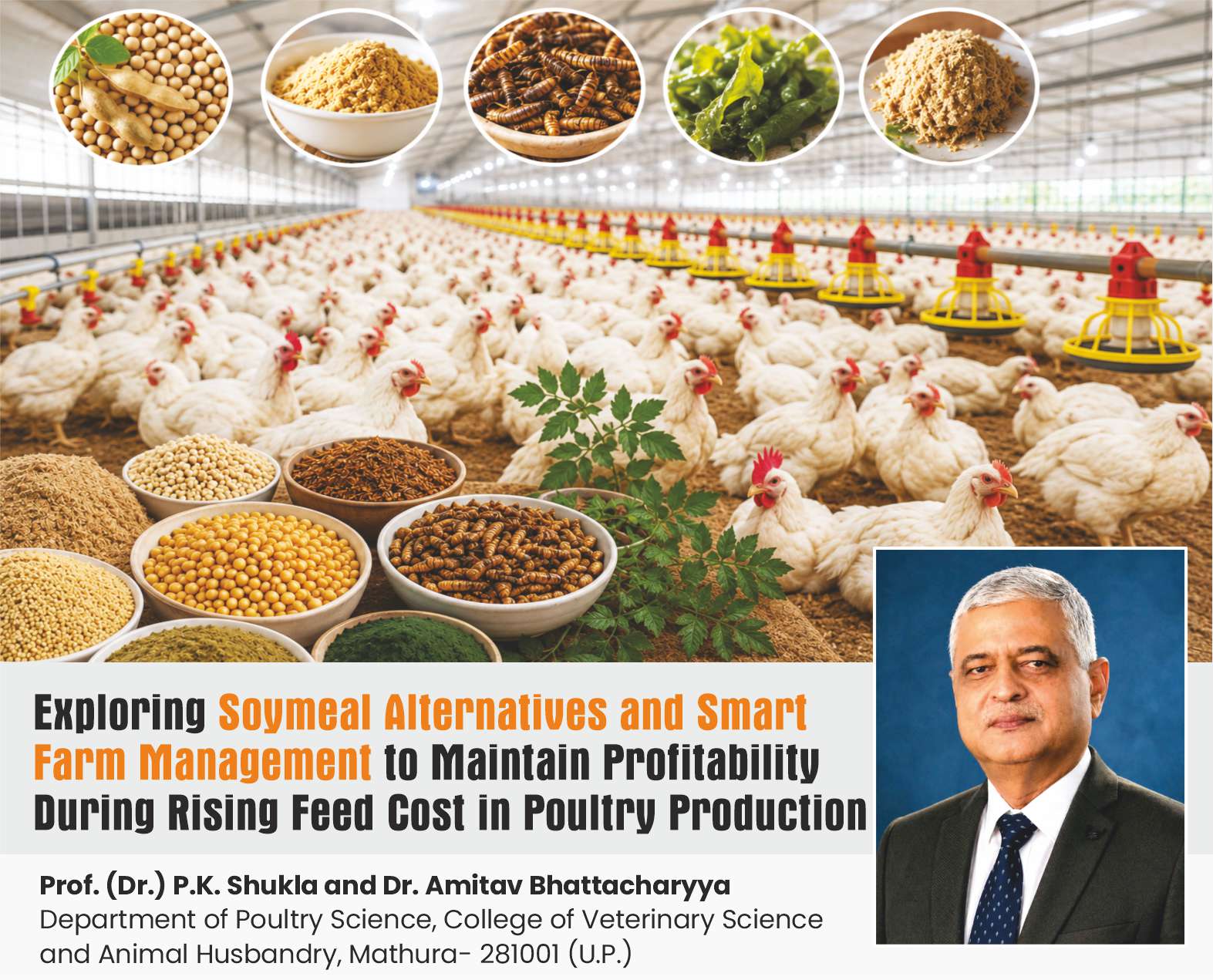
The poultry industry is one of the fastest-growing segments of global agriculture and plays a crucial role in ensuring food security, nutritional sustainability, and rural livelihoods. Poultry meat and eggs are among the most affordable and widely consumed sources of high-quality animal protein. However, the economic sustainability of poultry farming is increasingly threatened by rising feed costs, which account for nearly 65–75% of total production expenditure in commercial poultry enterprises. Among feed ingredients, soybean meal (SBM) constitutes the primary protein source because of its superior amino acid profile, high digestibility, and consistent nutrient availability. Nevertheless, volatility in soybean prices due to climate change, global trade disruptions, geopolitical conflicts, biofuel competition, transportation costs, and fluctuating international commodity markets has significantly increased production costs in poultry farming. The dependence on imported soybean meal in many developing countries, including India, further exposes poultry producers to supply chain uncertainties and foreign exchange fluctuations. Consequently, poultry nutritionists and farm managers are actively exploring alternative protein sources and innovative farm management strategies to reduce feed costs while maintaining productivity, flock health, and profitability. Simultaneously, advances in precision poultry farming, digital technologies, environmental control systems, and feed efficiency optimization are transforming poultry production into a more data-driven and economically resilient enterprise. The integration of nutritionally viable soymeal alternatives with smart farm management practices offers a promising pathway toward sustainable poultry production under conditions of escalating feed prices.
Importance of Soybean Meal in Poultry Nutrition
Soybean meal has long been regarded as the benchmark protein ingredient in poultry diets because of its excellent nutritional characteristics. Typically containing 44–48% crude protein, soybean meal provides an ideal balance of essential amino acids, particularly lysine, which is often limiting in cereal-based diets. Its high digestibility, palatability, and relatively low fibre content make it highly suitable for broilers, layers, breeders, and turkeys.
In broiler nutrition, soybean meal supports rapid muscle development, efficient feed conversion, and improved carcass quality. In layer production, it contributes to enhanced egg production, egg mass, and shell quality. Furthermore, soybean meal contains beneficial bioactive compounds and functional peptides that positively influence gut health and immune responses.
Despite these advantages, excessive dependence on soybean meal has created several challenges for the poultry industry. Global soybean production is concentrated in a limited number of countries, making supply chains vulnerable to climatic events, geopolitical instability, and export restrictions. Additionally, soybean cultivation has been associated with deforestation, biodiversity loss, and environmental concerns, especially in South America. Increasing competition between feed, food, and biofuel sectors has also intensified pressure on soybean availability and pricing.
As feed costs continue to rise, the poultry industry is increasingly compelled to diversify protein sources and adopt more economically sustainable feeding strategies.
Economic Consequences of Rising Feed Cost in Poultry Production
Feed cost inflation directly reduces profit margins in poultry enterprises. Since poultry production operates on relatively narrow economic margins, even modest increases in feed prices can significantly affect profitability. Broiler production is particularly sensitive because of short production cycles and high feed consumption rates. Similarly, in layer operations, prolonged periods of elevated feed prices may substantially reduce returns over feed cost.
Rising feed costs result in several economic consequences:
– Increased cost per kilogram of live weight gain.
– Reduced feed conversion efficiency under poor-quality diets.
– Decline in egg production profitability.
– Increased market price of poultry products.
– Reduced competitiveness of small-scale producers.
– Lower farm expansion and investment capacity.
In many regions, feed manufacturers and poultry producers respond by reformulating diets with lower-cost ingredients. However, indiscriminate replacement of soybean meal without proper nutritional balancing may impair growth performance, immunity, carcass quality, and reproductive efficiency. Therefore, economically sustainable poultry production requires a scientific approach that combines alternative feed ingredients with precision nutritional management.
Oilseed Meals as Alternatives to Soybean Meal
Oilseed by-products are among the most practical alternatives to soybean meal in poultry feeding systems. Several oilseed meals possess substantial protein content and can partially replace soybean meal when diets are appropriately formulated.

Canola Meal
Canola meal contains approximately 35–40% crude protein and is rich in sulphur-containing amino acids. It can effectively replace part of soybean meal in broiler and layer diets. However, its higher fibre content and presence of glucosinolates may limit inclusion levels.
Sunflower Meal
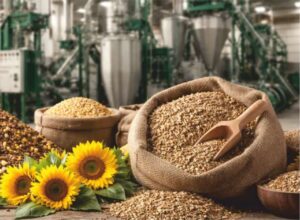
Sunflower meal is another important protein source with good methionine content. Dehulled sunflower meal possesses improved nutrient density and can be used efficiently in poultry rations. Enzyme supplementation enhances its digestibility.
Cottonseed Meal
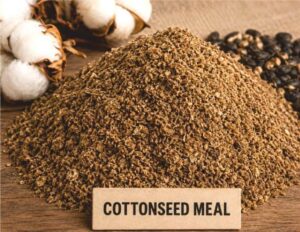
Cottonseed meal provides substantial protein but contains gossypol, a toxic pigment that restricts its inclusion in poultry diets. Proper processing and iron supplementation may reduce toxicity concerns.

Groundnut Cake
Groundnut cake is widely used in India and other Asian countries because of its local availability and moderate protein content. However, aflatoxin contamination remains a major concern requiring strict quality control measures.
Sesame and Linseed Cakes
These oilseed cakes provide supplementary protein and beneficial fatty acids, although their use is often limited by fibre content and anti-nutritional factors. Oilseed meals can substantially reduce feed costs when incorporated scientifically with amino acid balancing and enzyme supplementation.
Use of Legume Grains in Poultry Feeding
Legume grains are gaining popularity as sustainable and locally available protein alternatives in poultry nutrition. Commonly used legumes include peas, lupins, chickpeas, pigeon pea, and faba beans.
Nutritional Advantages
– Moderate to high protein content.
– Good starch availability.
– Reduced dependence on imported soybean meal.
– Nitrogen fixation benefits in agriculture.
– Lower environmental footprint.
Constraints
– Presence of tannins, trypsin inhibitors, lectins, and non-starch polysaccharides.
– Lower methionine content compared to soybean meal.
– Variability in nutrient composition.
Modern processing technologies such as extrusion, roasting, soaking, dehulling, and fermentation help reduce anti-nutritional factors and improve nutrient utilization. In broiler diets, partial replacement of soybean meal with processed legumes has demonstrated satisfactory growth performance and feed efficiency.
The use of locally cultivated legumes can also strengthen regional feed security and reduce transportation-related costs.
Distillers Dried Grains and Agro-Industrial By-Products
Agro-industrial by-products represent an economically valuable resource for poultry feeding. The poultry industry increasingly utilizes these ingredients within circular economy models aimed at reducing waste and improving resource efficiency.
Distillers Dried Grains with Solubles (DDGS)
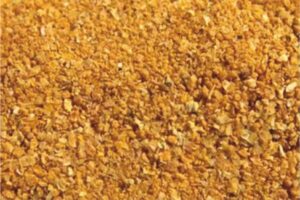
DDGS is a by-product of ethanol production and contains considerable protein, fat, phosphorus, and digestible energy. It is widely used in broiler and layer diets at moderate inclusion levels.
Rice Bran
Rice bran is abundantly available in rice-producing countries and provides energy, oil, vitamins, and moderate protein. Stabilization is necessary to prevent rancidity.
Wheat Bran and Pollard
These by-products supply fibre, phosphorus, and moderate protein but are generally used at lower inclusion rates in poultry because of high fibre levels.
Brewer’s Grains
Brewer’s grains can serve as low-cost feed ingredients after proper drying and preservation.
Bakery Waste
Processed bakery waste offers a highly digestible energy source capable of partially replacing maize in poultry diets. Although agro-industrial by-products reduce feed costs, variability in nutrient composition necessitates routine laboratory analysis and quality assurance.
Insect Meal as a Novel Protein Source
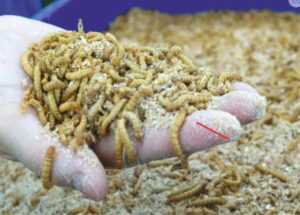
Insect meal has emerged as a highly promising alternative protein source for poultry production. Black soldier fly larvae meal, mealworm meal, and housefly larvae meal possess high crude protein levels and favourable amino acid profiles.
Advantages of Insect Meal
– Excellent digestibility.
– High protein concentration.
– Efficient conversion of organic waste into biomass.
– Reduced land and water use.
– Lower environmental impact compared to soybean cultivation.
Studies have shown that insect meal can partially replace soybean meal and fishmeal in broiler diets without adversely affecting growth performance or carcass quality. Some insect-derived lipids also possess antimicrobial properties that may support gut health.
However, large-scale commercialization faces several limitations:
– High production costs.
– Regulatory constraints.
– Limited industrial infrastructure.
– Consumer perception challenges.
As production technologies improve, insect meal may become increasingly competitive as a sustainable protein source for poultry feeding.
Algae, Single Cell Proteins, and Fermented Feed Ingredients
Microalgae and microbial proteins represent future-oriented feed resources with substantial potential for poultry nutrition.

Microalgae
Species such as Spirulina and Chlorella contain high-quality protein, essential fatty acids, vitamins, minerals, and pigments. In layer diets, algae supplementation enhances yolk pigmentation and antioxidant status.
Single Cell Protein (SCP)
Yeast, bacteria, and fungal biomass can provide highly digestible protein with rapid production rates and minimal land requirement.
Fermented Feed Ingredients
Fermentation improves nutrient availability and reduces anti-nutritional compounds in feed ingredients. Fermented soybean meal, fermented legumes, and probiotic-enriched feeds enhance gut health and nutrient absorption in poultry.
These technologies contribute to improved feed conversion efficiency and may reduce dependence on expensive conventional protein sources.
Precision Nutrition and Least-Cost Feed Formulation
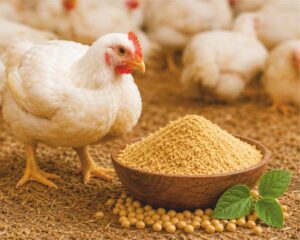
Precision nutrition is essential for maintaining profitability during periods of feed cost escalation. Modern least-cost formulation software allows nutritionists to design diets that meet nutrient requirements at minimum cost while incorporating alternative ingredients.
Major Precision Nutrition Approaches
– Digestible amino acid formulation.
– Ideal protein concept.
– Phase feeding.
– Precision protein nutrition.
– Net energy systems.
– Use of synthetic amino acids.
The supplementation of lysine, methionine, threonine, valine, and tryptophan enables significant reduction in crude protein levels without compromising performance. Lower protein diets reduce feed cost, nitrogen excretion, and metabolic stress.
Feed enzymes such as phytase, xylanase, protease, and β-glucanase further enhance nutrient digestibility and improve utilization of unconventional feed ingredients.
Precision nutrition therefore represents a cornerstone strategy for economical poultry production under volatile feed markets.
Smart Feeding Systems and Feed Wastage Reduction
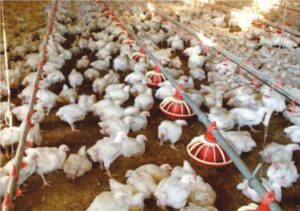
Feed wastage significantly contributes to economic losses in poultry farming. Smart feeding technologies help optimize feed distribution, minimize wastage, and improve feed efficiency.
Important Smart Feeding Technologies
– Automated feeding systems.
– Sensor-based feed dispensers.
– Precision feed allocation systems.
– Real-time feed intake monitoring.
– Smart silos and inventory systems.
Automated systems ensure uniform feed distribution and reduce labour dependency. Sensor technologies can detect abnormal feed consumption patterns, enabling early identification of health or management problems.
Proper feeder design, adjustment of feeder height, and prevention of feed spillage also play important roles in minimizing wastage. Even small reductions in feed wastage can substantially improve farm profitability during periods of high feed prices.
Environmental Control and Poultry House Management
Environmental management strongly influences feed intake, nutrient utilization, and overall poultry performance. Poor environmental conditions reduce growth rate, impair immunity, and worsen feed conversion efficiency.
Critical Environmental Factors
– Temperature.
– Humidity.
– Ventilation.
– Air quality.
– Lighting programs.
– Litter management.
Heat stress is particularly detrimental in tropical and subtropical poultry production systems. Birds exposed to high temperatures reduce feed intake, resulting in lower body weight gain and egg production.
Modern environmentally controlled poultry houses utilize:
– Tunnel ventilation.
– Evaporative cooling systems.
– Automated climate control.
– Smart sensors for temperature and humidity monitoring.
These systems help maintain optimal environmental conditions, improve bird comfort, and enhance feed efficiency.
Gut Health Management and Feed Efficiency
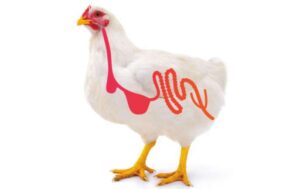
Maintaining optimal gut health is essential for efficient nutrient utilization and profitability in poultry production. Intestinal health directly affects digestion, absorption, immunity, and feed conversion efficiency.
Key Gut Health Strategies
– Probiotics.
– Prebiotics.
– Organic acids.
– Phytogenic feed additives.
– Enzymes.
– Competitive exclusion products.
The reduction in antibiotic growth promoter usage has increased the importance of alternative gut health management approaches. Healthy intestinal microflora improves nutrient digestibility and reduces disease susceptibility.
Mycotoxin management is equally critical because contaminated feed ingredients can impair gut integrity, suppress immunity, and reduce productivity. The use of toxin binders and strict feed quality control helps maintain flock performance under challenging feeding conditions.
Digital Technologies and Precision Poultry Farming
Precision poultry farming integrates digital technologies, automation, sensors, artificial intelligence, and data analytics to optimize poultry production efficiency.
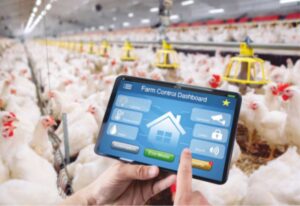
Applications of Precision Poultry Farming
– Real-time flock monitoring.
– Automated mortality detection.
– Feed and water consumption analysis.
– Environmental monitoring.
– Predictive disease surveillance.
– Behavioural analysis using cameras and sensors.
Artificial intelligence-based systems can identify deviations in flock behaviour before visible clinical signs appear. Early disease detection reduces mortality losses and treatment costs.
Cloud-based management platforms allow integration of production, nutrition, health, and financial data for better decision-making. Data-driven management improves resource utilization and supports economic sustainability.
Sustainability and Climate-Resilient Poultry Production
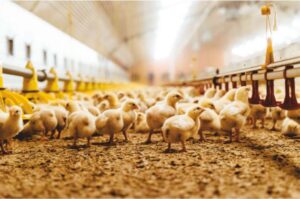
Sustainable poultry production requires balancing economic profitability with environmental responsibility. Rising feed costs and climate-related disruptions highlight the need for resilient feeding systems and efficient resource utilization.
Important Sustainability Strategies
– Diversification of feed ingredients.
– Use of locally available feed resources.
– Circular economy approaches.
– Reduction of feed carbon footprint.
– Water conservation.
– Renewable energy utilization.
Climate-smart poultry production systems emphasize resilience against heat stress, feed shortages, disease outbreaks, and market volatility. Alternative proteins such as legumes, insect meal, algae, and agro-industrial by-products contribute to greater feed system sustainability.
The integration of smart technologies further improves resource efficiency and environmental performance.
Way Forward
Rising feed costs represent one of the most significant challenges confronting modern poultry production systems. Since soybean meal remains a major contributor to feed expenses, reducing dependency on conventional soybean-based diets has become an economic necessity for poultry producers worldwide. A wide range of alternative protein sources—including oilseed meals, legumes, agro-industrial by-products, insect meal, algae, microbial proteins, and fermented feed ingredients—offer considerable potential for reducing feed costs while maintaining productive performance.
However, successful incorporation of soymeal alternatives requires scientific feed formulation, proper ingredient processing, amino acid balancing, quality control, and strategic use of feed additives and enzymes. No single alternative ingredient can completely replace soybean meal under all production conditions; therefore, diversified and flexible feeding programs are essential.
Equally important is the adoption of smart farm management systems that improve feed efficiency and operational sustainability. Precision nutrition, automated feeding systems, environmental control technologies, gut health management, digital monitoring platforms, and artificial intelligence-based decision support systems can substantially enhance profitability during periods of volatile feed prices.
The future poultry industry will increasingly depend on the integration of alternative feed resources with precision poultry farming technologies. Producers capable of combining nutritional innovation, smart management, and sustainability-oriented practices will be better positioned to withstand economic uncertainties and maintain long-term profitability. Thus, exploring soymeal alternatives alongside intelligent farm management is not merely a temporary response to rising feed costs, but a strategic transformation toward resilient, efficient, and sustainable poultry production systems for the future.