

Introduction:
India’s poultry industry is undergoing a profound transformation. Traditionally dominated by small-scale farms and local markets, the sector is increasingly commercialized, branded, and technology-driven. Urbanization, rising disposable incomes, evolving lifestyles, and heightened health awareness have fueled the demand for branded eggs and processed chicken. Modern supply chain practices are central to this evolution. They ensure food safety, quality assurance, traceability, and timely delivery—all essential in meeting the expectations of today’s discerning consumer. Branded eggs and processed chicken have become symbols of trust, hygiene, and convenience, driving shifts in consumption patterns in urban and semi-urban areas.
Branded Eggs: Elevating Quality, Trust, and Convenience in Urban Kitchens
Eggs are a fundamental source of affordable protein in India. Historically, consumers relied on loose, unbranded eggs sold in open markets, which often led to concerns regarding freshness, hygiene, and quality consistency.
Factors Driving Branded Egg Growth
1. Urban Consumer Preferences: Urban households increasingly prefer packaged eggs that guarantee safety, quality, and convenience.
2. Quality Assurance: Branded eggs undergo grading, quality testing, and packaging, ensuring uniform size, freshness, and nutritional content.
3. Traceability and Transparency: Many brands provide farm-to-fork traceability, giving consumers confidence about the origin and handling of eggs.
4. Marketing and Awareness: Effective marketing campaigns have made branded eggs a premium choice, encouraging consumers to pay for quality.
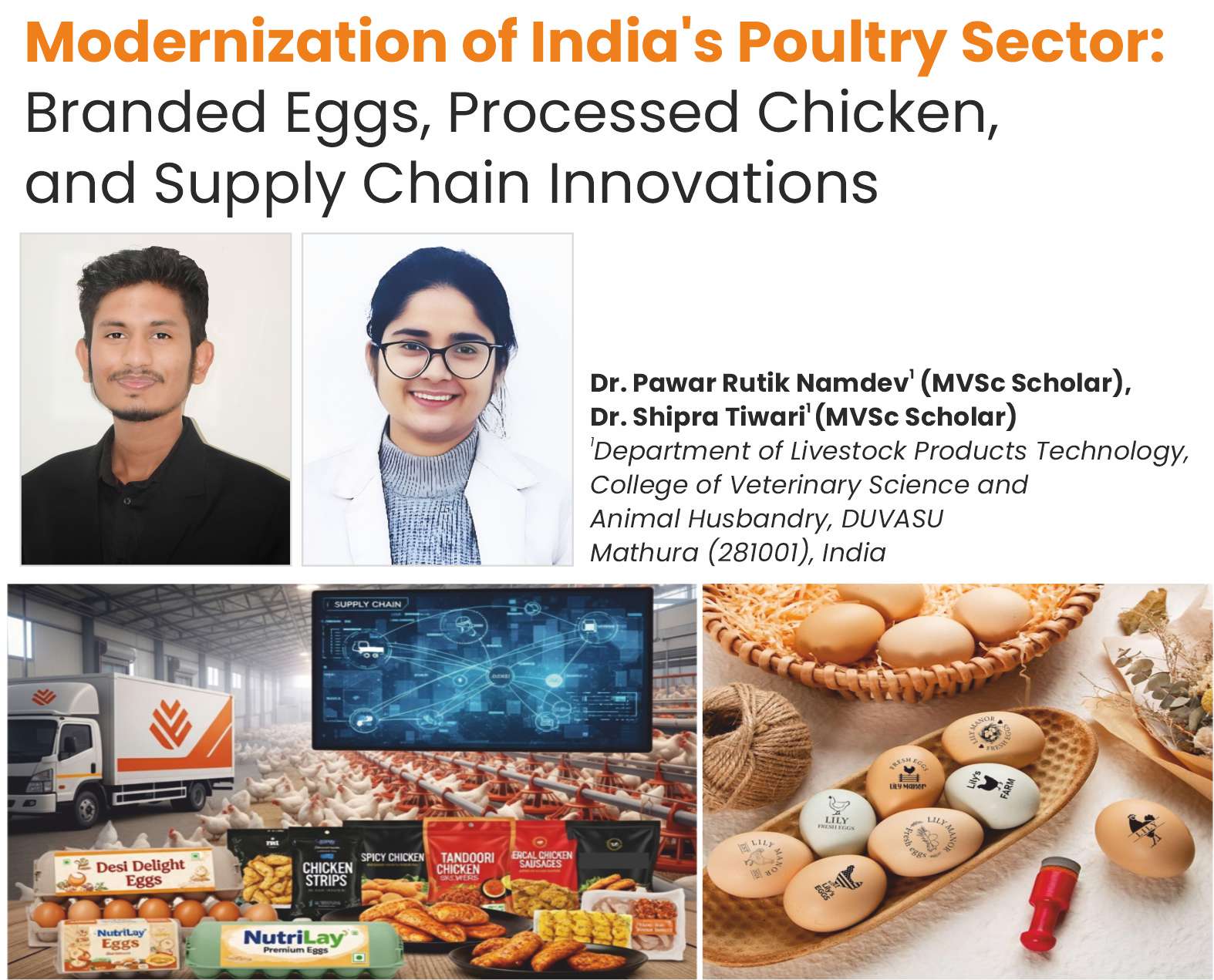
Leading brands such as Suguna, Godrej, Venkateshwara Hatcheries, and Venky’s have invested in modern feed practices, cold-chain storage, and packaging innovations to ensure high-quality supply. Branded eggs usually sell at a premium of 10–20%, reflecting consumer willingness to pay for safety, hygiene, and consistency. The rise of branded eggs has also encouraged small and medium farmers to adopt modern farming practices, ensuring that their produce meets quality standards required for packaged products.
Processed Chicken: The Rise of Convenience and Hygienic Protein
Processed chicken is increasingly becoming the preferred protein source in urban India. Unlike live or freshly butchered chickens, processed products are cleaned, portioned, frozen, or ready-to-cook, offering convenience, safety, and hygiene.
Drivers of Processed Chicken Demand
1. Busy Urban Lifestyles: Dual-income families and working professionals prefer ready-to-cook or marinated chicken.
2. Food Safety Awareness: Processed chicken undergoes stringent hygiene protocols, microbial testing, and cold-chain handling, reducing contamination risks.
3. Retail Expansion: Supermarkets, hypermarkets, modern trade, and online platforms provide easy access to processed chicken.
4. Value-Added Products: Pre-cut, pre-marinated, or frozen chicken products save cooking time and enhance convenience for consumers.
Leading Players
Brands such as Venky’s, Godrej Tyson, Al-Kabeer, Skylark, and Al Kabeer dominate the processed chicken market. They have invested in high-tech processing plants, cold storage facilities, and logistics networks, ensuring consistent quality from production to retail.
Challenges in Processed Chicken
– High Capital Requirement: Setting up processing plants and cold storage is capital-intensive.
– Consumer Perception: Some urban consumers still perceive fresh or live chicken as superior.
– Regulatory Compliance: Meeting FSSAI standards for processing, packaging, and labeling is mandatory, requiring constant oversight.
Despite these challenges, processed chicken continues to grow due to urban demand, convenience, and hygiene considerations.
Supply Chain Modernization: Backbone of Industry Transformation
The success of branded eggs and processed chicken is inextricably linked to modernized and integrated supply chains.
Key Elements of Modern Supply Chains
1. Backward Integration: Controlling feed production, hatcheries, farms, and processing ensures consistent quality, reduced dependency on external suppliers, and cost efficiency.
2. Cold Chain Systems: Refrigerated storage and transport preserve freshness, extend shelf life, and reduce spoilage, crucial for processed products.
3. Digital Monitoring and Traceability: IoT sensors, GPS tracking, and inventory software enable real-time monitoring of temperature, bird health, and logistics, enhancing operational efficiency.
4. Retail Integration: Partnerships with modern trade, e-commerce platforms, and quick-service restaurants ensure wider market reach and brand visibility.
Impact on Farmers
-Farmers supplying to organized sectors receive better price realization, stable demand, and technical support.
– Modern farming practices enhance bird health, feed efficiency, and egg quality.
– Integration reduces reliance on intermediaries, enhancing profit margins for farmers.
Smart Poultry: How Technology is Transforming Farms and Processing
Technology is a key driver of modernization across the Indian poultry sector.
Smart Farming
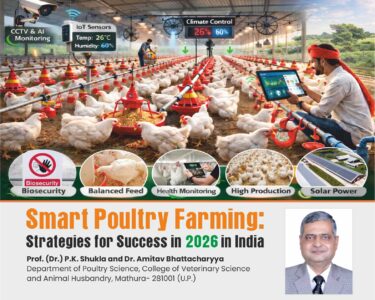
– IoT Sensors: Monitor temperature, humidity, and bird activity to optimize growth and reduce mortality.
– Automated Feeding & Watering Systems: Provide precise nutrition to improve feed efficiency.
– Robotic Vaccination Systems: Ensure disease prevention with minimal manual intervention.
Processing and Packaging Innovations
– Advanced Processing Lines: Automate de-boning, portioning, and marination for uniform quality.
– Vacuum Packaging & Modified Atmosphere Packaging (MAP): Extend shelf life and maintain freshness.
– Cold Chain Monitoring: IoT-enabled temperature tracking ensures safe delivery to retail outlets.
These innovations reduce losses, improve productivity, and enhance the quality and safety of poultry products.
Changing Consumer Habits: Driving Demand for Safe and Ready-to-Cook Poultry
Consumer behavior is evolving, driving growth in branded and processed poultry:
1. Health Consciousness: Preference for antibiotic-free, hygienic, and traceable products.
2. Convenience: Ready-to-cook chicken and pre-packaged eggs save time for urban households.
3. E-commerce Growth: Online platforms such as BigBasket, Swiggy, Zomato, and Amazon facilitate home delivery of branded products.
4. Premiumization: Organic, cage-free, and fortified eggs cater to health-conscious and higher-income consumers.
Regional Dynamics and Market Statistics
India’s poultry sector exhibits regional variation in consumption patterns:
– Southern States: Andhra Pradesh, Tamil Nadu, and Telangana dominate organized poultry production, with strong processed chicken and branded egg markets.
– Western States: Maharashtra and Gujarat are emerging as significant markets due to urban population growth and retail penetration.
– Northern and Eastern Regions: Uttar Pradesh, Bihar, and West Bengal are witnessing growing demand but still rely heavily on unbranded products.
According to industry estimates:
– Branded egg market is growing at ~12–15% annually.
– Processed chicken segment is expanding at ~10–12% annually, driven by urban demand.
– Cold chain penetration remains at ~25–30% nationally, highlighting scope for growth.
Sustainability and Future Trends
Sustainability is becoming central to poultry modernization:
– Feed Optimization: Using precision nutrition reduces feed waste and improves efficiency.
– Eco-friendly Packaging: Biodegradable and recyclable packaging is gaining traction.
– Renewable Energy: Solar and biogas solutions are being integrated into poultry farms to reduce carbon footprint.
– Alternative Grains and Proteins: Incorporating sorghum, millets, and insect-based proteins reduces dependency on maize and soybean, making production more resilient and eco-friendly.
Emerging technologies such as AI, blockchain, and advanced analytics are expected to enhance traceability, disease management, and operational efficiency, further strengthening the sector.
Poultry Sector Outlook: Overcoming Challenges and Seizing Opportunities
Challenges:
– Limited cold chain infrastructure in rural areas.
– Higher costs of branded and processed products for price-sensitive consumers.
– Continuous regulatory compliance (FSSAI, HACCP, and food safety standards).
– Farmer adaptation and skill development for organized supply chains.
Opportunities:
– Expanding branded and processed poultry into tier-2 and tier-3 cities.
– Adoption of value-added products such as fortified eggs and pre-marinated chicken.
– Integration of digital platforms, IoT, and blockchain for traceability and efficiency.
– Leveraging government support for infrastructure, cold chain, and training programs.
The Road Ahead: Building a Safe, Efficient, and Consumer-Centric Poultry Industry
India’s poultry industry is entering a new era of modernization and efficiency. Branded eggs and processed chicken, supported by advanced supply chains, technology adoption, and consumer-focused strategies, are reshaping production, distribution, and consumption. While challenges persist, modernization and innovation offer opportunities for sustainable growth, higher farmer incomes, and enhanced consumer trust. By embracing integration, technology, and evolving market trends, India’s poultry sector can ensure safe, nutritious, and convenient protein for millions, positioning itself as a global leader in quality poultry production.