

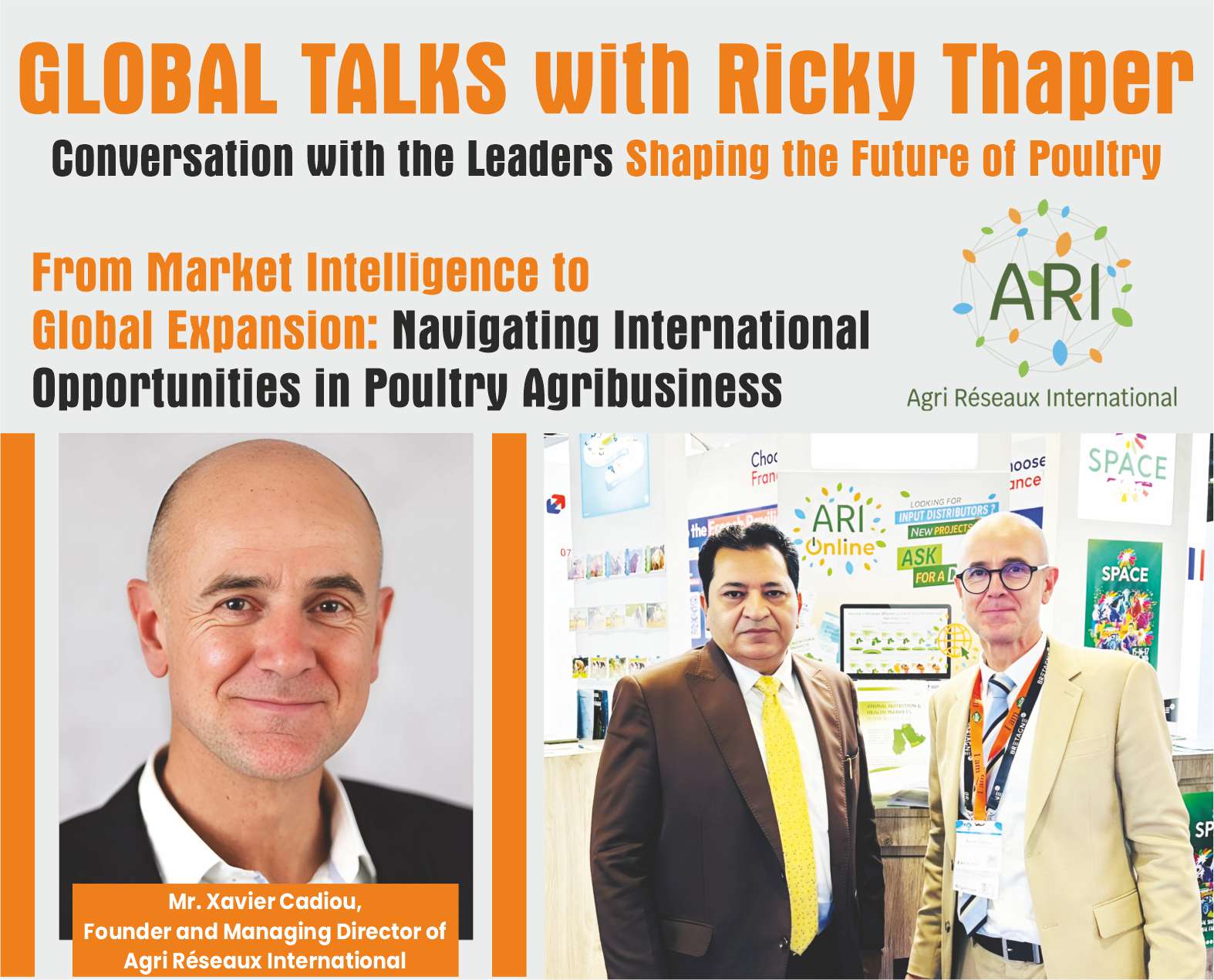
In the fourth edition of Global Talks, I had the opportunity to engage in in-depth and thought-provoking discussions with Mr. Xavier Cadiou, Founder and Managing Director of Agri Réseaux International (ARI). The discussions offered valuable insights into global agribusiness development, international market intelligence, and strategic expansion opportunities for companies operating across the poultry and allied livestock sectors. Mr. Cadiou shared his extensive experience in supporting French and international agribusiness firms through detailed market studies, on-ground intelligence, and tailored business development strategies across Africa, the Middle East, and Asia. He also spoke about his role as the French agent for VIV trade shows, highlighting how these global platforms are shaping international collaboration, technology exchange, and market access. The conversation further explored emerging opportunities in high-growth regions such as India and Africa, as well as the evolving challenges companies face in transitioning from traditional export models to localized production and long-term market presence.
Ricky Thaper: You are the founder of Agri Réseaux International. Could you introduce your organization and its main activities?
Xavier Cadiou: After studying at the École Supérieure d’Agriculture in Angers and spending nearly twenty years advising and supporting companies in international markets, I decided in 2016 to create a private structure based on a unique model. Agri Réseaux International (ARI) is dedicated to supporting and developing French and international companies in the agricultural sector—particularly those involved in animal nutrition across global markets. To achieve this, I produce in-depth market studies by geographical area for the animal nutrition, animal health, hygiene, equipment, and genetics sectors. I travel extensively, across all continents, to meet local stakeholders, and I also rely on a network of around fifty local experts who are well integrated into professional ecosystems (veterinarians, nutritionists, agronomists, etc.). I began working in East Africa ten years ago.
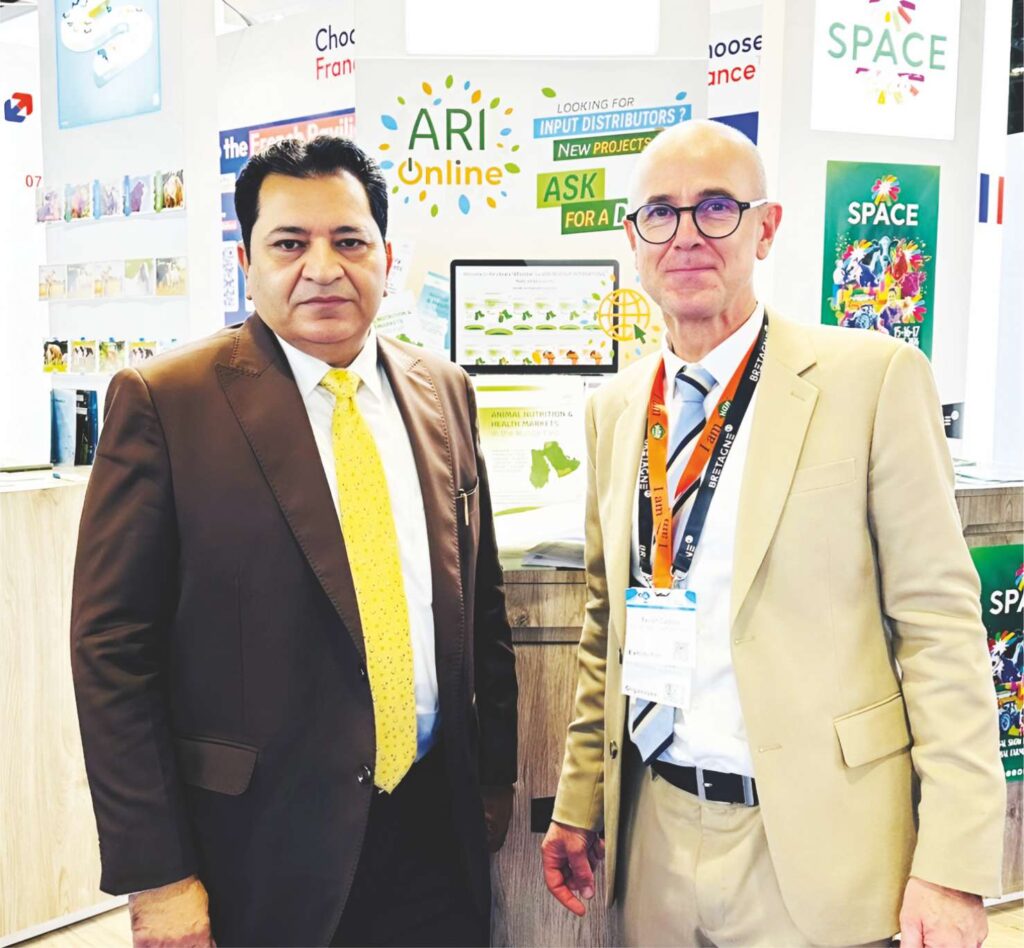
Since then, I have completed 50 market studies covering 36 countries in Africa, 11 in the Middle East, and three in Asia. These studies are regularly updated, and new countries are added each year. I am currently finalizing a first study on India. The objective of these documents is to provide concrete, actionable data to support market development abroad: mapping of key stakeholders (local associations, distributors, producers, feed manufacturers, integrators, importers) along with their contact details; key market indicators (types of livestock systems, feed volumes, raw material prices, etc.); and comprehensive market analyses enriched by field insights and feedback. In addition, I offer tailor-made services such as action plans, partner searches, commercial representation, and B2B roadshows.
Ricky Thaper: These market studies are now available online?
Xavier Cadiou: Yes, indeed. In early March 2025, I launched ARI Online, a platform providing online access to all 50 market studies. It is available through three subscription options:
– a one-year subscription with unlimited access to all existing studies;
– a two-year subscription including access to studies and their regular updates;
– and a three-year subscription that also includes new country studies and, most importantly, personalized alerts on business opportunities based on sectors of interest (equipment, animal health, animal nutrition, etc.). Today, my priority is to grow subscriptions in order to strengthen the visibility and long-term sustainability of the project. This development is supported by the recruitment of my daughter, Ms. Noémie, who is now in charge of communication and event management (trade fairs, conferences, and seminars in France and abroad). According to Mr. Cadiou, these ARI Online market studies are perfect for Indian companies involved in Animal Health and Nutrition and wanting to enter African markets.
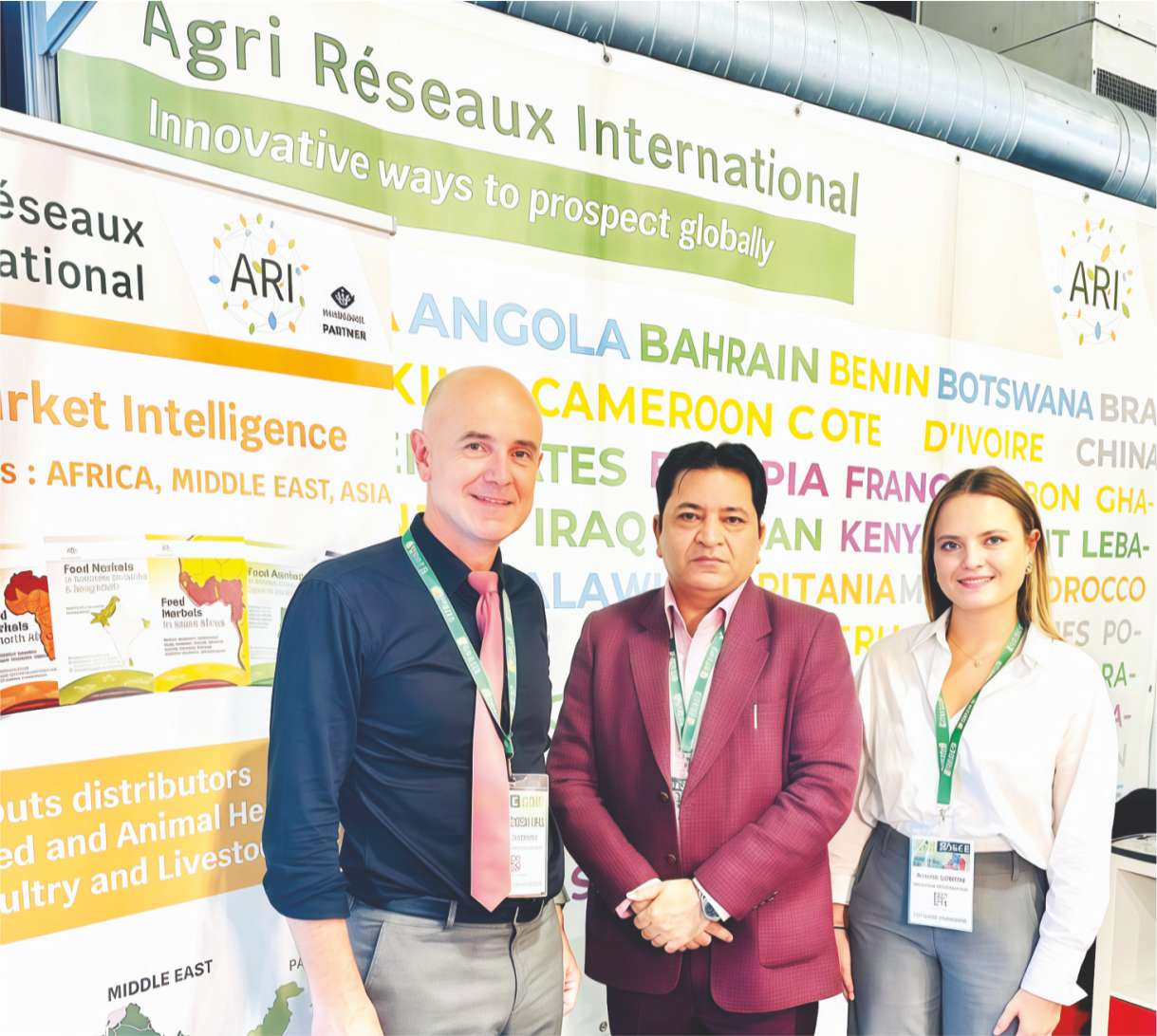
Ricky Thaper: Since May 2023, you have also been the French agent for VIV trade shows. What does this role involve?
Xavier Cadiou: It is a role that combines commercial, strategic, and advisory dimensions and is highly complementary to ARI’s activities. In practical terms, it involves promoting VIV trade shows (Asia, China, Africa, Europe) to French companies.Today, these exhibitions are fully booked well in advance—there are no more last-minute opportunities. The rebooking process can even begin within two months after an event, which can be challenging for some companies. My role is to support and advise them: what benefits they can expect from participating, what market realities they will encounter, and whether the investment makes sense.
I rely on my in-depth knowledge of countries (via ARI Online) and local stakeholders (through our network) to provide targeted guidance. The goal is not to sell dreams, but to offer concrete, realistic perspectives. I work closely with various partners to enhance the visibility of French companies at these strategic events. In 2023, 70 French companies participated in VIV Asia in Bangkok. Next year, VIV Europe in Utrecht will celebrate its 40th anniversary. There will also be a major new development: VIV Select India trade show will be organized in India for the first time, in April 2026. Around ten French companies have already confirmed their participation.
Agri Réseaux International (ARI) is dedicated to supporting and developing French and international companies in the agricultural sector—particularly those involved in animal nutrition across global markets.
– Xavier Cadiou
Ricky Thaper: Which regions of the world are currently the most dynamic?
Xavier Cadiou: The international context— political instability in Africa, uncertainty in Russia, customs duties in the United States encourages companies to look for new opportunities. In this context, India appears particularly attractive today. India is a continental-scale country and the most populous in the world, with 1.43 billion inhabitants. It will continue to grow, move upmarket, and inevitably generate opportunities, especially as animal protein consumption is increasing rapidly. I recently visited India to tour feed mills and hatcheries and better understand local trends. European equipment is already present in Indian factories.
The country has changed tremendously and raises many questions. Agricultural systems are highly efficient: not a single square meter is wasted. Two major questions arise: will India eventually close its borders to ensure food security while continuing to increase animal protein production? And will the country be able to produce enough without opening its agriculture to GMOs, which are currently banned from local production?
The other key region is Africa. We are witnessing modern development in the poultry sector. A fundamental question remains: how will Africa produce its animal protein tomorrow? And who will drive this development—local African companies expanding into neighbouring countries (such as Côte d’Ivoire, Morocco, Mauritius, South Africa), or foreign groups (from the USA, India, the Netherlands), or even sovereign wealth funds?
Events such as VIV Africa demonstrate that there are companies on the continent with real expertise. This makes the outlook particularly promising. Significant investment will take place in this region, and commercial projects are already emerging in Madagascar, Côte d’Ivoire, Guinea, Rwanda, Kenya, Sierra Leone, and of course Senegal. This is a region of great interest and one that deserves close attention.
India will continue to grow, move upmarket, and inevitably generate opportunities, especially as animal protein consumption is increasing rapidly. I recently visited India to tour feed mills and hatcheries and better understand local trends.
– Xavier Cadiou
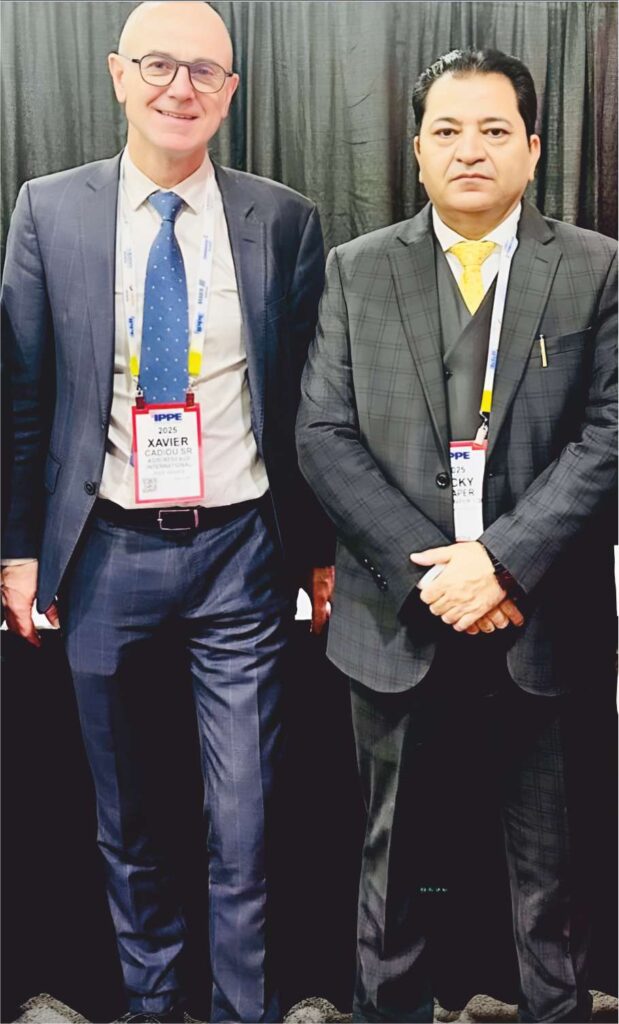
Ricky Thaper: In your opinion, what are the main obstacles to export for French companies?
Xavier Cadiou: French companies often talk about exporting, but not necessarily about local establishment. It is not a priority; most remain within a traditional export model. Yet, to succeed in increasingly mature markets, companies will need to become true local production players. It is now essential to consider a physical and industrial presence on the ground in the near future. Markets will develop with either independent local private players or foreign actors who acquire production assets. In Africa, for example, American companies have acquired major milling groups. They now control commodity transport and port-based factories. There are real opportunities ahead, but companies must not remain on the side lines.