


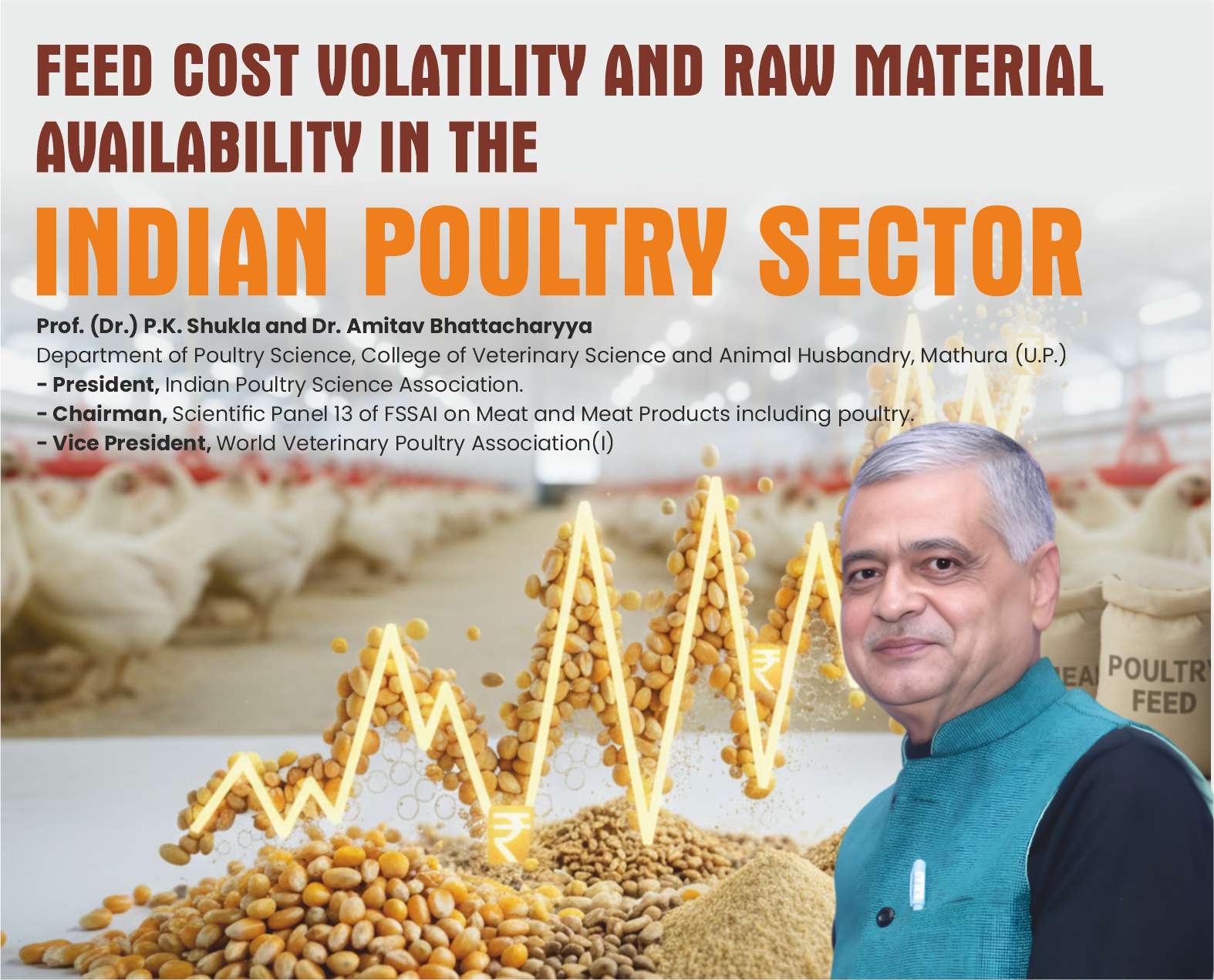
 Feed Cost Volatility & Raw Material Availability in the Indian Poultry Sector
Prof. (Dr.) P.K. Shukla and Dr. Amitav Bhattacharyya
Department of Poultry Science, College of Veterinary Science and Animal Husbandry, Mathura (U.P.)
– President, Indian Poultry Science Association.
– Chairman, Scientific Panel 13 of FSSAI on Meat and Meat Products including poultry.
– Vice President, World Veterinary Poultry Association(I)
Abstract
Feed constitutes the largest single cost component in commercial poultry production, typically accounting for 60–75% of total production cost. In India, volatility in feed costs and irregular availability of key raw materials (maize, soybean/soybean meal, rapeseed meal, fishmeal, and others) have created recurring pressures on producer margins, market stability and food security. This article examines the drivers of feed cost volatility in the Indian poultry sector, assesses patterns of raw material availability, and evaluates short- and medium-term strategies used by industry and policymakers to manage risk. We synthesise recent market evidence (2023–2025), identify structural vulnerabilities—such as dependence on a narrow set of feed ingredients, fragmented procurement, and policy mismatches—and review practical mitigation strategies including alternative feed ingredients, feed formulation optimisation, vertical integration, risk-sharing contracts, and public policy interventions (market intelligence, buffer stocks, and targeted support). The article concludes with recommendations for research priorities and policy measures to improve resilience of the poultry value chain to feed cost and supply shocks. Key messages include: (1) diversification of feed ingredient base and adoption of precision feed formulation can materially reduce vulnerability; (2) industry–government coordination on trade and stock policy is essential to stabilise domestic supplies without harming producers or farmers; and (3) investment in local value chains (oilseed processing, maize storage, and by-product utilisation) plus real-time price information systems are high-impact, actionable steps.
Keywords
Feed cost, volatility, raw material availability, poultry, maize, soybean meal, rapeseed meal, India, risk management
1. Introduction
Poultry production in India is a rapidly expanding sector that plays a major role in animal-sourced protein supply and rural livelihoods. Feed cost remains the dominant expense for broiler and layer operations; fluctuations in feed ingredient prices directly translate into margin volatility for producers and price variability for consumers. The Indian feed matrix is dominated by maize (energy) and oilseed meals—primarily soybean meal—as the primary sources of energy and protein respectively. Rapid changes in global commodity markets, domestic crop yields driven by weather variability, policy changes (tariffs, minimum support prices), and trade disruptions have amplified feed input volatility in recent years. Reports and market analyses from 2023–2025 document episodic spikes and falls in ingredient prices, with corresponding effects on broiler and egg producers and regional market dislocations.
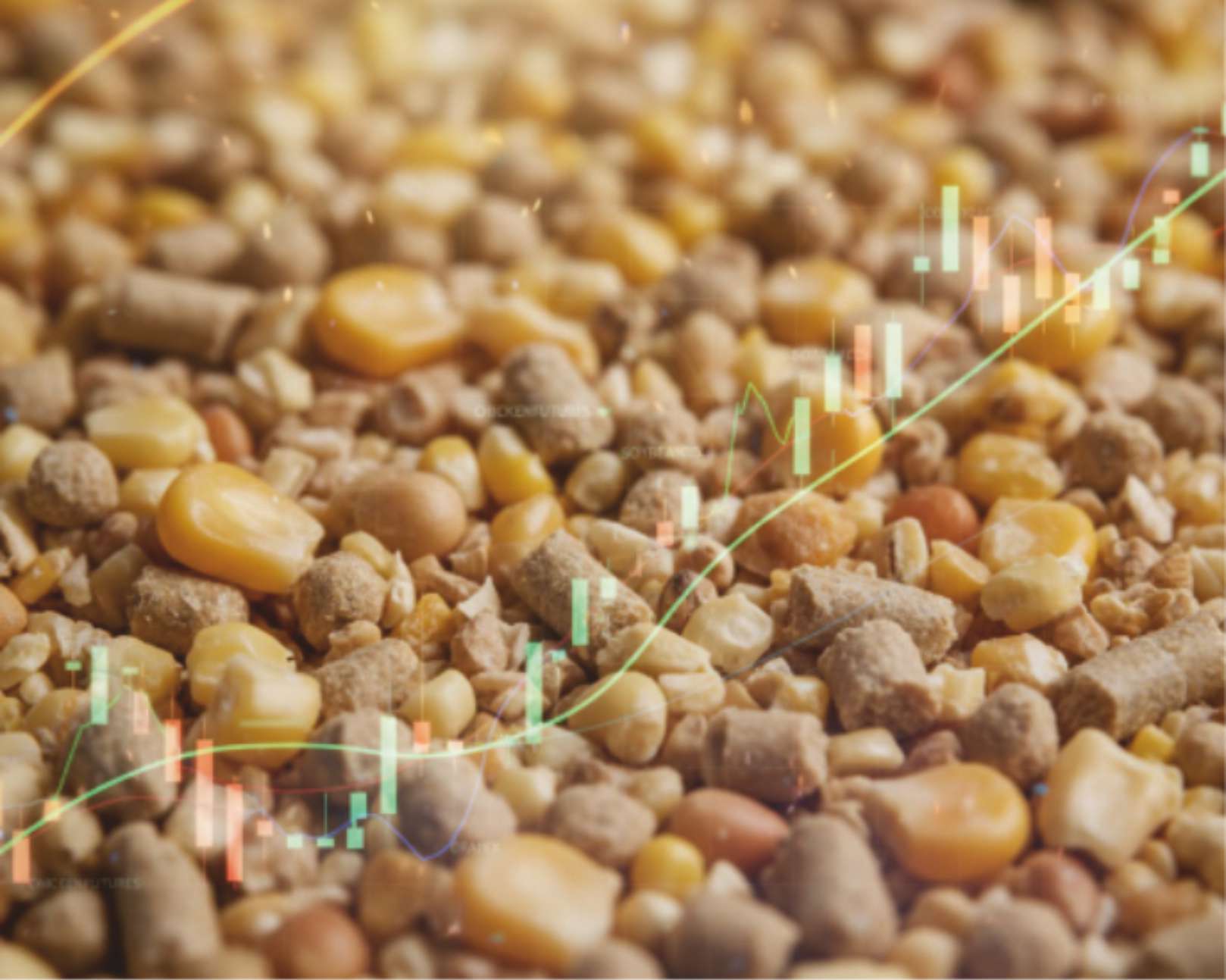
This paper systematically analyses drivers of feed cost volatility and raw material availability in India’s poultry sector, evaluates consequences across the value chain, and presents mitigation strategies with policy recommendations.
2. Scale and composition of poultry feed demand in India
The Indian poultry feed market is large and growing; recent industry estimates place the market value in 1.11 billion USD in 2024, with poultry feed comprising the lion’s share of the animal feed market. Poultry feed typically represents 60–75% of the cost of broiler production (varying by system and region), and maize and soybean meal together form the largest portion of feed formulations. Market reports project continued growth driven by rising protein demand, urbanisation and improved cold-chain and retail infrastructure and the Market size is expected to touch 2.02 billion USD by 2033.
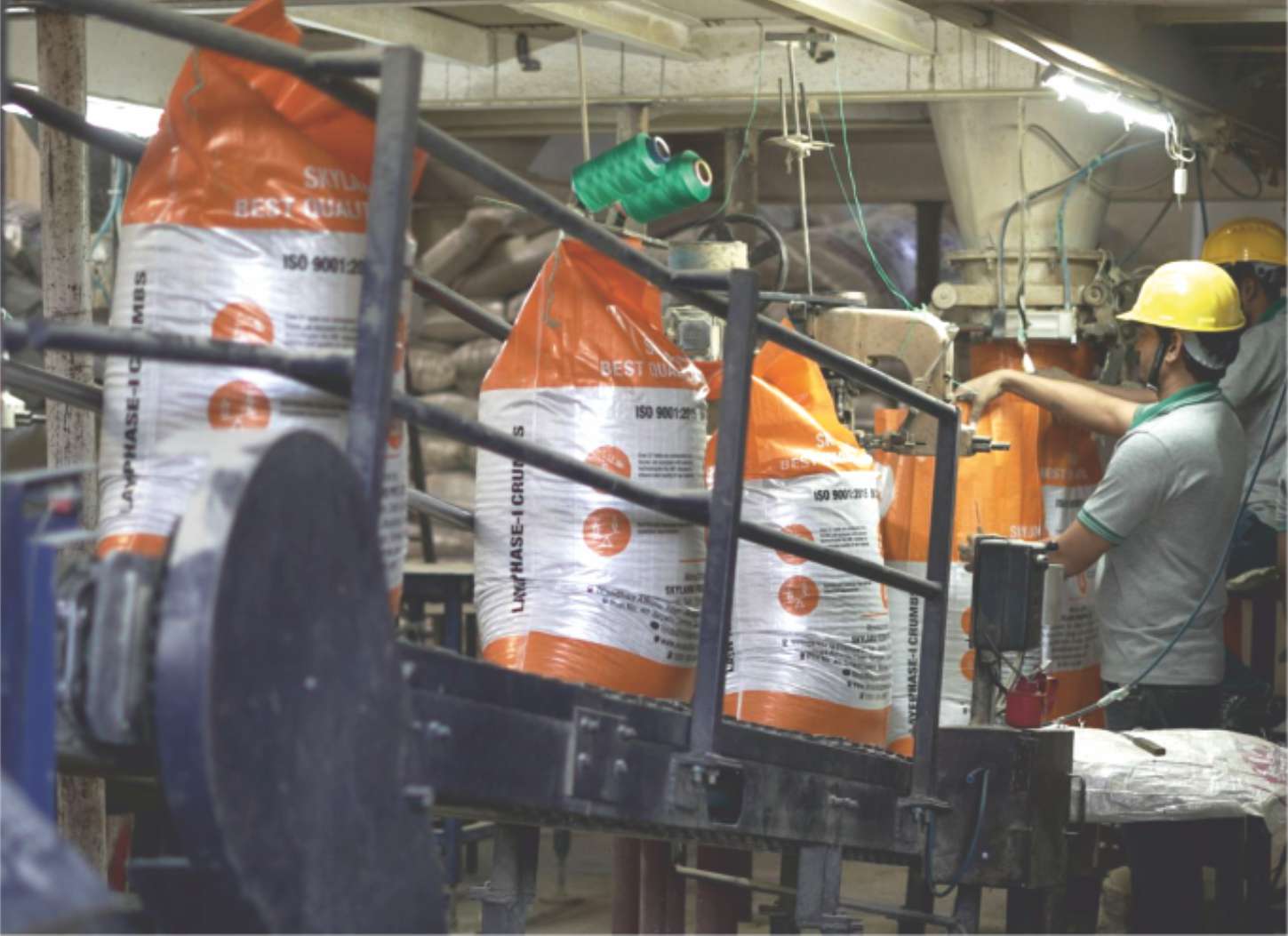
3. Key feed raw materials: roles and supply characteristics
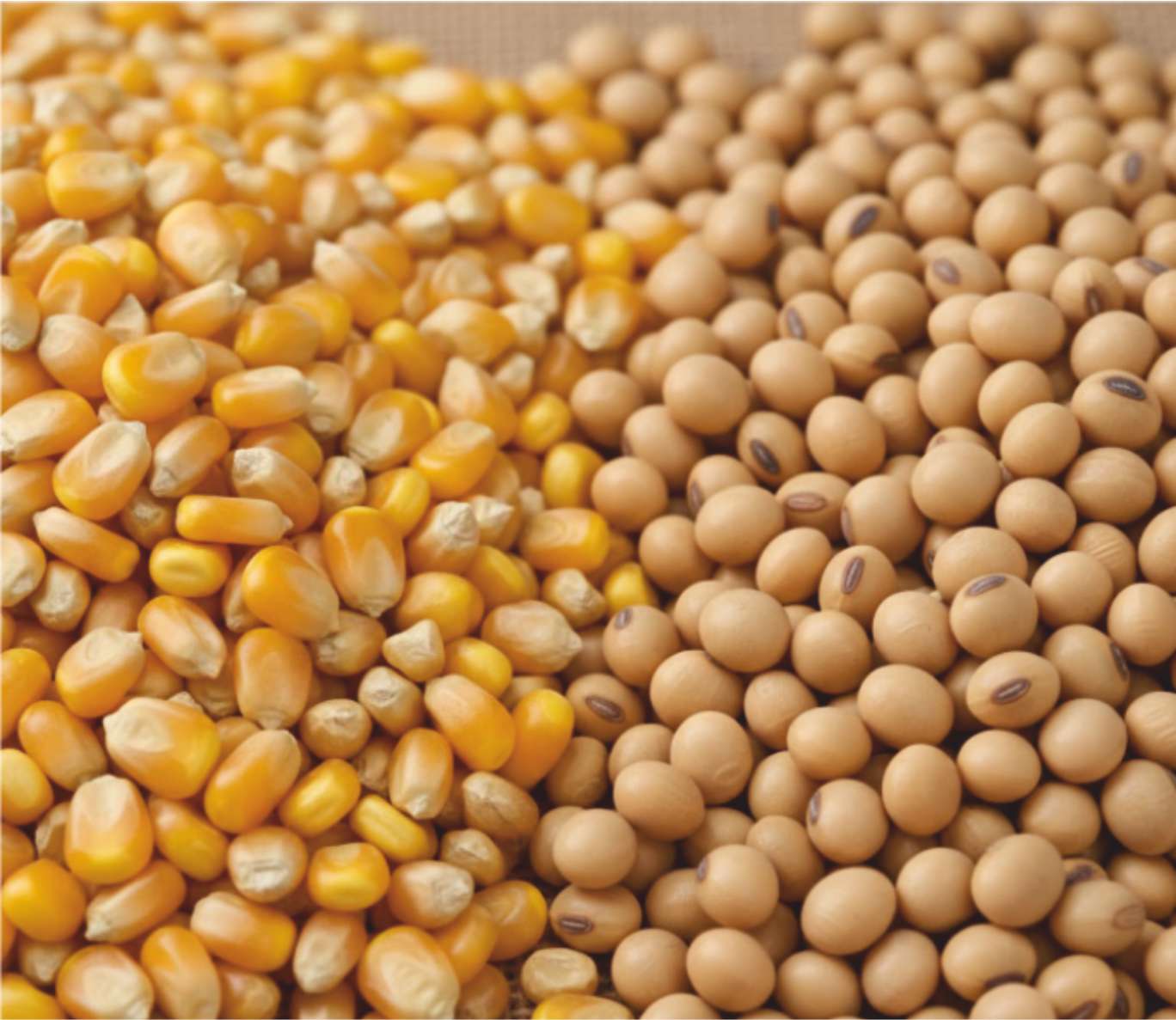
3.1 Maize (corn)
Maize is the principal energy source in poultry rations. Domestic maize production in India is concentrated in certain states (Maharashtra, Karnataka, Telangana, Andhra Pradesh, and others) and is highly seasonal. Maize price at mandis shows substantial spatial variability and seasonality; mandi price dashboards indicate continuing price swings across districts and markets. Maize accounts for a large share of the feed mix and therefore small percentage price changes in maize can significantly change total feed cost.
3.2 Soybean and soybean meal
Soybean is the main oilseed in India; soybean meal derived from oil extraction is the major protein source in poultry feed. Soybean/ soymeal price movements are influenced by domestic sowing area, yields, global soybean markets (U.S., Brazil, Argentina), and policy levers such as import/export duties and MSPs. Price indices show notable volatility over 2023–2025, impacting meal costs for feed mills.
3.3 Rapeseed/rape meal and other oilseed meals
Rapeseed meal and other oilseed by-products can substitute partially for soybean meal, depending on amino acid profile and anti-nutritional factors. Global demand shifts (for example, China’s import changes) can affect availability and price of rapeseed meal. Recent trade flows have seen China increase purchases of Indian rapeseed meal, affecting local supply-demand dynamics.
3.4 Fishmeal, meat-bone meal, and other protein concentrates
Fishmeal is used in some high-performance rations but is expensive and subject to marine resource constraints and import dynamics. Alternative protein sources (pulses, by-products, microbial proteins) remain in experimental or pilot phases for large-scale adoption in India.
3.5 By-products and alternative ingredients (DDGS, bakery waste, millet, pulses)
By-products (distillers dried grains with solubles—DDGS), local pulses, oilseed cakes, and agricultural residues can be used in formulations. Their utilisation depends on consistent supply, nutritive value, cost, and processing infrastructure.
4. Drivers of feed cost volatility
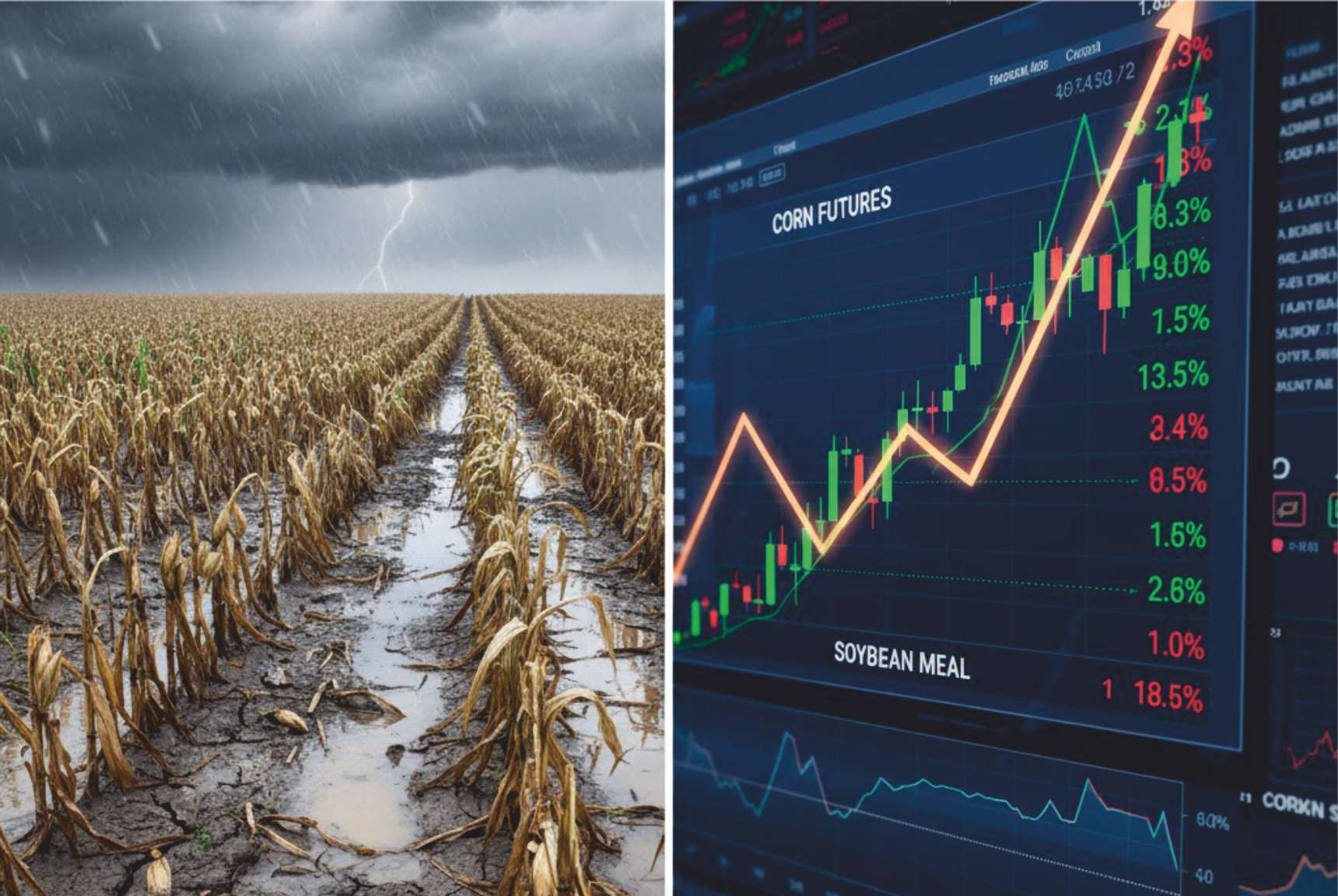
Feed cost volatility arises from an interplay of supply-side and demand-side factors. Major drivers include:
4.1 Weather, crop yields and climate risks
Weather shocks (droughts, unseasonal rains, floods) directly affect maize and soybean harvests. India’s monsoon variability and localised extreme events have produced year-on-year yield swings that ripple into feed markets.
4.2 Global commodity markets and trade linkages
Soybean and maize are global commodities; shifts in harvests in Brazil, the US and Argentina, along with currency movements and shipping costs, influence Indian domestic prices—especially when domestic supply is insufficient and imports or exports respond. For soymeal, global price trends were an important factor in 2024–2025 price fluctuations.
4.3 Policy and trade measures (MSP, import/export duties, subsidies)
Government measures such as minimum support prices (MSP) for oilseeds, import duty changes, and export controls can abruptly change domestic availability and prices. For example, MSP changes and state procurement interventions for soybeans and maize have been signalled as drivers of local price movements. Industry commentary has pointed to expected MSP-related maize/soybean price increases and consequent feed-cost pressure.
4.4 Biofuel and competing demand
Increasing demand for biofuels (producing ethanol from maize or oilseed-derived biodiesel) and food processing (edible oil demand) can redirect feed-grade grains toward other uses, tightening availability for feed.
4.5 Supply-chain and storage losses
India’s post-harvest handling, limited cold-storage/controlled-environment large-scale feed reserves in some regions, and fragmented procurement by smallholder farmers contribute to localized shortages and price spikes during lean months.
4.6 Disease outbreaks and market sentiment
Avian influenza outbreaks periodically depress demand for poultry meat and disrupt distribution channels, complicating producers’ ability to manage feed purchases and inventories. Downward price shocks in broiler market can lead to abrupt feed demand reductions (and vice versa), creating cyclical volatility.
5. Recent evidence (2023–2025): patterns and episodes
Recent studies and market reports highlight episodic volatility. Industry analyses and rating-agency reports documented significant corrections in broiler prices in early 2025 due to demand shocks from disease events, and analysts reported large swings in feed ingredient costs during FY2024–25. Price series for soybean meal and maize show variability across months, with soybean meal monthly indices demonstrating notable up-and-down swings in 2023–2025. Industry associations warned of feed-cost increases of 7–8% in specific years owing to MSP hikes and lower oilseed crops, and regional news reported local maize price increases that narrowed poultry margins.
6. Impact on poultry producers and value chain
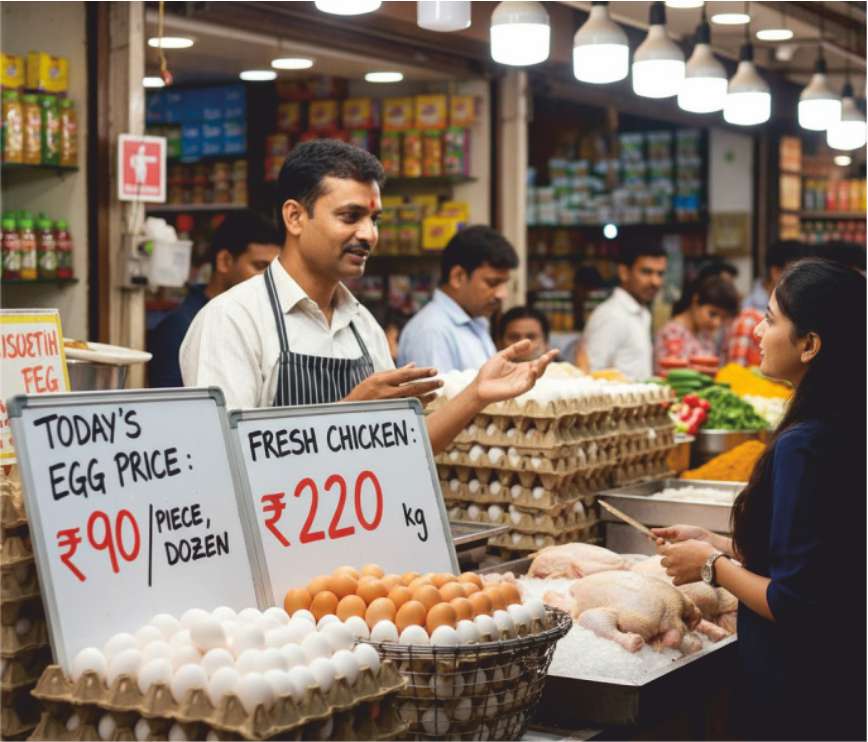
6.1 Producer margins and market stability
Given feed’s dominant share in production cost, price increases in maize or soybean meal quickly compress producer margins. Smaller and mid-size producers—operating with narrow working capital—are particularly vulnerable and may be forced to reduce stocking density, delay restocking or exit, causing supply-side shocks.
6.2 Consumer prices and food security
Large feed cost shocks can translate into higher retail prices for meat and eggs, impacting affordability and consumption patterns, especially for low-income consumers.
6.3 Contract farming and backward linkages
Feed volatility influences contracting: integrators that can secure raw materials through backward integration or long-term contracts are better cushioned. Small independent farmers, by contrast, face higher input-price risk.
6.4 Investment and sectoral growth
Unpredictable input costs deter long-term investment in production capacity and in value-chain improvements (cold chain, processing), affecting sectoral growth trajectories.
7. Industry and technical mitigation strategies
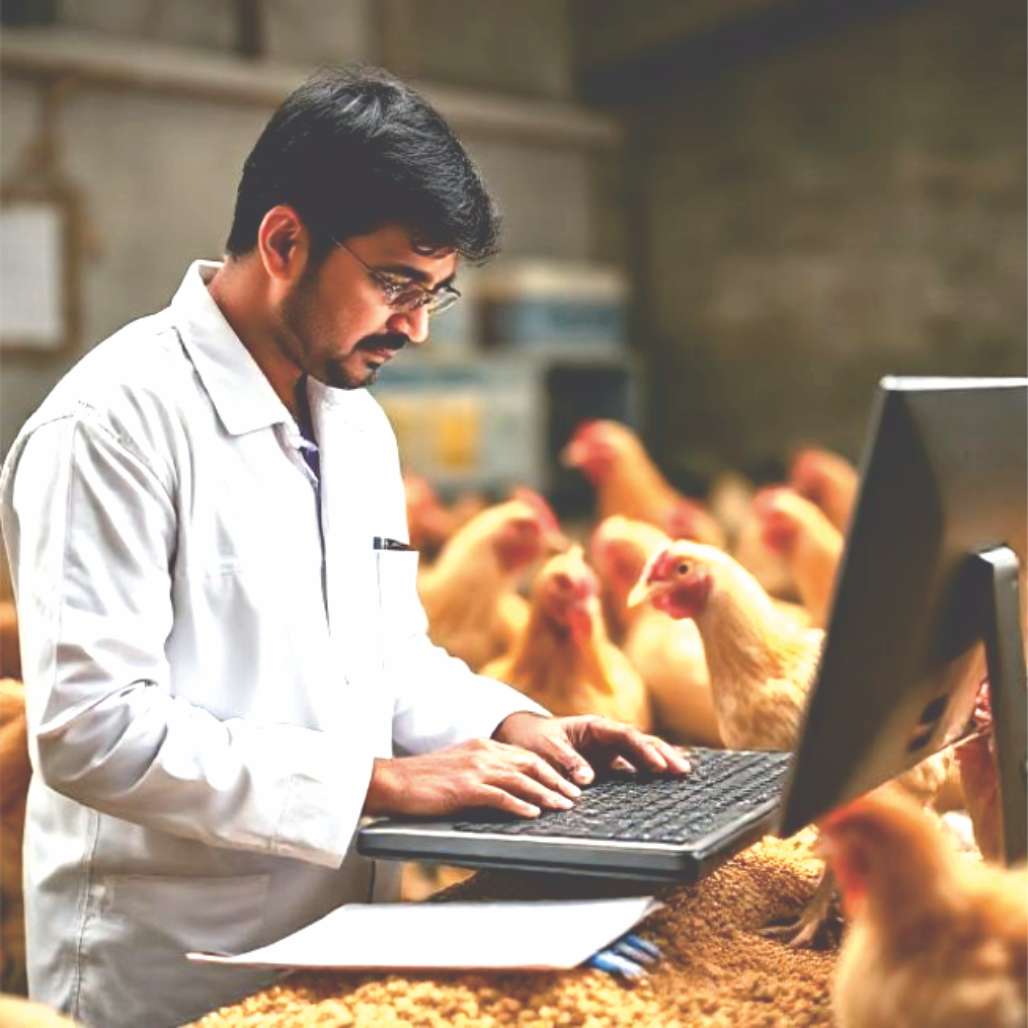
To manage feed cost volatility and raw material shortages, poultry producers and feed mills deploy a combination of technical, commercial and managerial strategies:
7.1 Feed formulation optimisation and least-cost formulations
Modern feed mills use least-cost linear programming and precision formulation to rebalance rations when ingredient prices shift—substituting cheaper yet nutritionally acceptable ingredients while maintaining performance. Adoption of real-time formulation tools and laboratory quality checks improves response speed.
7.2 Ingredient substitution and use of alternatives
Use of alternative protein/energy sources (rapeseed meal, sunflower meal, local pulses, DDGS, millet by-products, and processed oilseed cakes) can reduce dependence on soybean meal. However, substitution must account for amino acid balance, digestibility, and anti-nutritional factors. Industry publications and trade articles list practical alternatives but caution about scale and consistency of supply.
7.3 By-product valorisation and localised sourcing
Using agro-industrial by-products (bakery waste, oil-extraction cakes from local mills, brewery wastes, and vegetable-processing residues) can lower costs if processed to ensure feed hygiene and nutritive stability.
7.4 Vertical integration and contract farming
Integrators invest upstream in feed mills, oilseed crushing units, maize procurement and storage. Contract farming for maize and oilseeds can secure supplies but requires well-designed contracts, extension services, and price-sharing mechanisms.
7.5 Hedging, forward buying and inventory management
Larger companies hedge exposure through forward purchase contracts, forward pricing arrangements, and by maintaining strategic inventories at critical times. Smaller producers lack these instruments; cooperatives or producer groups can pool purchases.
7.6 Feed efficiency and management
Improving feed conversion ratio (FCR) via genetics, health management, and precision feeding reduces feed required per unit of product and partially offsets price pressure.
8. Policy and institutional options
Policy measures and institutional mechanisms can mitigate volatility and improve raw material availability:
8.1 Market intelligence, price transparency and early warning systems
Timely, disaggregated market data on mandi prices, stock levels, and international signals helps stakeholders make informed procurement decisions. Public–private platforms can disseminate such data.
8.2 Trade policy calibration and temporary measures
Careful use of tariffs, import concessions and export restrictions can be deployed temporarily to stabilise domestic availability, but must be calibrated to avoid perverse incentives for farmers and traders. For example, import duties on vegetable oil and oilseed-derived products were adjusted in 2025 to support local farmers; such policies have complex downstream effects for feed users.
8.3 Encouraging domestic oilseed and maize production
Longer-term measures include supporting oilseed and maize productivity—through R&D, improved seeds, extension, and post-harvest storage—to reduce dependency on imports and narrow seasonal supply gaps.
8.4 Strategic buffer stocks and credit support
Targeted buffer stocks (at state or cooperative level) for critical feed ingredients and credit facilities for feed procurement during lean months can stabilise supplies for small producers.
8.5 Quality and safety standards for alternative ingredients
Regulatory clarity on the use of non-conventional ingredients and by-products (including testing, permissible inclusion rates, and safety) would accelerate adoption of substitutes.
9. Case studies and illustrative examples
9.1 Regional maize price surge impacting Namakkal farmers (Tamil Nadu)
Regional media reported maize price increases (e.g., reports of maize price rising from Rs 2,400 to Rs 2,800 per quintal in certain contexts), which narrowed producer profits and illustrated how regional price swings can rapidly erode margins in poultry-dense areas.
9.2 Anticipated feed-cost increase due to MSP and oilseed dynamics
Industry associations warned in 2025 that government MSP changes and expected soybean crop responses could raise feed costs by 7–8% in a season, highlighting the sensitivity of poultry margins to policy-induced price movement.
9.3 Rapeseed meal trade and global demand shift
Trade news in 2025 showed China increasing purchases of Indian rapeseed meal following tariffs on Canadian supplies; this affected local availability and price dynamics of an alternative protein feed ingredient. This example shows how distant policies can have immediate consequences for domestic feed availability.
10. Strategic recommendations (short-, medium-, long-term)

Below are actionable recommendations organised by time horizon and stakeholder.
10.1 For producers and industry (short to medium term)
1. Adopt dynamic feed formulation tools (least-cost and nutrient-constraint optimisers) to respond rapidly to price changes.
2. Farm purchasing cooperatives among small/mid-size producers to aggregate demand and negotiate forward contracts.
3. Invest in feed efficiency via genetics, health management (biosecurity, vaccination), and precision feeding to reduce FCR.
4. Explore regional alternative ingredients (subject to safety and nutritional validation) to diversify supply.
10.2 For feed manufacturers and integrators (short to medium term)
1. Backward integrate into oilseed crushing and maize procurement where feasible.
2. Strengthen quality-control labs to validate alternative ingredients and mix consistency.
3. Use hedging and forward buying selectively; offer producer-friendly contract products for small farmers.
10.3 For policymakers (medium to long term)
1. Enhance market transparency: Build or support real-time price and stock platforms for feed raw materials.
2. Calibrate trade policy to avoid unintended domestic shortages—use time-limited import concessions when domestic shortages are acute.
3. Support oilseed and maize productivity: incentivise improved seed adoption, crop diversification and investment in storage.
4. Facilitate safe use of by-products: create standards and guidelines for utilisation of agro-industrial by-products in feed.
5. Promote research on alternative protein sources (microbial proteins, insect meal, and pulses) to reduce long-run dependence on a narrow ingredient base.
11. Research gaps and future directions
Key research areas that could strengthen resilience include:
– Nutritional evaluation and scaling pathways for novel proteins (insect meal, single-cell proteins) under Indian conditions.
– Socio-economic studies of contracting models that allow input price risk-sharing between integrators and farmers.
– Systems-level modelling of supply shocks and policy responses to evaluate trade-offs between farmer incomes, consumer prices and food security.
– Life-cycle assessments of alternative feed ingredients to ensure environmental sustainability with cost-effectiveness.
12. Conclusion
Feed cost volatility and raw material availability are structural challenges for the Indian poultry sector with both immediate and long-term implications. The dominance of maize and soybean meal in the ration, combined with weather sensitivity, global market linkages, and policy dynamics, creates recurring vulnerability.
However, a combination of industry practices (formulation optimisation, alternative ingredients, vertical integration), collective action (cooperatives, contract purchasing), and well-calibrated policy measures (market information, targeted trade measures, productivity support) can materially reduce exposure and enhance resilience. Concerted action across stakeholders—feed mills, producers, input suppliers, researchers and policymakers—will be necessary to stabilise costs, protect producer margins, and ensure reliable, affordable availability of poultry products for consumers.
References are available on request.