



During 1st Gulf Poultry Science Conference, held on November 25-26 in Abu Dhabi, UAE along with VIV MEA 2025, I got an opportunity to interact with Mr. Ali Murtaza Solangi, Founder and CEO, Poulta Inc., USA (www.poulta.com) and we had good discussions on how artificial intelligence and precision agriculture are transforming one of the world’s most critical food sectors and why India represents the next frontier for this technological revolution. From Vision to Reality: The Middle East Success Story – Poulta’s with head office in USA and branch offices in Canada and Netherlands, credibility in transforming large scale poultry operations was solidified earlier this year when the company announced a strategic partnership with Tanmiah Food Company, one of the Middle East’s largest poultry producers. This collaboration represents the region’s largest digital transformation initiative in the poultry sector, targeting efficiency improvements of 25% and waste reduction of 30%.
What we’ve demonstrated in the Gulf region is that Artificial Intelligence (AI) isn’t a distant future-it’s delivering measurable results today, said Mr. Ali Murtaza Solangi, CEO of Poulta. “We’re seeing mortality rates drop from 5-7% to under 3%, feed conversion ratios improve from 1.9 to 1.6, and production cycles optimize by 20-30%. These aren’t projections; they’re real outcomes happening right now in facilities across the region.”
During my discussions, Mr. Solangi said, India will be the next chapter in Poultry Intelligence. India’s poultry industry, valued at over $30 billion and growing at 8% annually, faces unique challenges that mirror those Poulta has successfully addressed in the Gulf: climate extremes, resource optimization pressures, food safety concerns, and the need for rapid scaling to meet surging protein demand from a growing middle class.
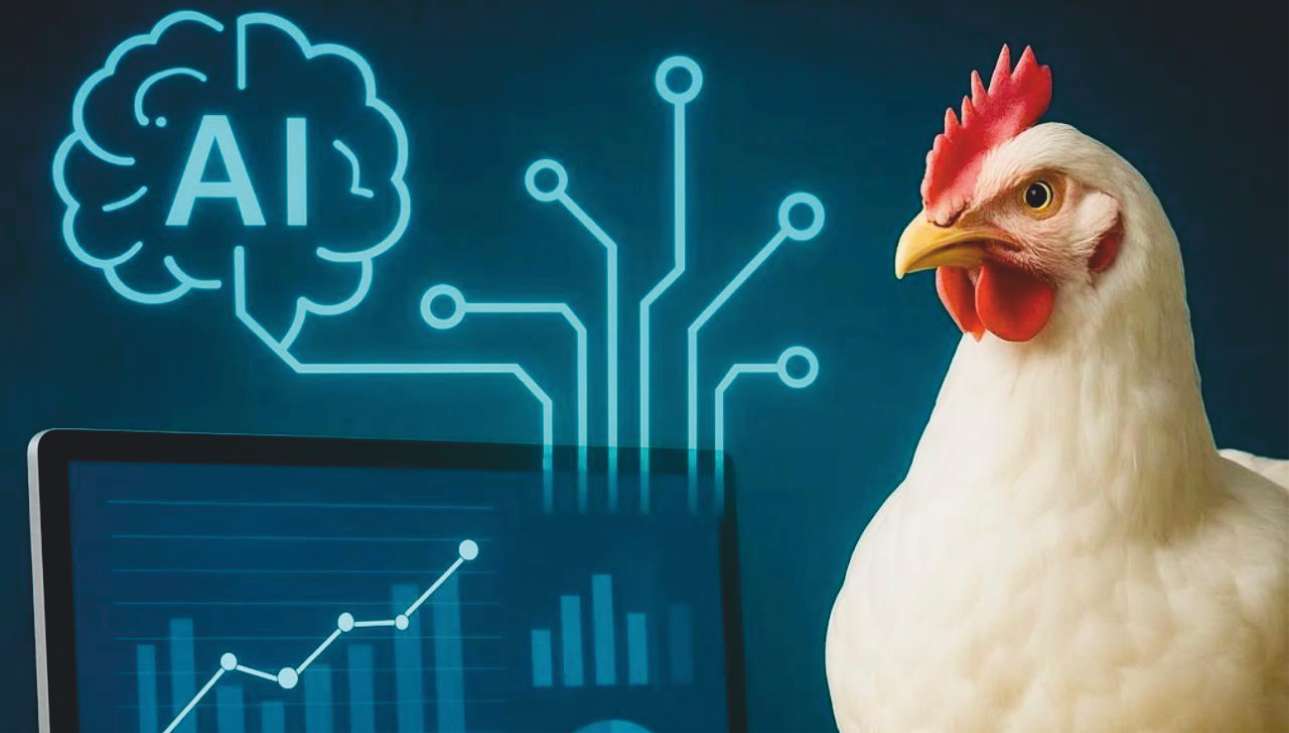
AI isn’t the future—it’s delivering measurable results today.”—
– Mr. Ali Murtaza Solangi, Founder and CEO, Poulta Inc.

Ms. Atifa Asghar, Senior Advisor for Sales and Marketing at Poulta Inc, emphasized the Indian opportunity: “India is not just another market—it’s the ultimate proving ground for agricultural technology. The Indian poultry needs exactly what Poulta Inc. offers: intelligence that turns data into impact. Our platform provides real-time visibility across the entire value chain, from breeder farms to processing facilities, enabling predictive decision-making that was impossible just five years ago.”
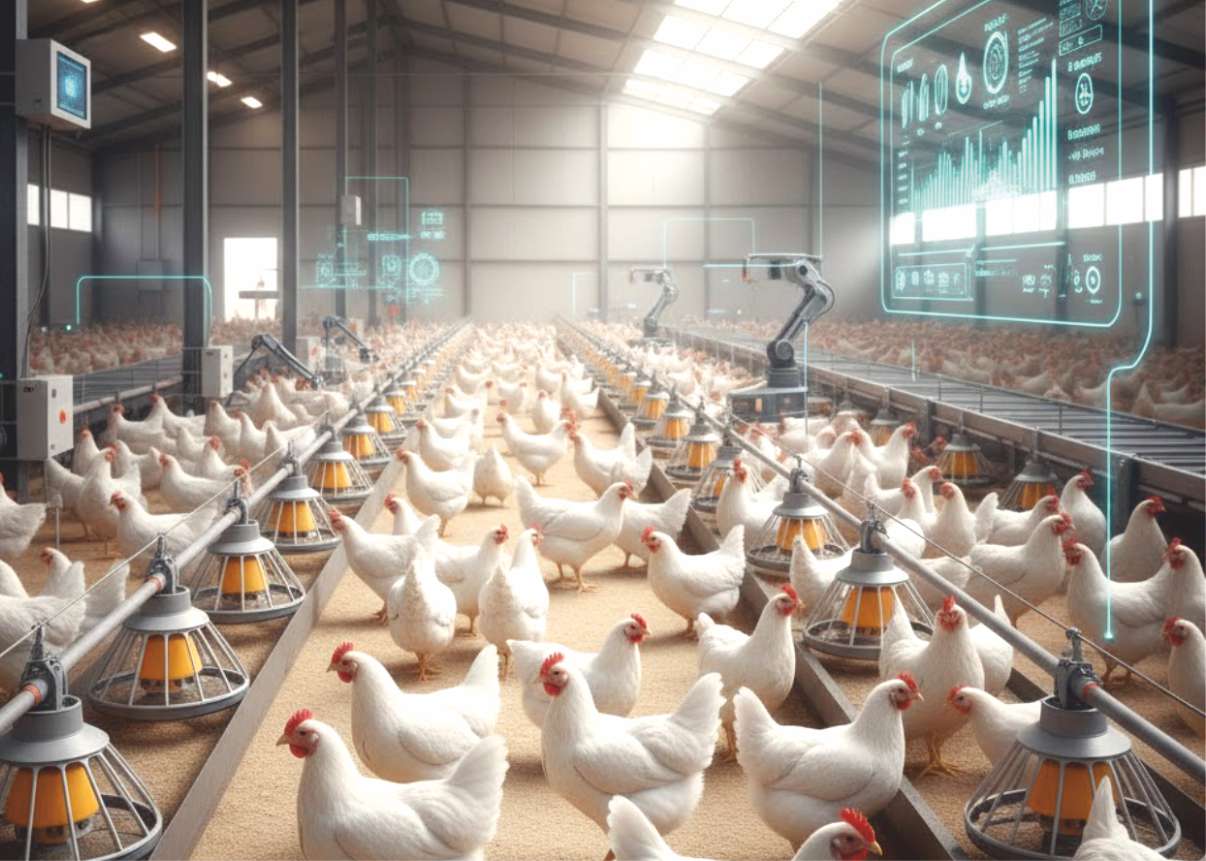
The Connected Ecosystem Advantage – According to company, Poulta’s solution operates as the “digital nervous system” for poultry operations, integrating IoT sensors, computer vision, predictive analytics, and blockchain traceability into a unified platform. The system monitors critical parameters— temperature, humidity, bird behavior, feed consumption and uses machine learning to predict biosecurity threats, optimize feeding schedules, and prevent disease outbreaks before they occur. For Indian producers facing increasing pressure to improve sustainability while maintaining profitability, Poulta’s platform delivers on multiple fronts: reducing antibiotic usage through early disease detection, minimizing resource waste through precision feeding, enhancing food safety through end-to-end traceability, and improving animal welfare through continuous monitoring.
Aligning with India’s Agricultural Transformation – India’s focus on digital agriculture, evidenced by initiatives like the National Digital Livestock Mission and increasing adoption of precision farming technologies, creates an ideal environment for Poulta’s expansion. The company’s approach aligns perfectly with India’s goals: food security, employment generation through technology-enabled agriculture, export competitiveness, and sustainable production practices.
The message is clear: the future of poultry farming is data-driven, predictive, and sustainable. Poulta Inc. has proven the model works at scale in one of the world’s most demanding environments. India, with its vast production capacity and appetite for innovation, represents the next chapter in this transformation, one where traditional farming wisdom meets cutting-edge intelligence to feed billions while building resilient, profitable, and environmentally responsible food systems. The question for Indian poultry stakeholders isn’t whether to adopt precision agriculture, it’s whether they can afford to delay while competitors gain the intelligence advantage.